How often to water beach vitex in California
In July on the north-central coast, established beach vitex in loam needs a deep watering about every 13 days: about 8.8 gallons each time for a plant 4 feet across, about 4.6 gallons a week. Beach vitex is a low, fast-spreading shrub from Pacific coastal dunes, with aromatic, rounded, blue-green leaves and spikes of purplish blue flowers. Its stems root as they run across the ground, and it also spreads by seed. It takes salt spray and sandy soil in stride. It can also invade coastal habitat, so plant it well away from dunes and wild land.
How often to water beach vitex, month by month
Type your city above and the days between waterings and the gallons appear here, worked out from your city's climate table. Or read the figures by climate zone further down.
How this is worked out: established roots fill the top 1.5 feet of soil, and you water again when that soil has dried halfway. Loam soil holds about 1.5 inches of water per foot. Water the whole area the plant covers, and skip a watering after a good soaking rain.
How to tell it needs water
- Sandy soil dry 3 to 4 inches down under a young beach vitex in summer means it is ready for a soak
- Soft shoot tips that wilt in afternoon heat and are still limp the next morning, over dry soil, point to thirst
- Leaves fading to a pale tan in fall and dropping in winter are its normal deciduous cycle, not a sign of drought
- Yellowing leaves over soil that stays soggy point to poor drainage, since it grows best in sand that drains fast
How to water it
- Plant beach vitex in full sun in sandy, fast-draining soil, well away from dunes and natural coastal areas
- Water a young plant over its root ball and the sand around it, then widen the wet area only as far as you want it to spread
- Soak slowly so water gets well below the fast-drying sand surface, then let the top few inches dry before the next soak
- Use drip or a slow hose at the root zone, and cut back runners that root outside the watered bed
- Clip off the fruit clusters before they ripen and drop, so seedlings do not start in moist soil nearby
Through the seasons
Water a new beach vitex through its first summer, until its roots and first runners are well set in the sand. After that it needs much less help. Flowers come mainly in late spring and early summer, and some plants bloom on and off through much of the year. Round, purplish black fruit follows in late summer and fall. Leaves pale in fall and may drop in winter. Winter rain covers the cool months on the north-central coast and the south coast. WUCOLS rates beach vitex moderate water on the north-central coast. It rates low water on the south coast. WUCOLS has not evaluated it for the Central Valley, South Inland, the high desert or the low desert.
In pots
A large container is one way to hold beach vitex in bounds, as long as trailing stems are trimmed before they reach bare soil and root. Use a sandy, fast-draining mix and set the pot in full sun. Check the mix 2 inches down every few days in summer and water when it is dry there. Soak until water runs from the drainage holes, then empty the saucer. Clip fruit before it falls. In winter the plant may stand bare, so it needs far less water until new leaves appear.
- A year
- no figure
- Reference
- Sacramento climate table
- Counts
- Plant need, before sprinkler losses
WUCOLS lists Beach Vitex as not evaluated for the Central Valley zone, so no monthly figure is computed here.
Monthly water need by climate zone
Beach Vitex: gallons per square foot per month, by WUCOLS climate zone
| Month | N. Coast | C. Valley | S. Coast | S. Inland | Hi Desert | Lo Desert |
|---|---|---|---|---|---|---|
| Jan | 0.37 | – | 0.31 | – | – | – |
| Feb | 0.53 | – | 0.32 | – | – | – |
| Mar | 0.87 | – | 0.46 | – | – | – |
| Apr | 1.18 | – | 0.56 | – | – | – |
| May | 1.46 | – | 0.64 | – | – | – |
| Jun | 1.61 | – | 0.69 | – | – | – |
| Jul | 1.61 | – | 0.79 | – | – | – |
| Aug | 1.49 | – | 0.74 | – | – | – |
| Sep | 1.24 | – | 0.6 | – | – | – |
| Oct | 0.87 | – | 0.46 | – | – | – |
| Nov | 0.47 | – | 0.33 | – | – | – |
| Dec | 0.31 | – | 0.26 | – | – | – |
| Year | 12 | – | 6.2 | – | – | – |
How this is worked out: the WUCOLS water rating for each zone times that zone’s climate for the month. A dash means WUCOLS does not rate the plant there. The figures are what the plant uses, before sprinkler losses.
Plants with the same water needs 16
Rated not evaluated in the Central Valley, like beach vitex. Plants that drink alike can share one valve and one schedule.
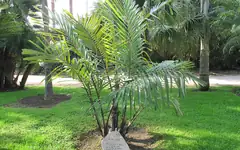 Formosa Sugar PalmArenga englerinot rated, Central Valleyno Central Valley rating
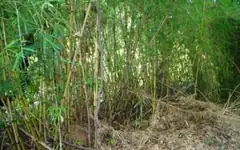 Chilean Feather BambooChusquea culeou (C. breviglumis)not rated, Central Valleyno Central Valley rating
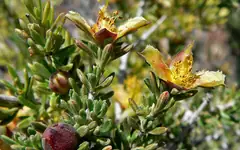 BlackbrushColeogyne ramosissimanot rated, Central Valleyno Central Valley rating
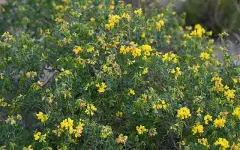 Glaucous Scorpion VetchCoronilla valentina glaucanot rated, Central Valleyno Central Valley rating
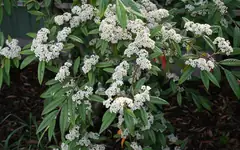 Willowleaf CotoneasterCotoneaster salicifoliusnot rated, Central Valleyno Central Valley rating
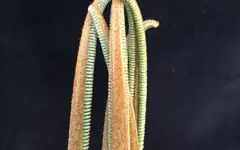 Madagascar SagoCycas thouarsii (SHADE)not rated, Central Valleyno Central Valley rating
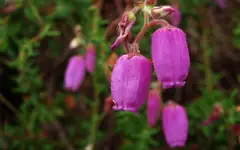 Irish HeathDaboecia cantabricanot rated, Central Valleyno Central Valley rating
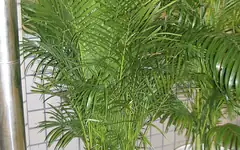 Butterfly PalmDypsis lutescens (Areca)not rated, Central Valleyno Central Valley rating
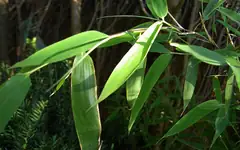 Umbrella BambooFargesia murielaenot rated, Central Valleyno Central Valley rating
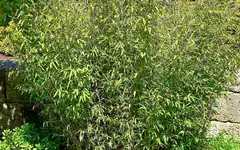 Blue Fountain BambooFargesia nitida (Sinarundinaria nitida) (BAMBOO)not rated, Central Valleyno Central Valley rating
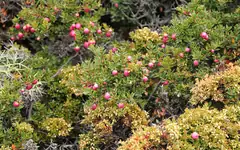 Prickly HeathGaultheria mucronata (Pernettya mucronata)not rated, Central Valleyno Central Valley rating
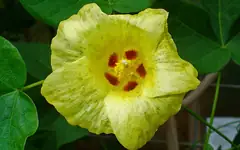 OtterbossieGossypium harknessiinot rated, Central Valleyno Central Valley rating
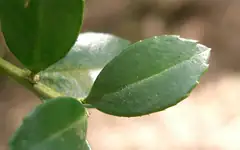 Box-leaved HollyIlex crenatanot rated, Central Valleyno Central Valley rating
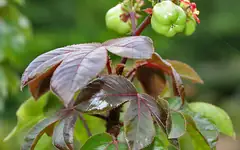 Bellyache BushJatropha gossypiifolianot rated, Central Valleyno Central Valley rating
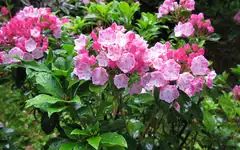 Mountain LaurelKalmia latifolianot rated, Central Valleyno Central Valley rating
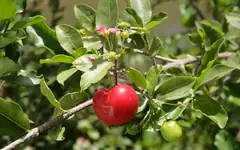 Barbados CherryMalpighia glabranot rated, Central Valleyno Central Valley rating
Turn this into minutes on your water days
Every city page has a calculator that takes beach vitex, your sprinkler type and the month, and gives the minutes per water day for that supplier's schedule. Or put it in a zone of the personal watering plan and get all twelve months printed.
Questions people ask
How much water does beach vitex need per day?
In July on the north-central coast, established beach vitex needs about 0.7 gallons a day for a plant 4 feet across and about 2.6 gallons a day for a plant 8 feet across. Give it in deep waterings spread days apart rather than a little every day, so the whole root zone gets wet.
Does watering for beach vitex change across California?
Yes. WUCOLS rates beach vitex separately for each of the six California climate zones: moderate water in the North-Central Coastal zone, not evaluated in the Central Valley zone, low water in the South Coastal zone, not evaluated in the South Inland zone, not evaluated in the High and Intermediate Desert zone, not evaluated in the Low Desert zone. The monthly table above shows how the same rating translates into different gallon amounts as reference evapotranspiration changes.
Is beach vitex invasive?
It can be. It spreads by rooting stems and by seed and can invade coastal habitats. On the East Coast, beach plantings spread onto natural beaches and crowded out native dune plants. Keep it well away from dunes, bluffs and wild land.
Does beach vitex lose its leaves?
Yes, it is deciduous. The blue-green leaves turn a pale, tannish color in fall and may drop in winter. Bare stems in winter are normal and do not call for extra water.
How do I keep beach vitex from spreading?
Cut runners back to the main plant and pull any that have rooted beyond the bed. Clip seed clusters with hand pruners, and let cuttings and seeds dry out fully before disposal. Water only the area you want covered.
Is beach vitex good for erosion control?
It was planted on Eastern beaches to slow erosion, with poor results. It grows from a main taproot rather than a mat of fine roots, so it did little to hold dunes. Meanwhile it spread into natural beach areas.
Can beach vitex handle salt and wind?
Yes. It is very tolerant of salt spray, wind and heat, and it grows in sand and poor soil. That toughness is also why it spreads so easily on the coast.
Do deer eat beach vitex?
Deer and other coastal plant eaters generally leave it alone. Butterflies visit its flowers. Since browsing will not keep it in check, plan on cutting back runners yourself.
More plant watering guides
Sources
- WUCOLS IV plant water use classification for Vitex rotundifolia, the University of California survey California agencies use for landscape plan reviewRead August 23, 2026 on wucols.ucdavis.edu
- Model Water Efficient Landscape Ordinance, adopted text and appendices, effective 2025-01-02 · monthly reference evapotranspiration per city, Appendix CRead August 23, 2026 on water.ca.gov/-/media/DWR-Website/Web-Pages/Programs/Water-Use-And-Efficiency/MWELO-Rulemaking/Final-MWELO-Text-and-Appendices_20250103.pdf
- UC Statewide IPM Program, irrigation scheduling using evapotranspirationRead September 30, 2026 on ipm.ucanr.edu/PMG/GARDEN/ENVIRON/evap.html
- Shaw and Pittenger, Landscape Irrigation System Evaluation and Management, UC Cooperative Extension, 2009Read September 30, 2026 on ucanr.edu/sites/default/files/2013-02/160836.pdf
- Pittenger, Water Management in Gardens and Landscapes, UC Riverside, 2017Read September 30, 2026 on ucanr.edu/sites/default/files/2017-03/258022.pdf