How often to water European larch in California
In July on the north-central coast, established European larch in loam needs a deep watering about every 13 days: about 55 gallons each time under a 10 foot canopy, about 29 gallons a week. European larch is an unusual conifer that drops its soft needles each fall after they turn gold, standing bare through winter as a deciduous tree. It wants soil that stays consistently moist and cool summers, which limits where it does well in California. Provide a moist, draining site rather than relying on extra irrigation to overcome an unsuitable climate.
How often to water European larch, month by month
Type your city above and the days between waterings and the gallons appear here, worked out from your city's climate table. Or read the figures by climate zone further down.
How this is worked out: established roots fill the top 1.5 feet of soil, and you water again when that soil has dried halfway. Loam soil holds about 1.5 inches of water per foot. Water the whole area under the branches, and skip a watering after a good soaking rain.
How to tell it needs water
- Soil dry several inches down around an established larch signals it needs a deep soak during the growing season
- Summer browning of larch needles calls for soil checks and an inspection for needle diseases or insect damage
- Sparse larch growth in spring warrants checking moisture and inspecting the branches rather than assuming last summer caused it
- Yellowing larch needles above persistently saturated soil warrant checking drainage before watering again
- Patchy larch foliage in a hot garden warrants reviewing the site as well as the irrigation
How to water it
- Water a young larch over its full root ball, keeping the soil evenly moist rather than letting it dry out fully
- Soak established trees deeply during warm, dry stretches rather than relying on light surface watering
- Use well-drained soil that still holds moisture, since this species does poorly in soil that dries out completely
- Mulch around the root zone to buffer soil temperature and slow moisture loss in summer heat
- Choose full sun or light shade in a cool garden, instead of using shade as a substitute for a suitable larch climate
Through the seasons
A newly planted European larch needs steady, even moisture through its first several summers while its roots establish in cool, retentive soil. Established trees follow an unusual pattern for a conifer, with needles turning gold and dropping each fall before new growth returns in spring. This species prefers cool summers and consistently moist ground, so inspect root-area moisture closely during dry weather. Winter rain can help carry the dormant season where this tree is rated for the climate. WUCOLS rates European larch moderate water on the north-central coast, which is the only zone it is rated for. WUCOLS marks it as not suited to the Central Valley, the south coast, South Inland, the high desert and the low desert.
In pots
European larch becomes a large tree, so plan a suitable permanent site when caring for a potted sapling. Check the mix a couple of inches down during California summer heat and keep it moist without persistent saturation. Water thoroughly until it runs from the drainage holes, then pour off anything left in the saucer. Choose a cool position with sun or light shade; a hot inland patio is a poor match. After the needles fall, continue checking the bare tree's mix through winter rather than letting it dry completely.
- A year
- no figure
- Reference
- Sacramento climate table
- Counts
- Plant need, before sprinkler losses
WUCOLS lists European Larch as not suited to this region for the Central Valley zone, so no monthly figure is computed here.
Monthly water need by climate zone
European Larch: gallons per square foot per month, by WUCOLS climate zone
| Month | N. Coast | C. Valley | S. Coast | S. Inland | Hi Desert | Lo Desert |
|---|---|---|---|---|---|---|
| Jan | 0.37 | – | – | – | – | – |
| Feb | 0.53 | – | – | – | – | – |
| Mar | 0.87 | – | – | – | – | – |
| Apr | 1.18 | – | – | – | – | – |
| May | 1.46 | – | – | – | – | – |
| Jun | 1.61 | – | – | – | – | – |
| Jul | 1.61 | – | – | – | – | – |
| Aug | 1.49 | – | – | – | – | – |
| Sep | 1.24 | – | – | – | – | – |
| Oct | 0.87 | – | – | – | – | – |
| Nov | 0.47 | – | – | – | – | – |
| Dec | 0.31 | – | – | – | – | – |
| Year | 12 | – | – | – | – | – |
How this is worked out: the WUCOLS water rating for each zone times that zone’s climate for the month. A dash means WUCOLS does not rate the plant there. The figures are what the plant uses, before sprinkler losses.
Plants with the same water needs 16
Rated not suited to this region in the Central Valley, like European larch. Plants that drink alike can share one valve and one schedule.
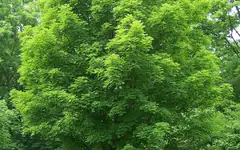 Sugar MapleAcer saccharumnot rated, Central Valleyno Central Valley rating
 Queensland KauriAgathis robustanot rated, Central Valleyno Central Valley rating
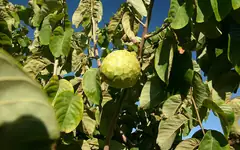 CherimoyaAnnona cherimolanot rated, Central Valleyno Central Valley rating
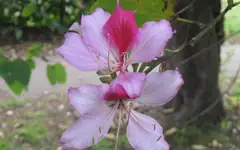 Purple Orchid TreeBauhinia variegata (purpurea)not rated, Central Valleyno Central Valley rating
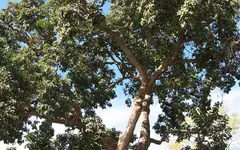 ToogBischofia javanicanot rated, Central Valleyno Central Valley rating
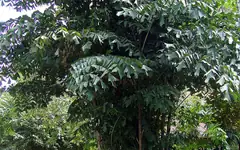 Clustered Fishtail PalmCaryota mitisnot rated, Central Valleyno Central Valley rating
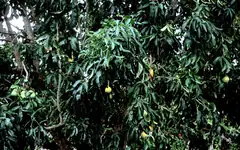 White SapoteCasimiroa edulisnot rated, Central Valleyno Central Valley rating
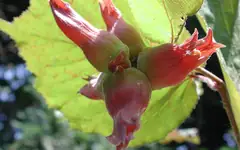 FilbertCorylus maximanot rated, Central Valleyno Central Valley rating
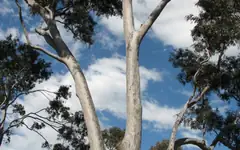 Spotted GumCorymbia maculata (Eucalyptus maculata)not rated, Central Valleyno Central Valley rating
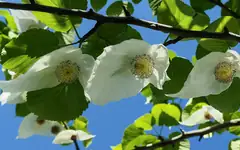 Dove TreeDavidia involucratanot rated, Central Valleyno Central Valley rating
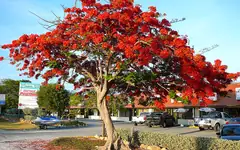 Royal PoincianaDelonix regianot rated, Central Valleyno Central Valley rating
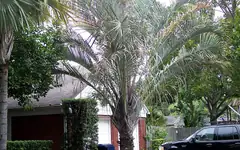 Triangle PalmDypsis decaryinot rated, Central Valleyno Central Valley rating
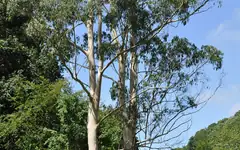 Mountain White GumEucalyptus dalrympleananot rated, Central Valleyno Central Valley rating
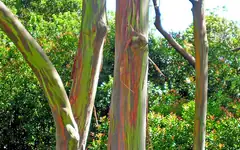 Rainbow EucalyptusEucalyptus degluptanot rated, Central Valleyno Central Valley rating
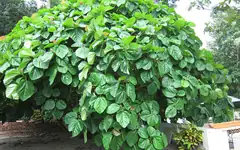 Roxburgh FigFicus auriculatanot rated, Central Valleyno Central Valley rating
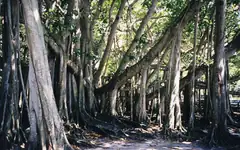 Indian BanyanFicus benghalensisnot rated, Central Valleyno Central Valley rating
Turn this into minutes on your water days
Every city page has a calculator that takes European larch, your sprinkler type and the month, and gives the minutes per water day for that supplier's schedule. Or put it in a zone of the personal watering plan and get all twelve months printed.
Questions people ask
How much water does European larch need per day?
In July on the north-central coast, established European larch needs about 4.1 gallons a day under a 10 foot canopy and about 16 gallons a day under a 20 foot canopy. Give it in deep waterings spread days apart rather than a little every day, so the whole root zone gets wet.
Does watering for European larch change across California?
Yes. WUCOLS rates European larch separately for each of the six California climate zones: moderate water in the North-Central Coastal zone, not suited to this region in the Central Valley zone, not suited to this region in the South Coastal zone, not suited to this region in the South Inland zone, not suited to this region in the High and Intermediate Desert zone, not suited to this region in the Low Desert zone. The monthly table above shows how the same rating translates into different gallon amounts as reference evapotranspiration changes.
Why does my larch drop all its needles every fall?
Unlike most conifers, European larch is deciduous, and its needles turn gold and fall each autumn before new growth returns in spring. This is a normal yearly cycle, not a sign of disease or thirst. Expect the tree to stand bare through winter.
Can European larch grow well in a hot inland California garden?
European larch performs best with cool summers and cold winters. The north-central coast is its only California region with a suitable WUCOLS rating. Shade and additional watering do not establish suitability for a hot inland garden.
Why are my larch's needles turning brown in summer instead of fall?
Browning during summer differs from the larch's normal autumn color change. Check the soil, but also inspect for needle cast, rust and needle-feeding insects. If moisture is adequate and damage continues, seek a diagnosis before increasing irrigation.
Does European larch need shelter from wind or heat?
Choose a cool site, with full sun or light shade and moist, draining soil. European larch performs poorly in hot, humid conditions. Shelter from afternoon sun does not by itself make a warm site suitable.
How is watering a larch different from watering a pine?
European larch prefers moist soil through its growing season and loses its needles for winter. Pine species vary in water needs, so an evergreen habit alone is not a watering guide. Base this larch's irrigation on its own soil conditions and regional rating.
More plant watering guides
Sources
- WUCOLS IV plant water use classification for Larix decidua, the University of California survey California agencies use for landscape plan reviewRead August 23, 2026 on wucols.ucdavis.edu
- Model Water Efficient Landscape Ordinance, adopted text and appendices, effective 2025-01-02 · monthly reference evapotranspiration per city, Appendix CRead August 23, 2026 on water.ca.gov/-/media/DWR-Website/Web-Pages/Programs/Water-Use-And-Efficiency/MWELO-Rulemaking/Final-MWELO-Text-and-Appendices_20250103.pdf
- UC Statewide IPM Program, irrigation scheduling using evapotranspirationRead September 30, 2026 on ipm.ucanr.edu/PMG/GARDEN/ENVIRON/evap.html
- Shaw and Pittenger, Landscape Irrigation System Evaluation and Management, UC Cooperative Extension, 2009Read September 30, 2026 on ucanr.edu/sites/default/files/2013-02/160836.pdf
- Pittenger, Water Management in Gardens and Landscapes, UC Riverside, 2017Read September 30, 2026 on ucanr.edu/sites/default/files/2017-03/258022.pdf