How often to water fig trees in California
In July in the Central Valley, established fig trees in loam need a deep watering about every 20 days: about 55 gallons each time under a 10 foot canopy, about 19 gallons a week. The common fig is a Mediterranean fruit tree built for California summers. Established trees are genuinely drought tolerant, especially in the Central Valley, but steady moisture while the fruit is sizing is what separates a heavy crop from small figs that drop early. Deep, infrequent soakings across the whole root zone suit it far better than light, frequent sprinkles.
How often to water fig trees, month by month
Type your city above and the days between waterings and the gallons appear here, worked out from your city's climate table. Or read the figures by climate zone further down.
How this is worked out: established roots fill the top 1.5 feet of soil, and you water again when that soil has dried halfway. Loam soil holds about 1.5 inches of water per foot. Water the whole area under the branches, and skip a watering after a good soaking rain.
How to tell it needs water
- Dry soil a few inches down at the canopy edge, where the feeder roots run, means an established tree is due for a deep soak
- Leaves that droop at midday and stay limp into the evening signal real thirst, not just afternoon heat
- Fruit that shrivels and falls before ripening, or leaves that yellow and drop in midsummer, point to drought stress
- Yellow leaves on a tree sitting in wet, sour-smelling soil mean too much water, not too little
- Fruit that splits or tastes watery near harvest usually follows heavy watering late in ripening, another overdoing-it signal
How to water it
- Water in a wide ring that reaches the edge of the canopy, since fig roots spread far sideways rather than straight down
- Use drip emitters or a slow hose trickle in a soil basin, and run the water until it soaks deep into the root zone
- Keep water off the trunk, leaves and fruit; wet foliage invites fig rust and wet fruit can sour or split
- Spread wood-chip mulch under the canopy to hold soil moisture, keeping it a hand's width clear of the trunk
- Ease off as the main crop colors up so the figs ripen sweet instead of splitting
Through the seasons
Figs are deciduous, so their needs swing hard across the California year. A bare, dormant tree in winter needs little beyond rainfall in most of the state, then demand climbs as leaves push in spring and peaks through the warm months while the fruit sizes and ripens, before tapering off again as leaves yellow and drop in fall. Young trees are the exception to the tough reputation: keep the root zone consistently moist through the first summer or two while roots spread, because establishment is when drought does lasting damage. Once mature, a fig coasts on modest irrigation, and in the Central Valley, where it rates as a low water user, an established tree gets by on remarkably little.
In pots
Figs grow well in large containers, but a potted fig lives on a much shorter leash than one in the ground. The mix dries fast in summer heat, and a root-bound tree can go from fine to wilted in a single hot day, so check the top few inches of mix often and water until it runs from the drainage holes whenever they feel dry. A container fig that dries out completely will shed leaves and abort its fruit, while one kept constantly soggy will yellow and sulk, so let the surface dry between soakings and make sure the pot actually drains.
- A year
- 6.84 gal per sq ft
- Reference
- Sacramento climate table
- Counts
- Plant need, before sprinkler losses
Monthly water need by climate zone
Fig Trees: gallons per square foot per month, by WUCOLS climate zone
| Month | N. Coast | C. Valley | S. Coast | S. Inland | Hi Desert | Lo Desert |
|---|---|---|---|---|---|---|
| Jan | 0.37 | 0.16 | 0.78 | 0.78 | 0.74 | 0.78 |
| Feb | 0.53 | 0.26 | 0.81 | 0.87 | 0.93 | 0.93 |
| Mar | 0.87 | 0.43 | 1.15 | 1.3 | 1.46 | 1.52 |
| Apr | 1.18 | 0.61 | 1.4 | 1.61 | 1.89 | 1.95 |
| May | 1.46 | 0.83 | 1.61 | 1.95 | 2.39 | 2.45 |
| Jun | 1.61 | 0.99 | 1.74 | 2.29 | 2.85 | 2.79 |
| Jul | 1.61 | 1.07 | 1.98 | 2.51 | 3.04 | 2.85 |
| Aug | 1.49 | 0.95 | 1.86 | 2.33 | 2.79 | 2.6 |
| Sep | 1.24 | 0.72 | 1.49 | 1.86 | 2.14 | 2.08 |
| Oct | 0.87 | 0.47 | 1.15 | 1.33 | 1.46 | 1.49 |
| Nov | 0.47 | 0.22 | 0.84 | 0.9 | 0.93 | 0.96 |
| Dec | 0.31 | 0.14 | 0.65 | 0.68 | 0.65 | 0.68 |
| Year | 12 | 6.84 | 15.5 | 18.41 | 21.27 | 21.08 |
How this is worked out: the WUCOLS water rating for each zone times that zone’s climate for the month. A dash means WUCOLS does not rate the plant there. The figures are what the plant uses, before sprinkler losses.
Plants with the same water needs 16
Rated low water in the Central Valley, like fig trees. Plants that drink alike can share one valve and one schedule.
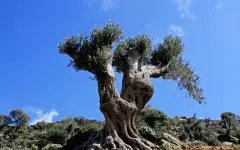 Olive TreesOlea europaea ssp. & cvs.low water, Central Valley1.07 gal/sq ft in July
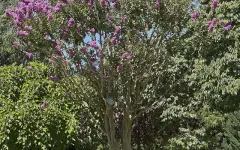 Crape MyrtleLagerstroemia spp., hybrids & cvs.low water, Central Valley1.07 gal/sq ft in July
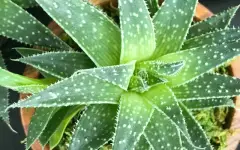 AloeAloe spp. & cvs.low water, Central Valley1.07 gal/sq ft in July
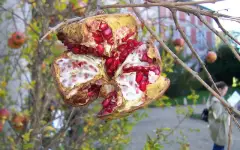 Pomegranate TreesPunica granatumlow water, Central Valley1.07 gal/sq ft in July
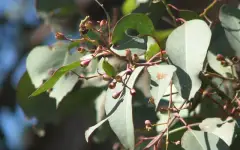 EucalyptusEucalyptus polyanthemoslow water, Central Valley1.07 gal/sq ft in July
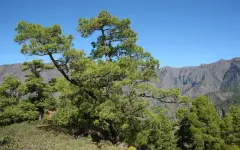 Pine TreesPinus canariensislow water, Central Valley1.07 gal/sq ft in July
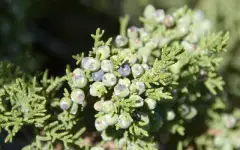 JunipersJuniperus spp. & cvs.low water, Central Valley1.07 gal/sq ft in July
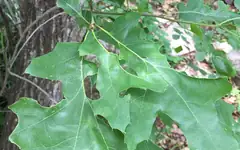 Texas Red OakQuercus buckleyilow water, Central Valley1.07 gal/sq ft in July
 Portuguese OakQuercus faginealow water, Central Valley1.07 gal/sq ft in July
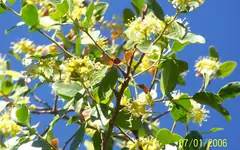 Soapbark TreeQuillaja saponarialow water, Central Valley1.07 gal/sq ft in July
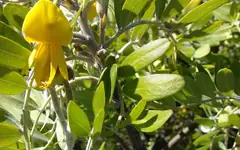 Necklace TreeSophora affinislow water, Central Valley1.07 gal/sq ft in July
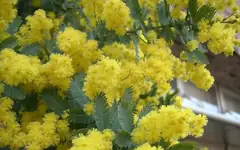 Bailey AcaciaAcacia baileyanalow water, Central Valley1.07 gal/sq ft in July
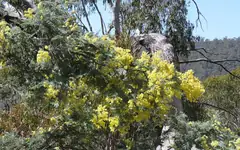 Silver WattleAcacia dealbatalow water, Central Valley1.07 gal/sq ft in July
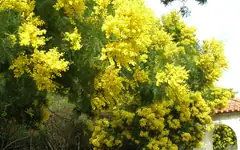 Green WattleAcacia decurrenslow water, Central Valley1.07 gal/sq ft in July
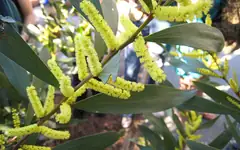 Sydney Golden WattleAcacia longifolialow water, Central Valley1.07 gal/sq ft in July
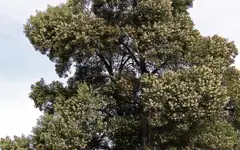 Blackwood AcaciaAcacia melanoxylonlow water, Central Valley1.07 gal/sq ft in July
Turn this into minutes on your water days
Every city page has a calculator that takes fig trees, your sprinkler type and the month, and gives the minutes per water day for that supplier's schedule. Or put it in a zone of the personal watering plan and get all twelve months printed.
Questions people ask
How often should I water fig trees in summer?
In July, established fig trees in loam need a deep watering about every 20 days in the Central Valley, about every 11 days on the south coast and about every 9 days in the South Inland zone. Sandy soil holds less water, so waterings come closer together. Clay stretches them. Check the soil before each watering and skip one after a soaking rain.
How much water do fig trees need per day?
In July in the Central Valley, established fig trees need about 2.7 gallons a day under a 10 foot canopy and about 11 gallons a day under a 20 foot canopy. Give it in deep waterings spread days apart rather than a little every day, so the whole root zone gets wet.
Does watering for fig trees change across California?
Yes. WUCOLS rates fig trees separately for each of the six California climate zones: moderate water in the North-Central Coastal zone, low water in the Central Valley zone, moderate water in the South Coastal zone, moderate water in the South Inland zone, moderate water in the High and Intermediate Desert zone, moderate water in the Low Desert zone. The monthly table above shows how the same rating translates into different gallon amounts as reference evapotranspiration changes.
Can you overwater a fig tree?
Yes. Figs tolerate many soils but not standing water, and a tree kept constantly soggy develops yellow leaves, poor growth and eventually root rot. Overwatering also shows up in the crop: lush leafy growth with little fruit, or figs that split and taste bland. Let the soil dry a few inches down before you water again, and fix drainage before blaming anything else.
How should I water a newly planted fig tree?
Build a soil basin around the root ball and soak it deeply on a regular rhythm through the first summer, keeping the root zone moist but never swampy while the roots reach into surrounding soil. Widen the basin as the tree grows. From the following seasons onward, stretch the interval and water deeper but less often to push roots outward.
Is drip irrigation good for fig trees?
Drip works very well because it soaks the root zone slowly and keeps water off the leaves and fruit. The key is coverage: fig roots spread wide, so add emitters and move them outward toward the canopy edge as the tree grows instead of leaving a single emitter at the trunk. Run the system long enough for water to reach deep, then let the soil dry before the next cycle.
Should I water my fig tree in winter?
Usually not. A dormant, leafless fig uses very little water, and winter rain covers it across most of California. Water only during a long dry, warm spell, and keep an eye on container trees, since pots dry out even when the tree has no leaves.
Why is my fig tree dropping fruit before it ripens?
Swings between bone dry and soaked are the most common cause, because water stress while the figs are sizing makes the tree shed its crop. Keep soil moisture steady through the fruiting months and mulch under the canopy to even out the dry spells. Young trees also drop much of their first crops naturally, so give a new tree a couple of seasons before you worry.
Why are my fig leaves turning yellow or brown?
Read the soil first. Uniform yellowing with wet soil points to overwatering or poor drainage, while crisp brown edges and drooping in a dry root zone point to drought and heat scorch. Rusty spots on the underside of leaves suggest fig rust, which spreads on wet foliage, so keep sprinklers off the canopy. And yellowing in fall is just the tree going dormant, not a watering problem.
More plant watering guides
Sources
- WUCOLS IV plant water use classification for Ficus carica ssp. & cvs., the University of California survey California agencies use for landscape plan reviewRead August 23, 2026 on wucols.ucdavis.edu
- Model Water Efficient Landscape Ordinance, adopted text and appendices, effective 2025-01-02 · monthly reference evapotranspiration per city, Appendix CRead August 23, 2026 on water.ca.gov/-/media/DWR-Website/Web-Pages/Programs/Water-Use-And-Efficiency/MWELO-Rulemaking/Final-MWELO-Text-and-Appendices_20250103.pdf
- UC Statewide IPM Program, irrigation scheduling using evapotranspirationRead September 30, 2026 on ipm.ucanr.edu/PMG/GARDEN/ENVIRON/evap.html
- Shaw and Pittenger, Landscape Irrigation System Evaluation and Management, UC Cooperative Extension, 2009Read September 30, 2026 on ucanr.edu/sites/default/files/2013-02/160836.pdf
- Pittenger, Water Management in Gardens and Landscapes, UC Riverside, 2017Read September 30, 2026 on ucanr.edu/sites/default/files/2017-03/258022.pdf