How often to water leopard plant in California
In July in the Central Valley, established leopard plant in loam needs a deep watering about every 3 days: about 1.5 gallons each time for a plant 2 feet across, about 3.0 gallons a week. Leopard plant is a clumping evergreen perennial from the stream banks, moist meadows and coasts of Japan and eastern Asia. Its broad, rounded leaves stand on long stalks, and many cultivars are spotted with cream or yellow, or crested. Yellow daisy flowers rise in late summer and fall. It is a thirsty plant that wilts fast when the soil dries.
How often to water leopard plant, month by month
Type your city above and the days between waterings and the gallons appear here, worked out from your city's climate table. Or read the figures by climate zone further down.
How this is worked out: established roots fill the top 1 foot of soil, and you water again when that soil has dried halfway. Loam soil holds about 1.5 inches of water per foot. Water the whole area the plant covers, and skip a watering after a good soaking rain.
How to tell it needs water
- Big leaves that flop at midday over dry soil are an early call for water, often before other shade plants show stress
- Leaves still limp in the cool of the morning mean the root zone is dry and needs a deep soak right away
- Bleached or scorched patches on leaves in direct sun point to too much light, which also dries the clump faster
- Yellowing leaves while the soil is already wet are not thirst, so check drainage before adding more water
- Ragged holes in the leaves with slime trails nearby are slug and snail feeding, not a watering fault
How to water it
- Water the whole clump at soil level, wetting the ground out past the tips of the broad leaves
- Soak deeply so the soil is moist 8 to 10 inches down, and water again before the top inch dries out
- Plant in part or full shade, out of afternoon sun, in rich soil worked with plenty of compost
- Use drip or water in the morning, so leaves and soil surface dry by evening when slugs and snails feed
- Spread a few inches of bark or leaf mulch around the clump to slow drying between soaks
Through the seasons
Keep a new leopard plant evenly moist through its first year, never letting the root ball dry. Established clumps still need steady water, and wilting leaves give the first warning. It stays evergreen through mild California winters. Near 20 F the leaves die back completely, but the plant survives down to about 0 F and regrows. Flowers come from late summer into fall. Winter rain covers the cool months on the coast and in the Central Valley, and irrigation matters from spring through fall. WUCOLS rates it high water on the north-central coast, in the Central Valley, on the south coast and in South Inland. WUCOLS has not evaluated it for the high desert or the low desert.
In pots
Leopard plant is often grown in pots, and its broad leaves pull water from the mix quickly. Use a rich mix that holds moisture, in a pot with drainage holes. Check the mix daily during summer heat and every few days in mild weather. Water whenever the top inch feels dry, until water runs from the holes, then empty the saucer. Keep the pot in shade, since sun scorches the leaves and dries the mix. Before a hard frost, move it under an eave or against the house.
- A year
- 27.38 gal per sq ft
- Reference
- Sacramento climate table
- Counts
- Plant need, before sprinkler losses
Monthly water need by climate zone
Leopard Plant: gallons per square foot per month, by WUCOLS climate zone
| Month | N. Coast | C. Valley | S. Coast | S. Inland | Hi Desert | Lo Desert |
|---|---|---|---|---|---|---|
| Jan | 0.6 | 0.64 | 1.24 | 1.24 | – | – |
| Feb | 0.84 | 1.04 | 1.29 | 1.39 | – | – |
| Mar | 1.39 | 1.74 | 1.84 | 2.08 | – | – |
| Apr | 1.88 | 2.43 | 2.23 | 2.58 | – | – |
| May | 2.33 | 3.32 | 2.58 | 3.12 | – | – |
| Jun | 2.58 | 3.97 | 2.78 | 3.67 | – | – |
| Jul | 2.58 | 4.27 | 3.17 | 4.02 | – | – |
| Aug | 2.38 | 3.82 | 2.98 | 3.72 | – | – |
| Sep | 1.98 | 2.88 | 2.38 | 2.98 | – | – |
| Oct | 1.39 | 1.88 | 1.84 | 2.13 | – | – |
| Nov | 0.74 | 0.89 | 1.34 | 1.44 | – | – |
| Dec | 0.5 | 0.55 | 1.04 | 1.09 | – | – |
| Year | 19.2 | 27.38 | 24.8 | 29.46 | – | – |
How this is worked out: the WUCOLS water rating for each zone times that zone’s climate for the month. A dash means WUCOLS does not rate the plant there. The figures are what the plant uses, before sprinkler losses.
Plants with the same water needs 16
Rated high water in the Central Valley, like leopard plant. Plants that drink alike can share one valve and one schedule.
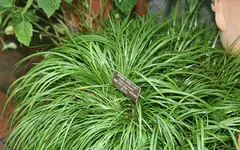 Japanese Sweet FlagAcorus gramineushigh water, Central Valley4.27 gal/sq ft in July
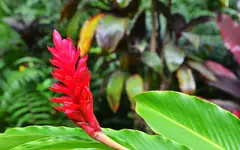 Red GingerAlpinia purpuratahigh water, Central Valley4.27 gal/sq ft in July
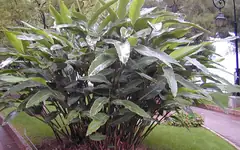 Shell GingerAlpinia zerumbethigh water, Central Valley4.27 gal/sq ft in July
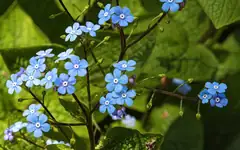 Siberian BuglossBrunnera macrophyllahigh water, Central Valley4.27 gal/sq ft in July
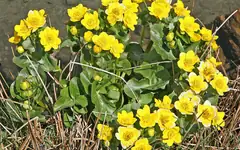 Marsh MarigoldCaltha palustrishigh water, Central Valley4.27 gal/sq ft in July
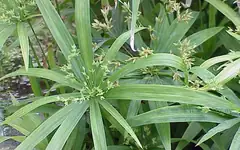 Umbrella Sedge and PapyrusCyperus spp. (CA native and non-native species)high water, Central Valley4.27 gal/sq ft in July
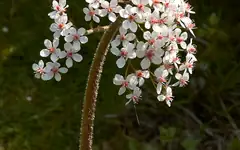 Umbrella PlantDarmera peltata (Peltiphyllum)high water, Central Valley4.27 gal/sq ft in July
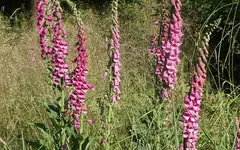 FoxgloveDigitalis purpurea cvshigh water, Central Valley4.27 gal/sq ft in July
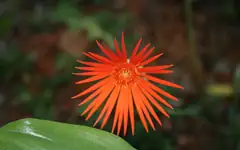 Transvaal DaisyGerbera jamesonii & hybridshigh water, Central Valley4.27 gal/sq ft in July
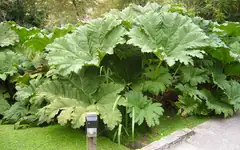 Giant GunneraGunnera manicatahigh water, Central Valley4.27 gal/sq ft in July
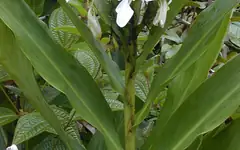 White Ginger LilyHedychium coronariumhigh water, Central Valley4.27 gal/sq ft in July
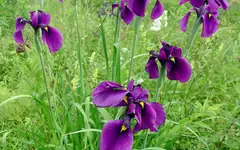 Japanese IrisIris ensatahigh water, Central Valley4.27 gal/sq ft in July
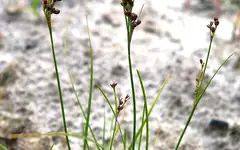 RushJuncus aquatic spp. (native and non-native spp.)high water, Central Valley4.27 gal/sq ft in July
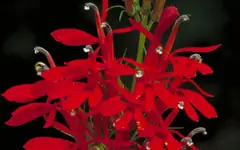 Cardinal FlowerLobelia cardinalis hybrids and cvs. (CA native and non-native spp.)high water, Central Valley4.27 gal/sq ft in July
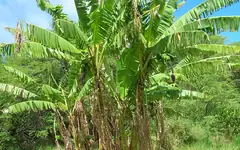 BananaMusa spp. (shade in low desert)high water, Central Valley4.27 gal/sq ft in July
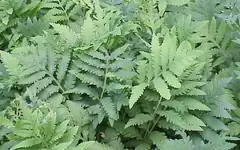 Sensitive FernOnoclea sensibilishigh water, Central Valley4.27 gal/sq ft in July
Similar plants that need less water 16
Rated lower than leopard plant in the Central Valley. Worth a look for a new bed or a lawn replacement.
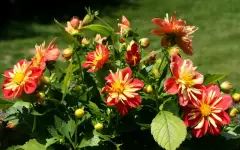 DahliasDahlia spp.moderate water, Central Valley2.67 gal/sq ft in July
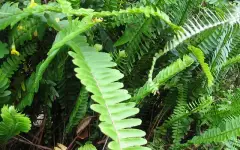 FernsNephrolepis cordifolia (SHADE IN DESERT)moderate water, Central Valley2.67 gal/sq ft in July
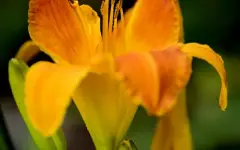 DayliliesHemerocallis spp. & cvs.moderate water, Central Valley2.67 gal/sq ft in July
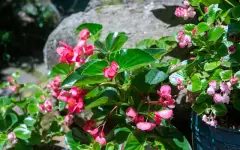 BegoniasBegonia & ssp. & cvs. (shade in the desert)moderate water, Central Valley2.67 gal/sq ft in July
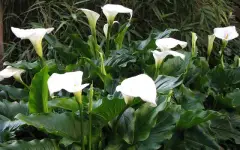 Calla LiliesZantedeschia aethiopica SHADE IN DESERTmoderate water, Central Valley2.67 gal/sq ft in July
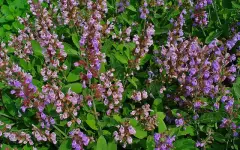 SageSalvia officinalis and cvs.moderate water, Central Valley2.67 gal/sq ft in July
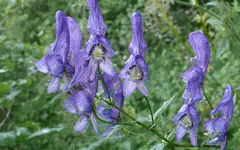 Bicolor MonkshoodAconitum cammarummoderate water, Central Valley2.67 gal/sq ft in July
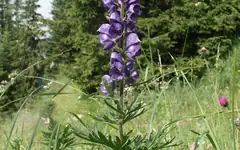 Garden MonkshoodAconitum napellusmoderate water, Central Valley2.67 gal/sq ft in July
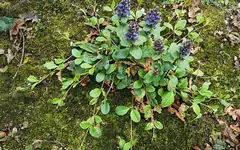 Carpet BugleAjuga reptans (shade)moderate water, Central Valley2.67 gal/sq ft in July
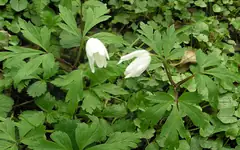 Snowdrop WindflowerAnemone sylvestrismoderate water, Central Valley2.67 gal/sq ft in July
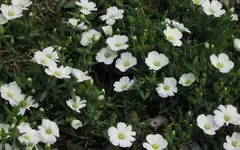 Mountain SandwortArenaria montanamoderate water, Central Valley2.67 gal/sq ft in July
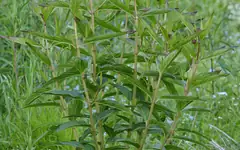 Swamp MilkweedAsclepias incarnatamoderate water, Central Valley2.67 gal/sq ft in July
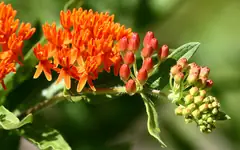 Orange MilkweedAsclepias tuberosamoderate water, Central Valley2.67 gal/sq ft in July
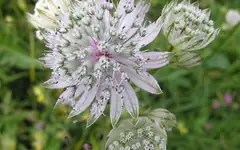 Greater MasterwortAstrantia majormoderate water, Central Valley2.67 gal/sq ft in July
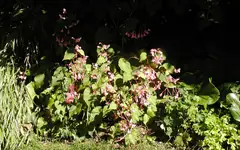 Hardy BegoniaBegonia grandismoderate water, Central Valley2.67 gal/sq ft in July
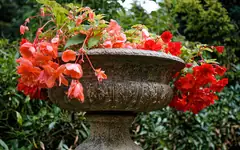 Wax BegoniaBegonia semperflorensmoderate water, Central Valley2.67 gal/sq ft in July
Turn this into minutes on your water days
Every city page has a calculator that takes leopard plant, your sprinkler type and the month, and gives the minutes per water day for that supplier's schedule. Or put it in a zone of the personal watering plan and get all twelve months printed.
Questions people ask
How often should I water leopard plant in summer?
In July, established leopard plant in loam needs a deep watering about every 3 days in the Central Valley, about every 5 days on the south coast and about every 4 days in the South Inland zone. Sandy soil holds less water, so waterings come closer together. Clay stretches them. Check the soil before each watering and skip one after a soaking rain.
How much water does leopard plant need per day?
In July in the Central Valley, established leopard plant needs about 0.4 gallons a day for a plant 2 feet across and about 1.7 gallons a day for a plant 4 feet across. Give it in deep waterings spread days apart rather than a little every day, so the whole root zone gets wet.
Does watering for leopard plant change across California?
Yes. WUCOLS rates leopard plant separately for each of the six California climate zones: high water in the North-Central Coastal zone, high water in the Central Valley zone, high water in the South Coastal zone, high water in the South Inland zone, not evaluated in the High and Intermediate Desert zone, not evaluated in the Low Desert zone. The monthly table above shows how the same rating translates into different gallon amounts as reference evapotranspiration changes.
Why is my leopard plant wilting?
It is often the first plant in a shade garden to wilt when the soil dries. Check the soil an inch or two down, and soak the clump if it is dry. If it wilts in sun while the soil is moist, move it to more shade.
Can leopard plant take full sun?
It grows best in part shade, and its leaves burn easily in strong sun. More sun is possible only with ample water. In hot inland gardens, give it shade, especially in the afternoon.
Is leopard plant a ligularia?
It was long sold as Ligularia tussilaginea, and some labels still use that name. The accepted name is now Farfugium japonicum. Watering is the same under either label.
What eats holes in leopard plant leaves?
Slugs and snails are the usual cause. They feed at night and hide by day, so check the plant after dark and handpick them. Drip irrigation or morning watering leaves less moisture for them overnight.
Will leopard plant survive frost?
It is hardier than its lush leaves suggest. A freeze near 20 F kills the foliage to the ground, yet the plant lives through cold down to about 0 F and leafs out again. Keep a frost-hit clump lightly moist until fresh leaves come up.
Can leopard plant grow beside a pond?
Yes. In the wild it grows along stream banks and in moist meadows, and it suits pond margins and boggy spots. A pond edge makes its high water need easy to meet.
More plant watering guides
Sources
- WUCOLS IV plant water use classification for Farfugium japonicum cvs. (Ligularia tussilaginea cvs.), the University of California survey California agencies use for landscape plan reviewRead August 23, 2026 on wucols.ucdavis.edu
- Model Water Efficient Landscape Ordinance, adopted text and appendices, effective 2025-01-02 · monthly reference evapotranspiration per city, Appendix CRead August 23, 2026 on water.ca.gov/-/media/DWR-Website/Web-Pages/Programs/Water-Use-And-Efficiency/MWELO-Rulemaking/Final-MWELO-Text-and-Appendices_20250103.pdf
- UC Statewide IPM Program, irrigation scheduling using evapotranspirationRead September 30, 2026 on ipm.ucanr.edu/PMG/GARDEN/ENVIRON/evap.html
- Shaw and Pittenger, Landscape Irrigation System Evaluation and Management, UC Cooperative Extension, 2009Read September 30, 2026 on ucanr.edu/sites/default/files/2013-02/160836.pdf
- Pittenger, Water Management in Gardens and Landscapes, UC Riverside, 2017Read September 30, 2026 on ucanr.edu/sites/default/files/2017-03/258022.pdf