How often to water gardenias in California
In July in the Central Valley, established gardenias in loam need a deep watering about every 8 days: about 8.8 gallons each time for a plant 4 feet across, about 7.6 gallons a week. Gardenias are moderate water users that want steady, even moisture in rich, well-drained, acidic soil. Their fine, shallow roots dry out quickly and resent both drought and soggy spells, and the plant answers watering mistakes fast, usually by dropping flower buds. Near the humid South Coast they get by on less, but in most of California they need regular irrigation through the warm months.
How often to water gardenias, month by month
Type your city above and the days between waterings and the gallons appear here, worked out from your city's climate table. Or read the figures by climate zone further down.
How this is worked out: established roots fill the top 1.5 feet of soil, and you water again when that soil has dried halfway. Loam soil holds about 1.5 inches of water per foot. Water the whole area the plant covers, and skip a watering after a good soaking rain.
How to tell it needs water
- Soil dry 1 to 2 inches down over the shallow root zone means it is time to water
- Dull, slightly drooping leaves and flower buds that fall before opening usually signal drought stress
- Yellowing leaves across the whole plant while the soil stays wet point to overwatering or poor drainage, not thirst
- A sour smell at the base and dark, mushy roots mean waterlogged soil, so hold off and fix drainage first
- Glossy deep green foliage and buds that hold on and open mean your watering rhythm is right
How to water it
- Water at the base with drip emitters or a slow hose trickle, and keep spray off open blooms since water spots the white petals
- Soak slowly until the whole shallow root zone is wet, then water again when the top 1 to 2 inches dry out; aim for even moisture rather than swings between soggy and bone dry
- Mulch under the canopy with pine needles or acidic compost to hold moisture and keep the surface roots cool, but keep mulch off the trunk
- Do not dig or cultivate under the plant; the feeder roots sit right at the surface and damage there shows up as wilting and bud drop
- In hot inland gardens, give afternoon shade and check the soil more often during heat waves, since shallow roots dry fast in reflected heat
Through the seasons
A new gardenia needs close attention through its first summer and into the following year, with the root ball kept evenly moist while the shallow roots spread into surrounding soil. Mature plants hit peak demand from late spring through early fall, when the shrub is growing and blooming and California delivers no rain; this is when missed waterings translate directly into dropped buds. As days shorten, growth slows and needs fall sharply, and across coastal and valley gardens winter rain usually covers the cool months. The plant stays evergreen, though, so during a long dry winter spell check the soil and give an occasional deep drink rather than letting it go bone dry.
In pots
Gardenias take well to containers, and a pot lets you control the acidic, fast-draining mix they need. The trade-off is that pots dry out much faster than garden soil, so check the top inch of mix every few days in warm weather and water until it runs from the drainage holes. Never let the pot sit in a saucer of standing water, because gardenia roots rot quickly in stagnant wetness. If your tap water is hard, as it is across much of California, flush the pot deeply now and then to wash out salts, and expect to correct yellowing with an acidifying fertilizer or chelated iron.
- A year
- 17.11 gal per sq ft
- Reference
- Sacramento climate table
- Counts
- Plant need, before sprinkler losses
Monthly water need by climate zone
Gardenias: gallons per square foot per month, by WUCOLS climate zone
| Month | N. Coast | C. Valley | S. Coast | S. Inland | Hi Desert | Lo Desert |
|---|---|---|---|---|---|---|
| Jan | 0.37 | 0.4 | 0.31 | 0.78 | – | 0.78 |
| Feb | 0.53 | 0.65 | 0.32 | 0.87 | – | 0.93 |
| Mar | 0.87 | 1.09 | 0.46 | 1.3 | – | 1.52 |
| Apr | 1.18 | 1.52 | 0.56 | 1.61 | – | 1.95 |
| May | 1.46 | 2.08 | 0.64 | 1.95 | – | 2.45 |
| Jun | 1.61 | 2.48 | 0.69 | 2.29 | – | 2.79 |
| Jul | 1.61 | 2.67 | 0.79 | 2.51 | – | 2.85 |
| Aug | 1.49 | 2.39 | 0.74 | 2.33 | – | 2.6 |
| Sep | 1.24 | 1.8 | 0.6 | 1.86 | – | 2.08 |
| Oct | 0.87 | 1.18 | 0.46 | 1.33 | – | 1.49 |
| Nov | 0.47 | 0.56 | 0.33 | 0.9 | – | 0.96 |
| Dec | 0.31 | 0.34 | 0.26 | 0.68 | – | 0.68 |
| Year | 12 | 17.11 | 6.2 | 18.41 | – | 21.08 |
How this is worked out: the WUCOLS water rating for each zone times that zone’s climate for the month. A dash means WUCOLS does not rate the plant there. The figures are what the plant uses, before sprinkler losses.
Plants with the same water needs 16
Rated moderate water in the Central Valley, like gardenias. Plants that drink alike can share one valve and one schedule.
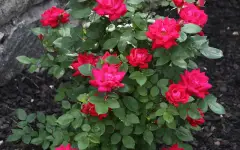 RosesRosa hybrids..bushmoderate water, Central Valley2.67 gal/sq ft in July
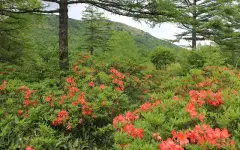 AzaleasRhododendron spp. (CA native and non-native spp.)moderate water, Central Valley2.67 gal/sq ft in July
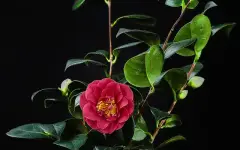 CamelliasCamellia japonica (SHADE IN DESERT)moderate water, Central Valley2.67 gal/sq ft in July
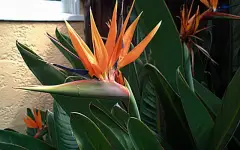 Bird of ParadiseStrelitzia reginae (shade in desert)moderate water, Central Valley2.67 gal/sq ft in July
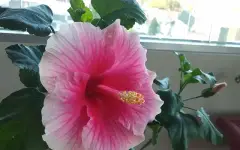 HibiscusHibiscus rosa-sinensismoderate water, Central Valley2.67 gal/sq ft in July
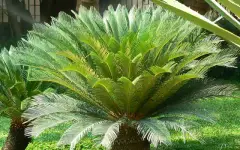 Sago PalmCycas revolutamoderate water, Central Valley2.67 gal/sq ft in July
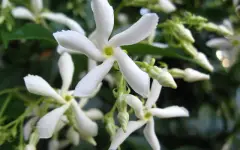 Star JasmineTrachelospermum jasminoides and cvs.moderate water, Central Valley2.67 gal/sq ft in July
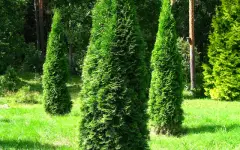 ArborvitaeThuja occidentalis ssp. & cvs.moderate water, Central Valley2.67 gal/sq ft in July
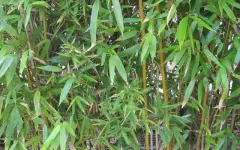 BambooBambusa spp.moderate water, Central Valley2.67 gal/sq ft in July
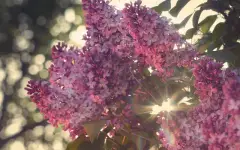 LilacsSyringa hybrids (including Descanso hybrids)moderate water, Central Valley2.67 gal/sq ft in July
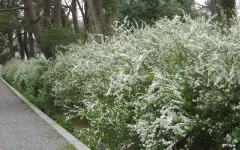 SpireaSpiraea spp. (CA native and non native spp.)moderate water, Central Valley2.67 gal/sq ft in July
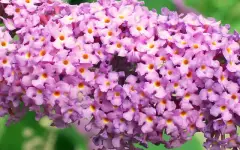 Butterfly BushBuddleja davidii and hybridsmoderate water, Central Valley2.67 gal/sq ft in July
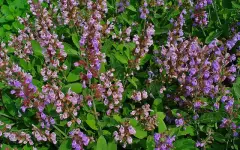 SageSalvia officinalis and cvs.moderate water, Central Valley2.67 gal/sq ft in July
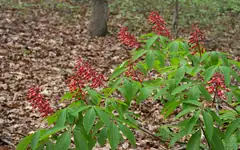 Red BuckeyeAesculus paviamoderate water, Central Valley2.67 gal/sq ft in July
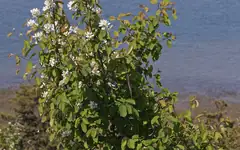 Western ServiceberryAmelanchier alnifoliamoderate water, Central Valley2.67 gal/sq ft in July
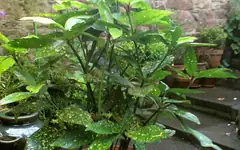 Japanese AucubaAucuba japonica (SHADE)moderate water, Central Valley2.67 gal/sq ft in July
Similar plants that need less water 16
Rated lower than gardenias in the Central Valley. Worth a look for a new bed or a lawn replacement.
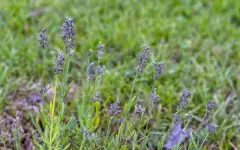 LavenderLavandula spp. & cvs.low water, Central Valley1.07 gal/sq ft in July
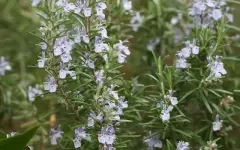 RosemaryRosmarinus officinalislow water, Central Valley1.07 gal/sq ft in July
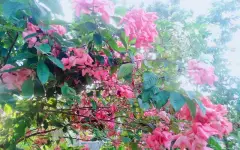 BougainvilleaBougainvillea & spp. & cvs.low water, Central Valley1.07 gal/sq ft in July
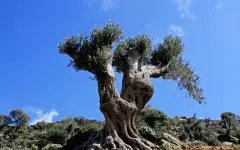 Olive TreesOlea europaea ssp. & cvs.low water, Central Valley1.07 gal/sq ft in July
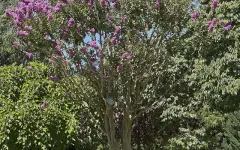 Crape MyrtleLagerstroemia spp., hybrids & cvs.low water, Central Valley1.07 gal/sq ft in July
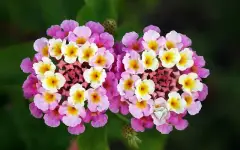 LantanaLantana camara ssp. & cvs.low water, Central Valley1.07 gal/sq ft in July
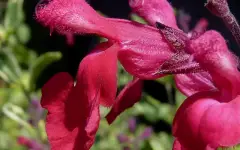 SalviaSalvia greggii ssp., cvs. & hybridslow water, Central Valley1.07 gal/sq ft in July
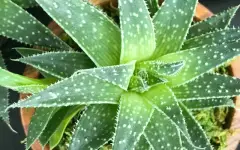 AloeAloe spp. & cvs.low water, Central Valley1.07 gal/sq ft in July
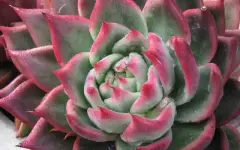 SucculentsEcheveria spp. & cvs.low water, Central Valley1.07 gal/sq ft in July
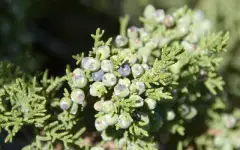 JunipersJuniperus spp. & cvs.low water, Central Valley1.07 gal/sq ft in July
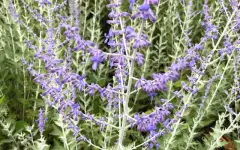 Russian SagePerovskia spp. & cvs.low water, Central Valley1.07 gal/sq ft in July
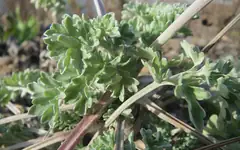 SagebrushArtemisia spp. (shrubby)low water, Central Valley1.07 gal/sq ft in July
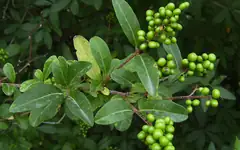 Wild PrivetLigustrum vulgarelow water, Central Valley1.07 gal/sq ft in July
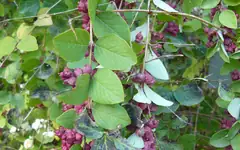 CoralberrySymphoricarpos orbiculatus (SHADE)low water, Central Valley1.07 gal/sq ft in July
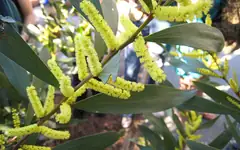 Sydney Golden WattleAcacia longifolialow water, Central Valley1.07 gal/sq ft in July
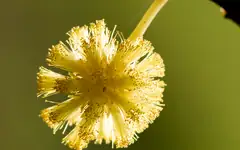 Blue Leaf WattleAcacia salignalow water, Central Valley1.07 gal/sq ft in July
Turn this into minutes on your water days
Every city page has a calculator that takes gardenias, your sprinkler type and the month, and gives the minutes per water day for that supplier's schedule. Or put it in a zone of the personal watering plan and get all twelve months printed.
Questions people ask
How often should I water gardenias in summer?
In July, established gardenias in loam need a deep watering about every 8 days in the Central Valley, about every 27 days on the south coast and about every 9 days in the South Inland zone. Sandy soil holds less water, so waterings come closer together. Clay stretches them. Check the soil before each watering and skip one after a soaking rain.
How much water do gardenias need per day?
In July in the Central Valley, established gardenias need about 1.1 gallons a day for a plant 4 feet across and about 4.3 gallons a day for a plant 8 feet across. Give it in deep waterings spread days apart rather than a little every day, so the whole root zone gets wet.
Does watering for gardenias change across California?
Yes. WUCOLS rates gardenias separately for each of the six California climate zones: moderate water in the North-Central Coastal zone, moderate water in the Central Valley zone, low water in the South Coastal zone, moderate water in the South Inland zone, not suited to this region in the High and Intermediate Desert zone, moderate water in the Low Desert zone. The monthly table above shows how the same rating translates into different gallon amounts as reference evapotranspiration changes.
Why is my gardenia dropping flower buds?
Bud drop is the classic gardenia complaint, and uneven soil moisture is the most common trigger. A root zone that swings between dry and soggy, a sudden heat wave, or moving a container plant can all make buds fall before they open. Keep the soil evenly moist under a layer of mulch and the buds are far more likely to hold.
Why are my gardenia's leaves turning yellow?
Look at the pattern first. Leaves that yellow between green veins point to iron chlorosis, which is common in California because our soil and tap water tend toward alkaline; an acidifying fertilizer or chelated iron fixes it. Whole leaves yellowing while the soil stays wet point to overwatering or poor drainage instead, and a few old inner leaves yellowing and dropping in spring is normal.
Can you overwater a gardenia?
Yes. Gardenias like moist soil but not standing water, and constantly saturated ground suffocates their shallow roots and invites root rot. If leaves yellow while the soil never dries out, water less often and improve drainage before doing anything else. A wilted gardenia in wet soil is drowning, not thirsty.
How should I water a newly planted gardenia?
Keep the original root ball evenly moist through the first summer, checking it separately from the surrounding bed because it dries out faster than the native soil around it. Water slowly at the base so moisture soaks in rather than running off. Once the plant has rooted out and pushes strong new growth, settle into deep soakings whenever the top inch or two of soil dries.
Is drip irrigation good for gardenias?
Drip suits gardenias well because it delivers slow, even moisture without wetting the blooms. Since the feeder roots spread wide and shallow, use several emitters spaced around the plant rather than a single point at the trunk. Run the system long enough to wet the full root zone, and add a run time in summer heat rather than relying on one setting all year.
Should I water gardenias in winter in California?
Mostly let the rain do it. In coastal and valley gardens, winter storms usually keep the soil moist enough for a resting gardenia, and cold, wet soil plus extra irrigation is a recipe for root rot. The plant is evergreen though, so during a dry stretch of several rainless weeks, check the soil and give one deep drink if it has dried an inch or two down.
More plant watering guides
Sources
- WUCOLS IV plant water use classification for Gardenia spp. & cvs., the University of California survey California agencies use for landscape plan reviewRead August 23, 2026 on wucols.ucdavis.edu
- Model Water Efficient Landscape Ordinance, adopted text and appendices, effective 2025-01-02 · monthly reference evapotranspiration per city, Appendix CRead August 23, 2026 on water.ca.gov/-/media/DWR-Website/Web-Pages/Programs/Water-Use-And-Efficiency/MWELO-Rulemaking/Final-MWELO-Text-and-Appendices_20250103.pdf
- UC Statewide IPM Program, irrigation scheduling using evapotranspirationRead September 30, 2026 on ipm.ucanr.edu/PMG/GARDEN/ENVIRON/evap.html
- Shaw and Pittenger, Landscape Irrigation System Evaluation and Management, UC Cooperative Extension, 2009Read September 30, 2026 on ucanr.edu/sites/default/files/2013-02/160836.pdf
- Pittenger, Water Management in Gardens and Landscapes, UC Riverside, 2017Read September 30, 2026 on ucanr.edu/sites/default/files/2017-03/258022.pdf