How often to water rosemary in California
In July in the Central Valley, established rosemary in loam needs a deep watering about every 20 days: about 8.8 gallons each time for a plant 4 feet across, about 3.0 gallons a week. Rosemary is a tough Mediterranean shrub that earns its reputation for drought tolerance. Once established, it wants deep, occasional soakings and sharp drainage, and a mature plant near the coast gets by on very little added water. Soggy soil kills far more rosemary in California gardens than drought ever does.
How often to water rosemary, month by month
Type your city above and the days between waterings and the gallons appear here, worked out from your city's climate table. Or read the figures by climate zone further down.
How this is worked out: established roots fill the top 1.5 feet of soil, and you water again when that soil has dried halfway. Loam soil holds about 1.5 inches of water per foot. Water the whole area the plant covers, and skip a watering after a good soaking rain.
How to tell it needs water
- Soil dry 2 to 3 inches down at the root zone means an established plant is ready for a deep drink
- Needles that turn dull gray-green and curl slightly inward signal thirst and perk up after a soak
- Drooping new growth tips in the cool of the morning, before any heat arrives, is a real thirst signal
- Yellowing needles, browning that starts at the base of branches or a sour soil smell mean too much water, not too little
- Whole branches dying back on a plant sitting in damp soil point to root rot from overwatering
How to water it
- Water at the base with a drip emitter or a slow hose trickle and keep spray off the foliage
- Soak slowly until the whole root zone is wet, then leave the plant alone until the soil dries out again
- Mulch with gravel or decomposed granite instead of bark, and keep any mulch pulled back from the stems
- In clay soil, plant on a mound or gentle slope so water drains away from the crown, and stretch the time between soakings
Through the seasons
A new rosemary needs steady moisture through its first summer while roots work out into the native soil. After that the plant flips: winter rain carries it through the cool months across most of California, and irrigation matters mainly from late spring into fall. Near the coast a mature shrub often needs little beyond rainfall. In the deserts rosemary rates moderate rather than low, so keep a regular rhythm going through the long hot season there. The shrub stays evergreen and even blooms in winter, so the one cool-season moment worth a drink is a long rainless stretch with drying winds.
In pots
Rosemary in a pot behaves nothing like rosemary in the ground. The mix dries out fast in warm weather, so check it often and water thoroughly when the top few inches feel dry, until water runs from the drainage holes. Then let it dry again: a saucer of standing water or a mix that never dries out will rot the roots of even this tough a plant. Unglazed terra cotta breathes and suits rosemary better than plastic, and a gritty, fast-draining mix beats rich potting soil.
- A year
- 6.84 gal per sq ft
- Reference
- Sacramento climate table
- Counts
- Plant need, before sprinkler losses
Monthly water need by climate zone
Rosemary: gallons per square foot per month, by WUCOLS climate zone
| Month | N. Coast | C. Valley | S. Coast | S. Inland | Hi Desert | Lo Desert |
|---|---|---|---|---|---|---|
| Jan | 0.15 | 0.16 | 0.08 | 0.31 | 0.74 | 0.78 |
| Feb | 0.21 | 0.26 | 0.08 | 0.35 | 0.93 | 0.93 |
| Mar | 0.35 | 0.43 | 0.11 | 0.52 | 1.46 | 1.52 |
| Apr | 0.47 | 0.61 | 0.14 | 0.64 | 1.89 | 1.95 |
| May | 0.58 | 0.83 | 0.16 | 0.78 | 2.39 | 2.45 |
| Jun | 0.64 | 0.99 | 0.17 | 0.92 | 2.85 | 2.79 |
| Jul | 0.64 | 1.07 | 0.2 | 1 | 3.04 | 2.85 |
| Aug | 0.6 | 0.95 | 0.19 | 0.93 | 2.79 | 2.6 |
| Sep | 0.5 | 0.72 | 0.15 | 0.74 | 2.14 | 2.08 |
| Oct | 0.35 | 0.47 | 0.11 | 0.53 | 1.46 | 1.49 |
| Nov | 0.19 | 0.22 | 0.08 | 0.36 | 0.93 | 0.96 |
| Dec | 0.12 | 0.14 | 0.07 | 0.27 | 0.65 | 0.68 |
| Year | 4.8 | 6.84 | 1.55 | 7.37 | 21.27 | 21.08 |
How this is worked out: the WUCOLS water rating for each zone times that zone’s climate for the month. A dash means WUCOLS does not rate the plant there. The figures are what the plant uses, before sprinkler losses.
Plants with the same water needs 16
Rated low water in the Central Valley, like rosemary. Plants that drink alike can share one valve and one schedule.
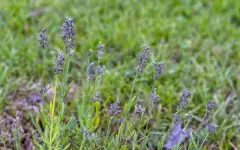 LavenderLavandula spp. & cvs.low water, Central Valley1.07 gal/sq ft in July
 BougainvilleaBougainvillea & spp. & cvs.low water, Central Valley1.07 gal/sq ft in July
 Olive TreesOlea europaea ssp. & cvs.low water, Central Valley1.07 gal/sq ft in July
 Crape MyrtleLagerstroemia spp., hybrids & cvs.low water, Central Valley1.07 gal/sq ft in July
 LantanaLantana camara ssp. & cvs.low water, Central Valley1.07 gal/sq ft in July
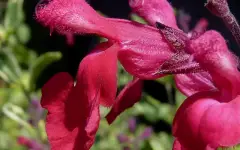 SalviaSalvia greggii ssp., cvs. & hybridslow water, Central Valley1.07 gal/sq ft in July
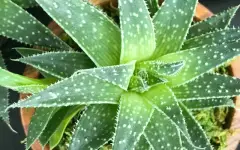 AloeAloe spp. & cvs.low water, Central Valley1.07 gal/sq ft in July
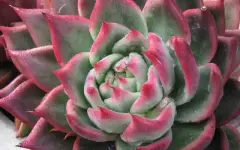 SucculentsEcheveria spp. & cvs.low water, Central Valley1.07 gal/sq ft in July
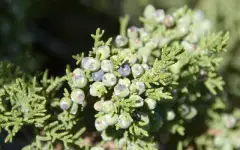 JunipersJuniperus spp. & cvs.low water, Central Valley1.07 gal/sq ft in July
 Russian SagePerovskia spp. & cvs.low water, Central Valley1.07 gal/sq ft in July
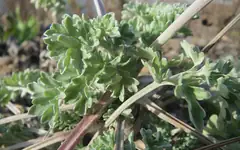 SagebrushArtemisia spp. (shrubby)low water, Central Valley1.07 gal/sq ft in July
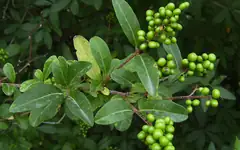 Wild PrivetLigustrum vulgarelow water, Central Valley1.07 gal/sq ft in July
 CoralberrySymphoricarpos orbiculatus (SHADE)low water, Central Valley1.07 gal/sq ft in July
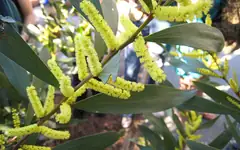 Sydney Golden WattleAcacia longifolialow water, Central Valley1.07 gal/sq ft in July
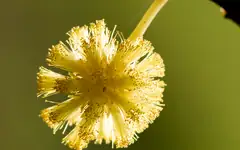 Blue Leaf WattleAcacia salignalow water, Central Valley1.07 gal/sq ft in July
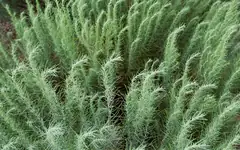 Sand SagebrushArtemisia filifolialow water, Central Valley1.07 gal/sq ft in July
Turn this into minutes on your water days
Every city page has a calculator that takes rosemary, your sprinkler type and the month, and gives the minutes per water day for that supplier's schedule. Or put it in a zone of the personal watering plan and get all twelve months printed.
Questions people ask
How often should I water rosemary in summer?
In July, established rosemary in loam needs a deep watering about every 20 days in the Central Valley, about once a month or less on the south coast and about every 22 days in the South Inland zone. Sandy soil holds less water, so waterings come closer together. Clay stretches them. Check the soil before each watering and skip one after a soaking rain.
How much water does rosemary need per day?
In July in the Central Valley, established rosemary needs about 0.4 gallons a day for a plant 4 feet across and about 1.7 gallons a day for a plant 8 feet across. Give it in deep waterings spread days apart rather than a little every day, so the whole root zone gets wet.
Does watering for rosemary change across California?
Yes. WUCOLS rates rosemary separately for each of the six California climate zones: low water in the North-Central Coastal zone, low water in the Central Valley zone, very low water in the South Coastal zone, low water in the South Inland zone, moderate water in the High and Intermediate Desert zone, moderate water in the Low Desert zone. The monthly table above shows how the same rating translates into different gallon amounts as reference evapotranspiration changes.
Can you overwater rosemary?
Easily, and it is the usual way rosemary dies in California gardens. Wet soil starves the roots of air and invites root rot: needles yellow, branches brown from the base and die back one at a time, and the plant fails even though the soil feels moist. When in doubt, skip the watering and check the soil again in a few days.
How often should I water newly planted rosemary?
Keep the root ball lightly moist through the first summer while roots grow into the surrounding soil, checking whenever the surface dries. A young plant has a small root system and dries out faster than its tough looks suggest. From the second year on, switch to deep soakings with a full dry-out in between.
Is drip irrigation a good fit for rosemary?
Yes, drip suits it well. One or two emitters at the base wet the root zone slowly and keep the foliage dry, which helps prevent fungal trouble. Just do not run it on the same schedule as thirstier plants nearby: give rosemary its own valve, or cap its emitters once the plant is established and the rains return.
Do I need to water rosemary in winter in California?
In the ground, usually not. Winter rain covers the cool season across most of the state, and rosemary handles cool, dry air with ease. Winter is actually bloom time for rosemary here, so a healthy plant will be flowering, not resting. Water only during a long rainless spell, and keep checking pots since they dry faster than garden soil.
Why are my rosemary needles turning yellow or brown?
Yellow needles usually mean too much water or soil that never dries, especially on lower and inner growth. Browning that spreads from the base of a branch in damp soil is root rot, while crispy tips on a bone-dry plant mean it finally got too thirsty. Feel the soil before reaching for the hose: a thirsty rosemary looks dull and gray first.
Does watering less make rosemary taste stronger?
Within reason, yes. Rosemary grown lean and on the dry side concentrates the oils that give it flavor and fragrance, while lush, heavily watered growth comes out soft and mild. Let the soil dry between soakings, go easy on fertilizer, and harvest sprigs from firm, mature growth for the best flavor.
More plant watering guides
Sources
- WUCOLS IV plant water use classification for Rosmarinus officinalis, the University of California survey California agencies use for landscape plan reviewRead August 23, 2026 on wucols.ucdavis.edu
- Model Water Efficient Landscape Ordinance, adopted text and appendices, effective 2025-01-02 · monthly reference evapotranspiration per city, Appendix CRead August 23, 2026 on water.ca.gov/-/media/DWR-Website/Web-Pages/Programs/Water-Use-And-Efficiency/MWELO-Rulemaking/Final-MWELO-Text-and-Appendices_20250103.pdf
- UC Statewide IPM Program, irrigation scheduling using evapotranspirationRead September 30, 2026 on ipm.ucanr.edu/PMG/GARDEN/ENVIRON/evap.html
- Shaw and Pittenger, Landscape Irrigation System Evaluation and Management, UC Cooperative Extension, 2009Read September 30, 2026 on ucanr.edu/sites/default/files/2013-02/160836.pdf
- Pittenger, Water Management in Gardens and Landscapes, UC Riverside, 2017Read September 30, 2026 on ucanr.edu/sites/default/files/2017-03/258022.pdf