How often to water hydrangea in California
In July in the Central Valley, established hydrangea in loam needs a deep watering about every 5 days: about 8.8 gallons each time for a plant 4 feet across, about 12 gallons a week. Hydrangea is one of the thirstier shrubs in a California garden. Its big soft leaves and shallow, fibrous roots demand steady moisture in well-drained soil, and it never becomes drought tolerant, even after years in the ground. The goal is evenly moist soil that never swings between bone dry and soggy.
How often to water hydrangea, month by month
Type your city above and the days between waterings and the gallons appear here, worked out from your city's climate table. Or read the figures by climate zone further down.
How this is worked out: established roots fill the top 1.5 feet of soil, and you water again when that soil has dried halfway. Loam soil holds about 1.5 inches of water per foot. Water the whole area the plant covers, and skip a watering after a good soaking rain.
How to tell it needs water
- Soil dry 1 to 2 inches down at the root zone means this shallow-rooted shrub is ready for water
- Leaves that droop in the morning, before the day heats up, signal real thirst
- Drooping in afternoon heat that recovers by evening is normal for the big leaves and not a watering cue
- Dull, matte foliage and crisping brown flower edges mean the plant is running dry
- Yellowing leaves that drop, a wilted plant sitting in wet soil, or a sour smell in the bed point to overwatering and poor drainage, not thirst
How to water it
- Water at the base with drip lines or a slow hose, keeping spray off the blooms and foliage to limit leaf spot and mildew
- Wet the whole root zone, which is shallow and wide, so spread emitters around the dripline instead of soaking one spot at the trunk
- Keep the soil evenly moist and water again when the top inch or two dries, rather than letting the bed dry out fully between soakings
- Spread a thick layer of bark or compost mulch to shade the shallow roots and slow evaporation
- In hot inland gardens, pair watering with afternoon shade, since no amount of irrigation saves a hydrangea baking in full western sun
Through the seasons
Hydrangea is deciduous, so its year in California has a clear rhythm. In winter the bare, dormant plant needs almost nothing, and rain usually covers in-ground shrubs along the coast and in the valleys. Demand climbs as leaves unfold in spring, peaks while the plant carries a full canopy and blooms from late spring through early fall, then tapers as foliage drops. New plantings need close attention through the first summer or two while the shallow roots knit into the bed, and the nursery root ball can dry out even when the surrounding soil feels moist. Mature plants shrug off a single missed watering better, but unlike true low-water shrubs they never graduate to dry-summer neglect, especially in hot interior gardens.
In pots
A potted hydrangea is the thirstiest version of an already thirsty plant. Big leaves pull moisture out of a small volume of mix fast, so in summer heat check the pot often and water whenever the top inch feels dry, until water runs from the drainage holes. A container that dries out completely will show crisped leaf edges and browned blooms within a day or two. Do not let the pot stand in a saucer of water either, because constantly soggy mix rots the roots. A glazed or plastic pot holds moisture longer than bare terracotta and makes summer care easier.
- A year
- 27.38 gal per sq ft
- Reference
- Sacramento climate table
- Counts
- Plant need, before sprinkler losses
Monthly water need by climate zone
Hydrangea: gallons per square foot per month, by WUCOLS climate zone
| Month | N. Coast | C. Valley | S. Coast | S. Inland | Hi Desert | Lo Desert |
|---|---|---|---|---|---|---|
| Jan | 0.37 | 0.64 | 0.78 | 1.24 | – | – |
| Feb | 0.53 | 1.04 | 0.81 | 1.39 | – | – |
| Mar | 0.87 | 1.74 | 1.15 | 2.08 | – | – |
| Apr | 1.18 | 2.43 | 1.4 | 2.58 | – | – |
| May | 1.46 | 3.32 | 1.61 | 3.12 | – | – |
| Jun | 1.61 | 3.97 | 1.74 | 3.67 | – | – |
| Jul | 1.61 | 4.27 | 1.98 | 4.02 | – | – |
| Aug | 1.49 | 3.82 | 1.86 | 3.72 | – | – |
| Sep | 1.24 | 2.88 | 1.49 | 2.98 | – | – |
| Oct | 0.87 | 1.88 | 1.15 | 2.13 | – | – |
| Nov | 0.47 | 0.89 | 0.84 | 1.44 | – | – |
| Dec | 0.31 | 0.55 | 0.65 | 1.09 | – | – |
| Year | 12 | 27.38 | 15.5 | 29.46 | – | – |
How this is worked out: the WUCOLS water rating for each zone times that zone’s climate for the month. A dash means WUCOLS does not rate the plant there. The figures are what the plant uses, before sprinkler losses.
Plants with the same water needs 16
Rated high water in the Central Valley, like hydrangea. Plants that drink alike can share one valve and one schedule.
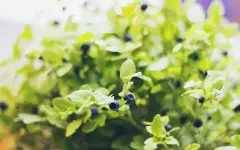 BlueberriesVaccinium hybrids and cvs (CA native and non- native spp.)high water, Central Valley4.27 gal/sq ft in July
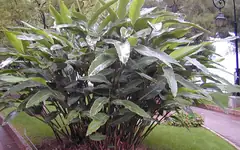 Shell GingerAlpinia zerumbethigh water, Central Valley4.27 gal/sq ft in July
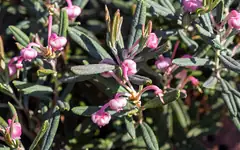 Bog RosemaryAndromeda polifoliahigh water, Central Valley4.27 gal/sq ft in July
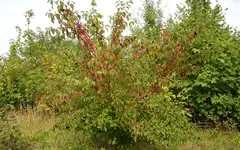 Blood Twig DogwoodCornus sanguineahigh water, Central Valley4.27 gal/sq ft in July
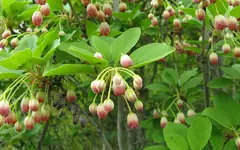 Red-veined EnkianthusEnkianthus campanulatushigh water, Central Valley4.27 gal/sq ft in July
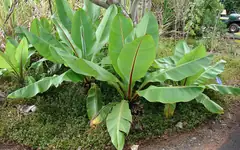 Abyssinian BananaEnsete ventricosumhigh water, Central Valley4.27 gal/sq ft in July
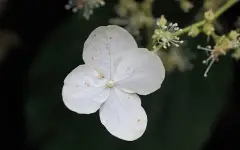 Climbing HydrangeaHydrangea anomala petiolarishigh water, Central Valley4.27 gal/sq ft in July
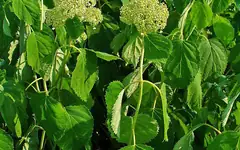 Snowball HydrangeaHydrangea arborescenshigh water, Central Valley4.27 gal/sq ft in July
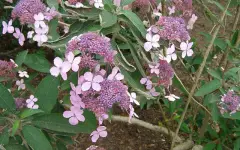 Lacecap HydrangeaHydrangea aspera villosahigh water, Central Valley4.27 gal/sq ft in July
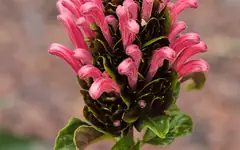 Brazilian Plume FlowerJusticia carneahigh water, Central Valley4.27 gal/sq ft in July
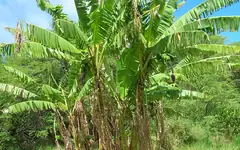 BananaMusa spp. (shade in low desert)high water, Central Valley4.27 gal/sq ft in July
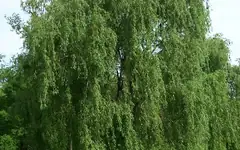 WillowSalix spp. (shrubs)high water, Central Valley4.27 gal/sq ft in July
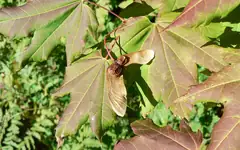 Vine MapleAcer circinatumhigh water, Central Valley4.27 gal/sq ft in July
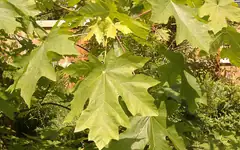 Big Leaf MapleAcer macrophyllumhigh water, Central Valley4.27 gal/sq ft in July
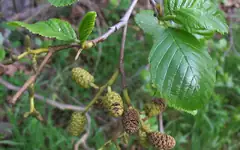 White AlderAlnus rhombifoliahigh water, Central Valley4.27 gal/sq ft in July
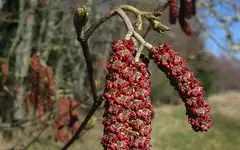 Red AlderAlnus rubra (Alnus oregona)high water, Central Valley4.27 gal/sq ft in July
Similar plants that need less water 16
Rated lower than hydrangea in the Central Valley. Worth a look for a new bed or a lawn replacement.
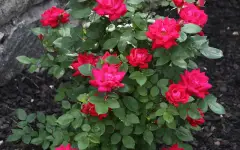 RosesRosa hybrids..bushmoderate water, Central Valley2.67 gal/sq ft in July
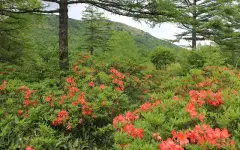 AzaleasRhododendron spp. (CA native and non-native spp.)moderate water, Central Valley2.67 gal/sq ft in July
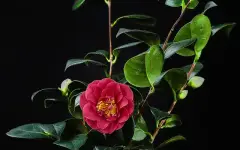 CamelliasCamellia japonica (SHADE IN DESERT)moderate water, Central Valley2.67 gal/sq ft in July
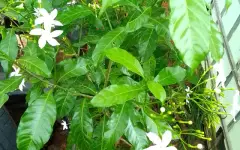 GardeniasGardenia spp. & cvs.moderate water, Central Valley2.67 gal/sq ft in July
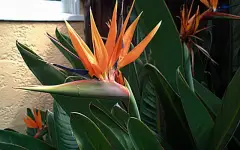 Bird of ParadiseStrelitzia reginae (shade in desert)moderate water, Central Valley2.67 gal/sq ft in July
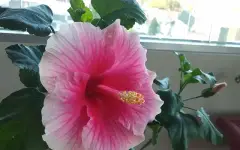 HibiscusHibiscus rosa-sinensismoderate water, Central Valley2.67 gal/sq ft in July
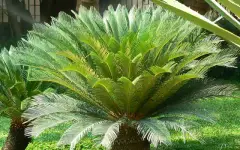 Sago PalmCycas revolutamoderate water, Central Valley2.67 gal/sq ft in July
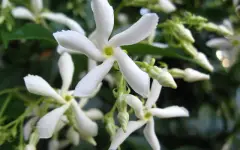 Star JasmineTrachelospermum jasminoides and cvs.moderate water, Central Valley2.67 gal/sq ft in July
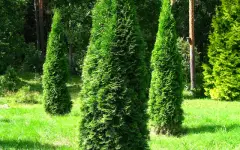 ArborvitaeThuja occidentalis ssp. & cvs.moderate water, Central Valley2.67 gal/sq ft in July
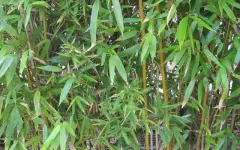 BambooBambusa spp.moderate water, Central Valley2.67 gal/sq ft in July
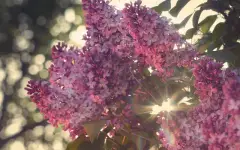 LilacsSyringa hybrids (including Descanso hybrids)moderate water, Central Valley2.67 gal/sq ft in July
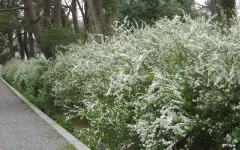 SpireaSpiraea spp. (CA native and non native spp.)moderate water, Central Valley2.67 gal/sq ft in July
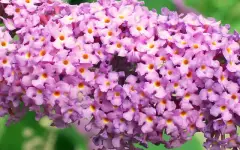 Butterfly BushBuddleja davidii and hybridsmoderate water, Central Valley2.67 gal/sq ft in July
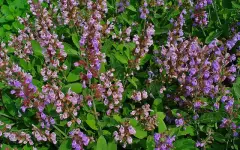 SageSalvia officinalis and cvs.moderate water, Central Valley2.67 gal/sq ft in July
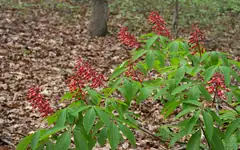 Red BuckeyeAesculus paviamoderate water, Central Valley2.67 gal/sq ft in July
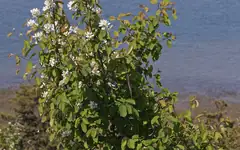 Western ServiceberryAmelanchier alnifoliamoderate water, Central Valley2.67 gal/sq ft in July
Turn this into minutes on your water days
Every city page has a calculator that takes hydrangea, your sprinkler type and the month, and gives the minutes per water day for that supplier's schedule. Or put it in a zone of the personal watering plan and get all twelve months printed.
Questions people ask
How often should I water hydrangea in summer?
In July, established hydrangea in loam needs a deep watering about every 5 days in the Central Valley, about every 11 days on the south coast and about every 5 days in the South Inland zone. Sandy soil holds less water, so waterings come closer together. Clay stretches them. Check the soil before each watering and skip one after a soaking rain.
How much water does hydrangea need per day?
In July in the Central Valley, established hydrangea needs about 1.7 gallons a day for a plant 4 feet across and about 6.9 gallons a day for a plant 8 feet across. Give it in deep waterings spread days apart rather than a little every day, so the whole root zone gets wet.
Does watering for hydrangea change across California?
Yes. WUCOLS rates hydrangea separately for each of the six California climate zones: moderate water in the North-Central Coastal zone, high water in the Central Valley zone, moderate water in the South Coastal zone, high water in the South Inland zone, not suited to this region in the High and Intermediate Desert zone, not suited to this region in the Low Desert zone. The monthly table above shows how the same rating translates into different gallon amounts as reference evapotranspiration changes.
Why does my hydrangea wilt every afternoon even though the soil is moist?
On hot days the huge leaves lose water faster than the roots can replace it, so afternoon drooping is normal and not proof of dry soil. If the plant perks up by evening and the soil is still moist an inch or two down, leave it alone, since watering a wilted plant in wet soil invites root rot. Only a plant that is still limp the next morning truly needs a drink.
Can you overwater a hydrangea?
Yes. Hydrangeas want moist soil, not waterlogged soil, and standing water pushes air out of the root zone until the roots rot. The warning signs are yellowing leaves that drop, a plant that wilts even though the bed is wet, and soil that never dries at the surface. Let the top inch or two dry before watering again, and improve drainage in heavy clay.
How should I water a newly planted hydrangea?
Keep the root ball itself evenly moist through the first summer, not just the surrounding bed, because a nursery root ball dries out faster than garden soil and roots cannot yet reach beyond it. Check by pushing a finger into the original root ball, water slowly at the base when it starts to dry, and mulch right away to protect the shallow roots.
Is drip irrigation good for hydrangeas?
Yes, drip suits them well as long as it covers enough ground. The root system is shallow and spreads wide, so use several emitters or a ring of in-line drip tubing around the dripline rather than a single emitter at the stem. Drip also keeps water off the leaves and flower heads, which cuts down on leaf spot and keeps blooms from flopping under spray.
Do hydrangeas need water in winter in California?
In the ground, usually not. The plant is bare and dormant, and winter rain covers it across most of the state. Water only during a long dry spell between storms, and keep an eye on containers, which dry out faster than garden beds even in cool weather. Regular watering resumes as new leaves push out in spring.
Why are my hydrangea leaves turning brown at the edges?
Crispy brown edges usually mean the plant dried out between waterings or got scorched by hot afternoon sun, and the two often happen together in inland gardens. Give it a slow, deep soak, mulch the root zone, and add afternoon shade if the leaves face west. If leaves are yellowing rather than browning, look at overwatering or alkaline soil instead of thirst.
More plant watering guides
Sources
- WUCOLS IV plant water use classification for Hydrangea macrophylla & cvs., the University of California survey California agencies use for landscape plan reviewRead August 23, 2026 on wucols.ucdavis.edu
- Model Water Efficient Landscape Ordinance, adopted text and appendices, effective 2025-01-02 · monthly reference evapotranspiration per city, Appendix CRead August 23, 2026 on water.ca.gov/-/media/DWR-Website/Web-Pages/Programs/Water-Use-And-Efficiency/MWELO-Rulemaking/Final-MWELO-Text-and-Appendices_20250103.pdf
- UC Statewide IPM Program, irrigation scheduling using evapotranspirationRead September 30, 2026 on ipm.ucanr.edu/PMG/GARDEN/ENVIRON/evap.html
- Shaw and Pittenger, Landscape Irrigation System Evaluation and Management, UC Cooperative Extension, 2009Read September 30, 2026 on ucanr.edu/sites/default/files/2013-02/160836.pdf
- Pittenger, Water Management in Gardens and Landscapes, UC Riverside, 2017Read September 30, 2026 on ucanr.edu/sites/default/files/2017-03/258022.pdf