How often to water climbing hydrangea in California
In July in the Central Valley, established climbing hydrangea in loam needs a deep watering about every 5 days: about 8.8 gallons each time for a plant 4 feet across, about 12 gallons a week. Climbing hydrangea is a deciduous woody vine from eastern Asia that clings to walls and tree trunks with aerial roots. In early summer it carries flat clusters of fragrant white flowers. It wants rich, moist soil that still drains, and it does best in part or full shade. Hot, dry spots are where it struggles most.
How often to water climbing hydrangea, month by month
Type your city above and the days between waterings and the gallons appear here, worked out from your city's climate table. Or read the figures by climate zone further down.
How this is worked out: established roots fill the top 1.5 feet of soil, and you water again when that soil has dried halfway. Loam soil holds about 1.5 inches of water per foot. Water the whole area the plant covers, and skip a watering after a good soaking rain.
How to tell it needs water
- Soil dry 3 inches down at the base of a vine on a wall means it needs a deep soak, since walls shed rain away from the roots
- Leaves that droop in afternoon sun and are still limp by evening, with dry soil below, point to a thirsty vine
- A vine in a hot, dry, sunny spot that makes little new growth is likely short of both shade and soil moisture
- Yellowing leaves and weak growth over soil that stays soggy point to waterlogging, which this vine does not tolerate
- White, waxy, flat blobs on stems and leaves in early summer are hydrangea scale, which watering will not fix
How to water it
- Water at the base of the vine and over the soil in front of it, not against the wall where the soil stays driest
- Soak slowly until water reaches about a foot down, then let the top few inches dry before the next soak
- Use drip or a slow hose under the vine so water goes into the soil instead of onto the leaves and the wall
- Mulch the root area each spring with leaf mold or compost, leaving a gap of a few inches around the stems
- Plant about 18 inches out from a wall in rich soil that drains, and avoid spots where water stands in winter
Through the seasons
A new climbing hydrangea is slow to settle in, so give it deep soakings whenever rain is lacking from spring through summer for its first few years. Once rooted it grows quickly and needs fewer, deeper waterings. Leaves open in spring and flowers follow in early summer on last year's shoots. The vine drops its leaves in fall and rests through winter, showing peeling reddish brown bark. Winter rain covers the cool months on the north-central coast and in the Central Valley. WUCOLS rates it moderate water on the north-central coast. It rates high water in the Central Valley and in South Inland, where summer checks matter most. WUCOLS marks it as not suited to the south coast, the high desert or the low desert.
In pots
Climbing hydrangea can reach 30 to 50 feet, so a pot only suits a young plant waiting for its spot by a wall or tree. Use a deep container of rich mix and keep it in shade. Check the mix 2 inches down every few days in summer, and daily in Central Valley or South Inland heat. Water until it drains from the holes, then empty the saucer so the roots do not sit in water. A pot against a sunny wall dries very fast. In winter the bare vine uses little water, so let the mix dry slightly between soakings.
- A year
- 27.38 gal per sq ft
- Reference
- Sacramento climate table
- Counts
- Plant need, before sprinkler losses
Monthly water need by climate zone
Climbing Hydrangea: gallons per square foot per month, by WUCOLS climate zone
| Month | N. Coast | C. Valley | S. Coast | S. Inland | Hi Desert | Lo Desert |
|---|---|---|---|---|---|---|
| Jan | 0.37 | 0.64 | – | 1.24 | – | – |
| Feb | 0.53 | 1.04 | – | 1.39 | – | – |
| Mar | 0.87 | 1.74 | – | 2.08 | – | – |
| Apr | 1.18 | 2.43 | – | 2.58 | – | – |
| May | 1.46 | 3.32 | – | 3.12 | – | – |
| Jun | 1.61 | 3.97 | – | 3.67 | – | – |
| Jul | 1.61 | 4.27 | – | 4.02 | – | – |
| Aug | 1.49 | 3.82 | – | 3.72 | – | – |
| Sep | 1.24 | 2.88 | – | 2.98 | – | – |
| Oct | 0.87 | 1.88 | – | 2.13 | – | – |
| Nov | 0.47 | 0.89 | – | 1.44 | – | – |
| Dec | 0.31 | 0.55 | – | 1.09 | – | – |
| Year | 12 | 27.38 | – | 29.46 | – | – |
How this is worked out: the WUCOLS water rating for each zone times that zone’s climate for the month. A dash means WUCOLS does not rate the plant there. The figures are what the plant uses, before sprinkler losses.
Plants with the same water needs 16
Rated high water in the Central Valley, like climbing hydrangea. Plants that drink alike can share one valve and one schedule.
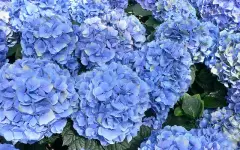 HydrangeaHydrangea macrophylla & cvs.high water, Central Valley4.27 gal/sq ft in July
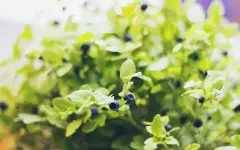 BlueberriesVaccinium hybrids and cvs (CA native and non- native spp.)high water, Central Valley4.27 gal/sq ft in July
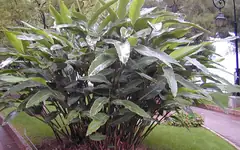 Shell GingerAlpinia zerumbethigh water, Central Valley4.27 gal/sq ft in July
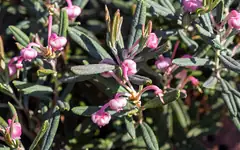 Bog RosemaryAndromeda polifoliahigh water, Central Valley4.27 gal/sq ft in July
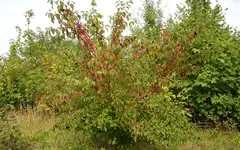 Blood Twig DogwoodCornus sanguineahigh water, Central Valley4.27 gal/sq ft in July
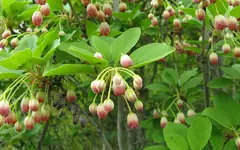 Red-veined EnkianthusEnkianthus campanulatushigh water, Central Valley4.27 gal/sq ft in July
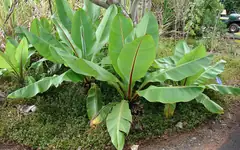 Abyssinian BananaEnsete ventricosumhigh water, Central Valley4.27 gal/sq ft in July
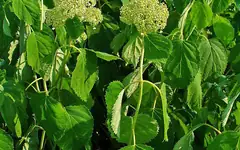 Snowball HydrangeaHydrangea arborescenshigh water, Central Valley4.27 gal/sq ft in July
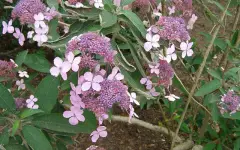 Lacecap HydrangeaHydrangea aspera villosahigh water, Central Valley4.27 gal/sq ft in July
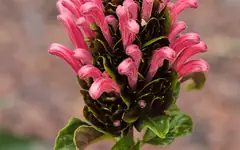 Brazilian Plume FlowerJusticia carneahigh water, Central Valley4.27 gal/sq ft in July
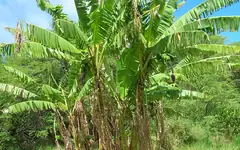 BananaMusa spp. (shade in low desert)high water, Central Valley4.27 gal/sq ft in July
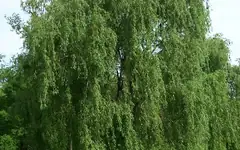 WillowSalix spp. (shrubs)high water, Central Valley4.27 gal/sq ft in July
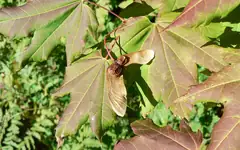 Vine MapleAcer circinatumhigh water, Central Valley4.27 gal/sq ft in July
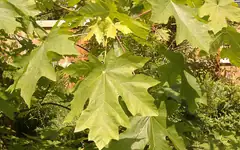 Big Leaf MapleAcer macrophyllumhigh water, Central Valley4.27 gal/sq ft in July
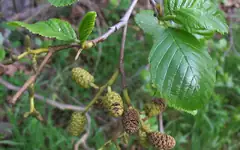 White AlderAlnus rhombifoliahigh water, Central Valley4.27 gal/sq ft in July
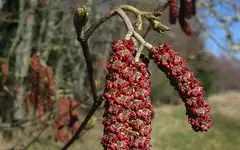 Red AlderAlnus rubra (Alnus oregona)high water, Central Valley4.27 gal/sq ft in July
Similar plants that need less water 16
Rated lower than climbing hydrangea in the Central Valley. Worth a look for a new bed or a lawn replacement.
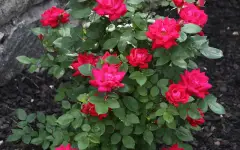 RosesRosa hybrids..bushmoderate water, Central Valley2.67 gal/sq ft in July
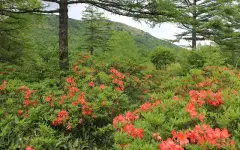 AzaleasRhododendron spp. (CA native and non-native spp.)moderate water, Central Valley2.67 gal/sq ft in July
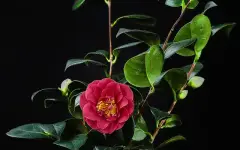 CamelliasCamellia japonica (SHADE IN DESERT)moderate water, Central Valley2.67 gal/sq ft in July
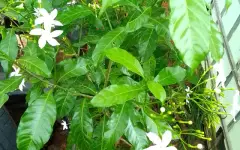 GardeniasGardenia spp. & cvs.moderate water, Central Valley2.67 gal/sq ft in July
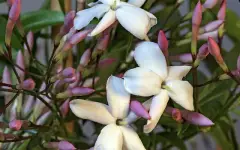 JasmineJasminum polyanthummoderate water, Central Valley2.67 gal/sq ft in July
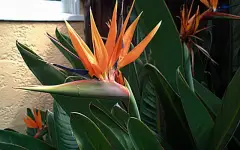 Bird of ParadiseStrelitzia reginae (shade in desert)moderate water, Central Valley2.67 gal/sq ft in July
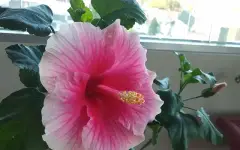 HibiscusHibiscus rosa-sinensismoderate water, Central Valley2.67 gal/sq ft in July
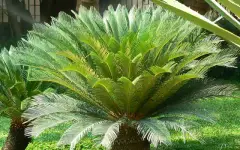 Sago PalmCycas revolutamoderate water, Central Valley2.67 gal/sq ft in July
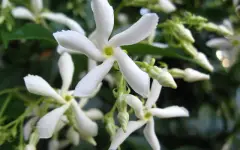 Star JasmineTrachelospermum jasminoides and cvs.moderate water, Central Valley2.67 gal/sq ft in July
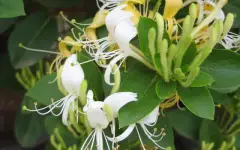 HoneysuckleLonicera japonicamoderate water, Central Valley2.67 gal/sq ft in July
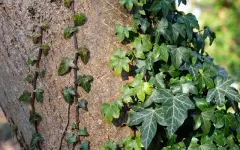 IvyHedera helixmoderate water, Central Valley2.67 gal/sq ft in July
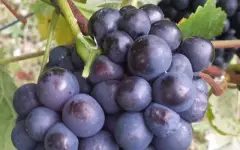 GrapevinesVitis vinifera ssp. & cvs.moderate water, Central Valley2.67 gal/sq ft in July
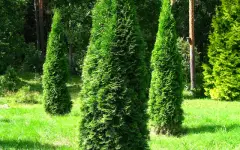 ArborvitaeThuja occidentalis ssp. & cvs.moderate water, Central Valley2.67 gal/sq ft in July
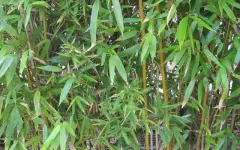 BambooBambusa spp.moderate water, Central Valley2.67 gal/sq ft in July
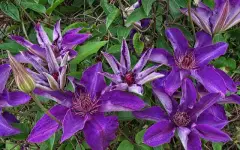 ClematisClematis & ssp., hybrids & cvs.moderate water, Central Valley2.67 gal/sq ft in July
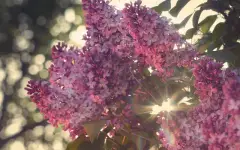 LilacsSyringa hybrids (including Descanso hybrids)moderate water, Central Valley2.67 gal/sq ft in July
Turn this into minutes on your water days
Every city page has a calculator that takes climbing hydrangea, your sprinkler type and the month, and gives the minutes per water day for that supplier's schedule. Or put it in a zone of the personal watering plan and get all twelve months printed.
Questions people ask
How often should I water climbing hydrangea in summer?
In July, established climbing hydrangea in loam needs a deep watering about every 5 days in the Central Valley and about every 5 days in the South Inland zone. Sandy soil holds less water, so waterings come closer together. Clay stretches them. Check the soil before each watering and skip one after a soaking rain.
How much water does climbing hydrangea need per day?
In July in the Central Valley, established climbing hydrangea needs about 1.7 gallons a day for a plant 4 feet across and about 6.9 gallons a day for a plant 8 feet across. Give it in deep waterings spread days apart rather than a little every day, so the whole root zone gets wet.
Does watering for climbing hydrangea change across California?
Yes. WUCOLS rates climbing hydrangea separately for each of the six California climate zones: moderate water in the North-Central Coastal zone, high water in the Central Valley zone, not suited to this region in the South Coastal zone, high water in the South Inland zone, not suited to this region in the High and Intermediate Desert zone, not suited to this region in the Low Desert zone. The monthly table above shows how the same rating translates into different gallon amounts as reference evapotranspiration changes.
Why is my climbing hydrangea not blooming?
Young plants often take three to five years to start flowering. Flowers form on last year's shoots, so pruning late in the season removes them. Hard frost can also damage those shoot tips.
When should I prune a climbing hydrangea?
Prune in summer straight after it flowers, cutting back the flowered shoots and any overlong new growth. Most flowers form near the top, so trim that part lightly. Hard pruning cuts flowering for the next couple of summers.
Can climbing hydrangea grow in full sun?
Only where the soil stays consistently moist. A north- or east-facing wall or fence suits it best. In a very hot, dry spot it is unlikely to thrive.
Does climbing hydrangea need a support?
It clings by aerial roots, but a young plant needs wires or a trellis to get started. Tie in new shoots until the roots attach. A mature vine is heavy, so use a sturdy support from the start.
Why is my climbing hydrangea growing so slowly?
It is slow to establish, then quite vigorous once its roots are settled. Poor growth can also come from dry soil rather than a lack of food. Mulch and deep soakings help more than extra fertilizer.
Is climbing hydrangea poisonous?
All parts may cause a mild stomach upset if eaten. Contact with the leaves can also aggravate skin allergies. Wear gloves when you prune it.
More plant watering guides
Sources
- WUCOLS IV plant water use classification for Hydrangea anomala petiolaris, the University of California survey California agencies use for landscape plan reviewRead August 23, 2026 on wucols.ucdavis.edu
- Model Water Efficient Landscape Ordinance, adopted text and appendices, effective 2025-01-02 · monthly reference evapotranspiration per city, Appendix CRead August 23, 2026 on water.ca.gov/-/media/DWR-Website/Web-Pages/Programs/Water-Use-And-Efficiency/MWELO-Rulemaking/Final-MWELO-Text-and-Appendices_20250103.pdf
- UC Statewide IPM Program, irrigation scheduling using evapotranspirationRead September 30, 2026 on ipm.ucanr.edu/PMG/GARDEN/ENVIRON/evap.html
- Shaw and Pittenger, Landscape Irrigation System Evaluation and Management, UC Cooperative Extension, 2009Read September 30, 2026 on ucanr.edu/sites/default/files/2013-02/160836.pdf
- Pittenger, Water Management in Gardens and Landscapes, UC Riverside, 2017Read September 30, 2026 on ucanr.edu/sites/default/files/2017-03/258022.pdf