How often to water western ragweed in California
In July on the north-central coast, established western ragweed in loam needs a deep soak only about once a month or less: about 1.5 gallons each time for a plant 2 feet across. Western ragweed is a weedy native perennial found throughout California in roadsides, dry fields and disturbed patches of chaparral and coastal sage scrub. It spreads by rhizomes and stands 8 inches to about 3 feet tall. Its pollen may trigger allergies. Experienced native nurseries treat it as a sign of a disturbed site rather than a garden plant.
How often to water western ragweed, month by month
Type your city above and the days between waterings and the gallons appear here, worked out from your city's climate table. Or read the figures by climate zone further down.
How this is worked out: established roots fill the top 1 foot of soil, and you water again when that soil has dried halfway. Loam soil holds about 1.5 inches of water per foot. Water the whole area the plant covers, and skip a watering after a good soaking rain.
How to tell it needs water
- Plants spreading fast after summer watering point to too much water for this weedy native
- Leaves dropping in late summer drought is normal stress dormancy
- New shoots popping up across the bed come from spreading rhizomes
- A site full of western ragweed often signals disturbed soil
How to water it
- Give it no regular water, since it thrives on neglect
- Avoid planting it in gardens, especially near allergy sufferers
- Dig out rhizomes where it is not wanted
- Restore disturbed ground with other natives
- Mow or cut it before it flowers to reduce pollen
Through the seasons
This native needs no help from irrigation. It drops its leaves under late summer drought and regrows when rain returns. Watering only encourages its spread by rhizomes, so leave it dry or dig it out before it flowers. Western ragweed gets a very low water rating from WUCOLS on the north-central coast and the south coast. South Inland and the low desert give it a low water rating. The Central Valley and the high desert have no WUCOLS evaluation for it.
In pots
Western ragweed is not a plant to grow in pots or gardens. If a seedling shows up in a container, pull it before it flowers so its pollen does not spread. If you keep one for study, use a sandy mix, water only when the mix is dry, and let it drain fully. Never let it sit in water. Let it rest dry in late summer, when it drops its leaves and rests until rain returns.
- A year
- no figure
- Reference
- Sacramento climate table
- Counts
- Plant need, before sprinkler losses
WUCOLS lists Western Ragweed as not evaluated for the Central Valley zone, so no monthly figure is computed here.
Monthly water need by climate zone
Western Ragweed: gallons per square foot per month, by WUCOLS climate zone
| Month | N. Coast | C. Valley | S. Coast | S. Inland | Hi Desert | Lo Desert |
|---|---|---|---|---|---|---|
| Jan | 0.04 | – | 0.08 | 0.31 | – | 0.31 |
| Feb | 0.05 | – | 0.08 | 0.35 | – | 0.37 |
| Mar | 0.09 | – | 0.11 | 0.52 | – | 0.61 |
| Apr | 0.12 | – | 0.14 | 0.64 | – | 0.78 |
| May | 0.15 | – | 0.16 | 0.78 | – | 0.98 |
| Jun | 0.16 | – | 0.17 | 0.92 | – | 1.12 |
| Jul | 0.16 | – | 0.2 | 1 | – | 1.14 |
| Aug | 0.15 | – | 0.19 | 0.93 | – | 1.04 |
| Sep | 0.12 | – | 0.15 | 0.74 | – | 0.83 |
| Oct | 0.09 | – | 0.11 | 0.53 | – | 0.6 |
| Nov | 0.05 | – | 0.08 | 0.36 | – | 0.38 |
| Dec | 0.03 | – | 0.07 | 0.27 | – | 0.27 |
| Year | 1.2 | – | 1.55 | 7.37 | – | 8.43 |
How this is worked out: the WUCOLS water rating for each zone times that zone’s climate for the month. A dash means WUCOLS does not rate the plant there. The figures are what the plant uses, before sprinkler losses.
Plants with the same water needs 16
Rated not evaluated in the Central Valley, like western ragweed. Plants that drink alike can share one valve and one schedule.
 Lilyleaf LadybellsAdenophora liliifolianot rated, Central Valleyno Central Valley rating
 ArnicaArnica montananot rated, Central Valleyno Central Valley rating
 Frilly BergeniaBergenia ciliatanot rated, Central Valleyno Central Valley rating
 Cabbage on a StickBrighamia insignisnot rated, Central Valleyno Central Valley rating
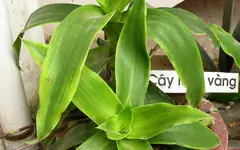 Basket PlantCallisia fragransnot rated, Central Valleyno Central Valley rating
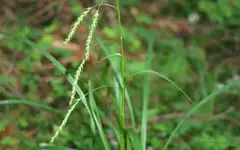 Forest SedgeCarex sylvaticanot rated, Central Valleyno Central Valley rating
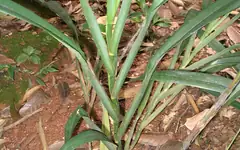 Umbrella DracaenaDianella ensifolianot rated, Central Valleyno Central Valley rating
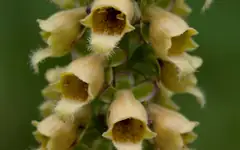 Rusty FoxgloveDigitalis ferrugineanot rated, Central Valleyno Central Valley rating
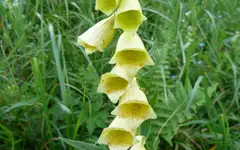 Big-Flowered FoxgloveDigitalis grandifloranot rated, Central Valleyno Central Valley rating
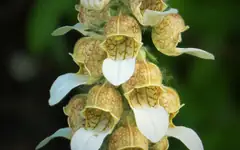 Woolly FoxgloveDigitalis lanatanot rated, Central Valleyno Central Valley rating
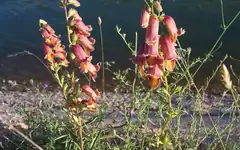 Sunset FoxgloveDigitalis obscuranot rated, Central Valleyno Central Valley rating
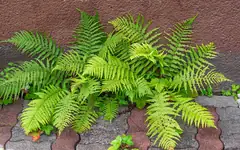 Male FernDryopteris filix-masnot rated, Central Valleyno Central Valley rating
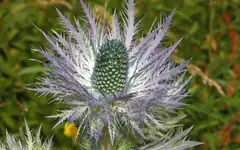 Alpine Sea HollyEryngium alpinumnot rated, Central Valleyno Central Valley rating
 Purple SpurgeEuphorbia dulcisnot rated, Central Valleyno Central Valley rating
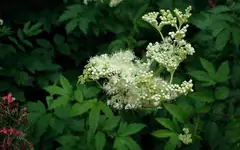 Queen of the MeadowFilipendula ulmarianot rated, Central Valleyno Central Valley rating
 DropwortFilipendula vulgaris (Filipendula hexapetala)not rated, Central Valleyno Central Valley rating
Turn this into minutes on your water days
Every city page has a calculator that takes western ragweed, your sprinkler type and the month, and gives the minutes per water day for that supplier's schedule. Or put it in a zone of the personal watering plan and get all twelve months printed.
Questions people ask
How often should I water western ragweed in summer?
In July, established western ragweed in loam needs a deep watering about once a month or less on the south coast and about every 14 days in the South Inland zone. Sandy soil holds less water, so waterings come closer together. Clay stretches them. Check the soil before each watering and skip one after a soaking rain.
How much water does western ragweed need per day?
In July on the north-central coast, established western ragweed needs about 0.0 gallons a day for a plant 2 feet across and about 0.1 gallons a day for a plant 4 feet across. Give it in deep waterings spread days apart rather than a little every day, so the whole root zone gets wet.
Does watering for western ragweed change across California?
Yes. WUCOLS rates western ragweed separately for each of the six California climate zones: very low water in the North-Central Coastal zone, not evaluated in the Central Valley zone, very low water in the South Coastal zone, low water in the South Inland zone, not evaluated in the High and Intermediate Desert zone, low water in the Low Desert zone. The monthly table above shows how the same rating translates into different gallon amounts as reference evapotranspiration changes.
Should I plant western ragweed?
Native plant growers do not recommend it for gardens. It is weedy and its pollen may be an allergen. Choose other natives.
Is western ragweed native to California?
Yes, it is a native perennial common throughout California. It grows in roadsides, dry fields and disturbed areas. It can indicate a site in trouble.
How does western ragweed spread?
It spreads by rhizomes and can colonize disturbed ground. Dig out rhizomes to control it. Do not water it.
Does western ragweed cause allergies?
Its pollen may be an allergen. Cut or remove it before it flowers. Wear a mask when handling flowering plants.
Why does western ragweed lose its leaves?
It is stress deciduous and drops leaves in summer drought. That is normal. It regrows after rain.
More plant watering guides
Sources
- WUCOLS IV plant water use classification for Ambrosia psilostachya, the University of California survey California agencies use for landscape plan reviewRead August 23, 2026 on wucols.ucdavis.edu
- Model Water Efficient Landscape Ordinance, adopted text and appendices, effective 2025-01-02 · monthly reference evapotranspiration per city, Appendix CRead August 23, 2026 on water.ca.gov/-/media/DWR-Website/Web-Pages/Programs/Water-Use-And-Efficiency/MWELO-Rulemaking/Final-MWELO-Text-and-Appendices_20250103.pdf
- UC Statewide IPM Program, irrigation scheduling using evapotranspirationRead September 30, 2026 on ipm.ucanr.edu/PMG/GARDEN/ENVIRON/evap.html
- Shaw and Pittenger, Landscape Irrigation System Evaluation and Management, UC Cooperative Extension, 2009Read September 30, 2026 on ucanr.edu/sites/default/files/2013-02/160836.pdf
- Pittenger, Water Management in Gardens and Landscapes, UC Riverside, 2017Read September 30, 2026 on ucanr.edu/sites/default/files/2017-03/258022.pdf