How often to water beach morning glory in California
In July on the north-central coast, established beach morning glory in loam needs a deep soak only about once a month or less: about 2.2 gallons each time for a plant 2 feet across. Beach morning glory is a low, trailing perennial native to the California coastal strand, where it creeps across beach sand. Fleshy stems carry kidney-shaped leaves, and upward-facing pink trumpet flowers with white stripes open in summer. It spreads by rhizomes into a mat about 4 inches tall and up to 3 feet across. It needs sun, open air and sand with very sharp drainage.
How often to water beach morning glory, month by month
Type your city above and the days between waterings and the gallons appear here, worked out from your city's climate table. Or read the figures by climate zone further down.
How this is worked out: established roots fill the top 1.5 feet of soil, and you water again when that soil has dried halfway. Loam soil holds about 1.5 inches of water per foot. Water the whole area the plant covers, and skip a watering after a good soaking rain.
How to tell it needs water
- Sand dry several inches down around a new planting in its first summer means it needs a deep watering
- Yellowing, collapsing stems in soil that stays damp point to too much water for a plant that needs very sharp drainage
- Holes chewed in the leaves come from slugs and snails rather than a watering problem
- Sparse, straggly growth in a shaded spot reflects too little sun, not too little water
- New shoots coming up a foot or more from the parent plant come from its rhizomes, not from extra water
How to water it
- Plant in pure sand or a sandy, fast-draining bed in full sun
- Water new plants until they root in, wetting the sand about 6 inches down
- Once it is established, give only an occasional deep soak during a long dry spell
- Leave it room to run across open ground, away from taller plants that would shade it
- Widen the watered area as the rhizomes carry it across the sand
Through the seasons
Water a new planting until its rhizomes take hold in the sand. Flowers open in summer. On the north-central coast, winter rain usually carries established plants, and summer water matters only in long dry spells. It grows wild on beaches and dunes, and unlike its bindweed relatives it is unlikely to become a garden weed. WUCOLS rates beach morning glory low water on the north-central coast. WUCOLS has not evaluated it for the Central Valley, the south coast, South Inland, the high desert or the low desert.
In pots
Beach morning glory can trail from a wide, shallow container filled with a sandy, very fast-draining mix. Use a pot with plenty of drainage holes and set it in full sun. In summer heat, check the mix every couple of days and water when the top 2 inches are dry. Let water pour through, and never let the pot sit in a full saucer. Watch for slugs and snails on the leaves. In winter, water only when the mix is dry.
- A year
- no figure
- Reference
- Sacramento climate table
- Counts
- Plant need, before sprinkler losses
WUCOLS lists Beach Morning Glory as not evaluated for the Central Valley zone, so no monthly figure is computed here.
Monthly water need by climate zone
Beach Morning Glory: gallons per square foot per month, by WUCOLS climate zone
| Month | N. Coast | C. Valley | S. Coast | S. Inland | Hi Desert | Lo Desert |
|---|---|---|---|---|---|---|
| Jan | 0.15 | – | – | – | – | – |
| Feb | 0.21 | – | – | – | – | – |
| Mar | 0.35 | – | – | – | – | – |
| Apr | 0.47 | – | – | – | – | – |
| May | 0.58 | – | – | – | – | – |
| Jun | 0.64 | – | – | – | – | – |
| Jul | 0.64 | – | – | – | – | – |
| Aug | 0.6 | – | – | – | – | – |
| Sep | 0.5 | – | – | – | – | – |
| Oct | 0.35 | – | – | – | – | – |
| Nov | 0.19 | – | – | – | – | – |
| Dec | 0.12 | – | – | – | – | – |
| Year | 4.8 | – | – | – | – | – |
How this is worked out: the WUCOLS water rating for each zone times that zone’s climate for the month. A dash means WUCOLS does not rate the plant there. The figures are what the plant uses, before sprinkler losses.
Plants with the same water needs 16
Rated not evaluated in the Central Valley, like beach morning glory. Plants that drink alike can share one valve and one schedule.
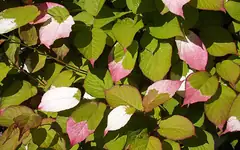 Variegated KiwiActinidia kolomiktanot rated, Central Valleyno Central Valley rating
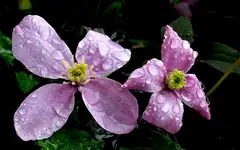 Anemone ClematisClematis montananot rated, Central Valleyno Central Valley rating
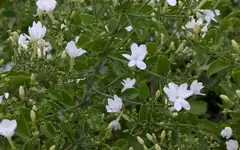 Privet-Leaved JasmineJasminum leratiinot rated, Central Valleyno Central Valley rating
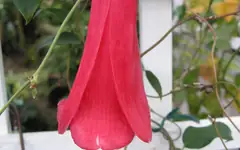 Chilean BellflowerLapageria roseanot rated, Central Valleyno Central Valley rating
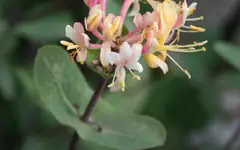 Etruscan HoneysuckleLonicera etruscanot rated, Central Valleyno Central Valley rating
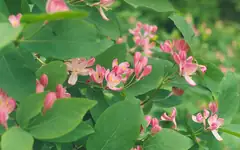 Tatarian HoneysuckleLonicera tataricanot rated, Central Valleyno Central Valley rating
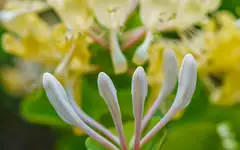 Golden Flame HoneysuckleLonicera x heckrottinot rated, Central Valleyno Central Valley rating
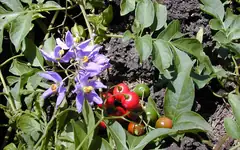 Brazilian NightshadeSolanum seaforthianumnot rated, Central Valleyno Central Valley rating
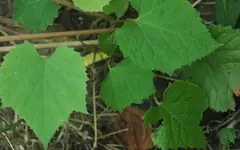 Amur River GrapeVitis amurensisnot rated, Central Valleyno Central Valley rating
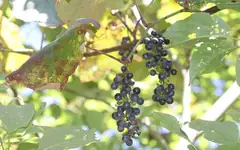 Crimson Glory VineVitis coignetiaenot rated, Central Valleyno Central Valley rating
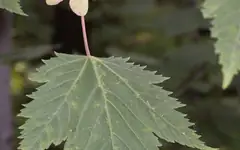 Mountain MapleAcer glabrumnot rated, Central Valleyno Central Valley rating
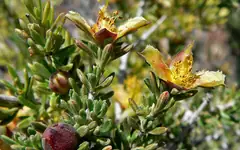 BlackbrushColeogyne ramosissimanot rated, Central Valleyno Central Valley rating
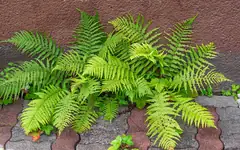 Male FernDryopteris filix-masnot rated, Central Valleyno Central Valley rating
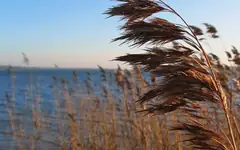 Common ReedPhragmites australisnot rated, Central Valleyno Central Valley rating
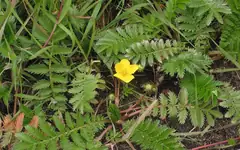 SilverweedPotentilla anserinanot rated, Central Valleyno Central Valley rating
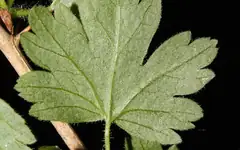 Spreading GooseberryRibes divaricatumnot rated, Central Valleyno Central Valley rating
Turn this into minutes on your water days
Every city page has a calculator that takes beach morning glory, your sprinkler type and the month, and gives the minutes per water day for that supplier's schedule. Or put it in a zone of the personal watering plan and get all twelve months printed.
Questions people ask
How much water does beach morning glory need per day?
In July on the north-central coast, established beach morning glory needs about 0.1 gallons a day for a plant 2 feet across and about 0.3 gallons a day for a plant 4 feet across. Give it in deep waterings spread days apart rather than a little every day, so the whole root zone gets wet.
Does watering for beach morning glory change across California?
Yes. WUCOLS rates beach morning glory separately for each of the six California climate zones: low water in the North-Central Coastal zone, not evaluated in the Central Valley zone, not evaluated in the South Coastal zone, not evaluated in the South Inland zone, not evaluated in the High and Intermediate Desert zone, not evaluated in the Low Desert zone. The monthly table above shows how the same rating translates into different gallon amounts as reference evapotranspiration changes.
Is beach morning glory invasive like bindweed?
No. It is closely related to bindweed but unlikely to become a garden weed. It spreads by rhizomes across open sand, so give it room or edge the bed.
Is beach morning glory native to California?
Yes. It is native to the California coast, where it grows in the coastal strand on beaches and dunes. It also grows on coasts elsewhere in North America and beyond.
Can beach morning glory grow away from the coast?
In the wild it grows only along the coast, and WUCOLS has rated it only for the north-central coast. Inland, it needs pure sand, full sun and very light watering to have a chance.
How do I propagate beach morning glory?
Sow seed or divide the rhizomes. Replant divisions in sand and keep them lightly moist until new growth starts.
Can you overwater beach morning glory?
Yes. It needs very sharp drainage, and soil that stays damp harms it. Let the sand dry well between waterings once it is established.
More plant watering guides
Sources
- WUCOLS IV plant water use classification for Calystegia soldanella, the University of California survey California agencies use for landscape plan reviewRead August 23, 2026 on wucols.ucdavis.edu
- Model Water Efficient Landscape Ordinance, adopted text and appendices, effective 2025-01-02 · monthly reference evapotranspiration per city, Appendix CRead August 23, 2026 on water.ca.gov/-/media/DWR-Website/Web-Pages/Programs/Water-Use-And-Efficiency/MWELO-Rulemaking/Final-MWELO-Text-and-Appendices_20250103.pdf
- UC Statewide IPM Program, irrigation scheduling using evapotranspirationRead September 30, 2026 on ipm.ucanr.edu/PMG/GARDEN/ENVIRON/evap.html
- Shaw and Pittenger, Landscape Irrigation System Evaluation and Management, UC Cooperative Extension, 2009Read September 30, 2026 on ucanr.edu/sites/default/files/2013-02/160836.pdf
- Pittenger, Water Management in Gardens and Landscapes, UC Riverside, 2017Read September 30, 2026 on ucanr.edu/sites/default/files/2017-03/258022.pdf