How often to water white-barked Himalayan birch in California
In July in the Central Valley, established white-barked Himalayan birch in loam needs a deep watering about every 5 days: about 55 gallons each time under a 10 foot canopy, about 76 gallons a week. White-barked Himalayan birch has the whitest bark of any birch, an upright, pyramidal form and yellow leaves in fall. It comes from the western Himalayas and does best where summers stay cool. In California it needs constantly moist soil and cool, mulched roots, and in hot, dry summer areas birches often decline within about 20 years.
How often to water white-barked Himalayan birch, month by month
Type your city above and the days between waterings and the gallons appear here, worked out from your city's climate table. Or read the figures by climate zone further down.
How this is worked out: established roots fill the top 1.5 feet of soil, and you water again when that soil has dried halfway. Loam soil holds about 1.5 inches of water per foot. Water the whole area under the branches, and skip a watering after a good soaking rain.
How to tell it needs water
- Soil dry 3 inches down under the canopy signals that a Himalayan birch needs water now, since it wants constant moisture
- Leaves yellowing and dropping early in summer heat point to drought stress, which this birch handles poorly
- Thinning branches at the top of the crown can signal borers, which attack stressed birches
- Sticky honeydew and black sooty mold on leaves and paving point to aphids, not to water
- Yellow leaves over soil that stays soggy point to poor drainage, since it needs moist but well-drained soil
How to water it
- Lay soaker hoses or drip across the whole root zone, since the roots are shallow and spread wide
- Keep the top foot of soil evenly moist, watering again as soon as the surface starts to dry
- Spread 3 to 4 inches of bark mulch over the root zone to keep the shallow roots cool
- Plant in moist, acidic, well-drained loam, with the root zone shaded in warm areas
- Extend the watered area as the canopy grows rather than relying on lawn sprinklers
Through the seasons
A new Himalayan birch needs constantly moist soil through its first summers while roots spread. Established trees keep needing steady water all season, since this cool-climate tree tolerates neither heat nor drought well. Catkins appear in early spring, leaves turn yellow in fall, and the bare white trunks shine through winter. Rain covers the leafless months on the north-central coast and in the Central Valley. WUCOLS rates white-barked Himalayan birch high water on the north-central coast and in the Central Valley. It is marked not suited to the south coast and South Inland, and to the high desert and the low desert.
In pots
A young Himalayan birch can grow in a large container for a few years, but its shallow roots dry quickly there. Check the mix daily in summer heat and water until it drains through, then empty the saucer. Mulch the top of the pot and shade the container itself, since hot roots stress this cool-climate tree. In winter, after the leaves drop, water only when the mix starts to dry.
- A year
- 27.38 gal per sq ft
- Reference
- Sacramento climate table
- Counts
- Plant need, before sprinkler losses
Monthly water need by climate zone
White-Barked Himalayan Birch: gallons per square foot per month, by WUCOLS climate zone
| Month | N. Coast | C. Valley | S. Coast | S. Inland | Hi Desert | Lo Desert |
|---|---|---|---|---|---|---|
| Jan | 0.6 | 0.64 | – | – | – | – |
| Feb | 0.84 | 1.04 | – | – | – | – |
| Mar | 1.39 | 1.74 | – | – | – | – |
| Apr | 1.88 | 2.43 | – | – | – | – |
| May | 2.33 | 3.32 | – | – | – | – |
| Jun | 2.58 | 3.97 | – | – | – | – |
| Jul | 2.58 | 4.27 | – | – | – | – |
| Aug | 2.38 | 3.82 | – | – | – | – |
| Sep | 1.98 | 2.88 | – | – | – | – |
| Oct | 1.39 | 1.88 | – | – | – | – |
| Nov | 0.74 | 0.89 | – | – | – | – |
| Dec | 0.5 | 0.55 | – | – | – | – |
| Year | 19.2 | 27.38 | – | – | – | – |
How this is worked out: the WUCOLS water rating for each zone times that zone’s climate for the month. A dash means WUCOLS does not rate the plant there. The figures are what the plant uses, before sprinkler losses.
Plants with the same water needs 16
Rated high water in the Central Valley, like white-barked Himalayan birch. Plants that drink alike can share one valve and one schedule.
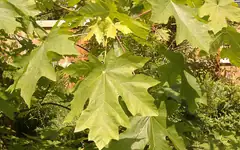 Big Leaf MapleAcer macrophyllumhigh water, Central Valley4.27 gal/sq ft in July
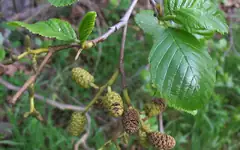 White AlderAlnus rhombifoliahigh water, Central Valley4.27 gal/sq ft in July
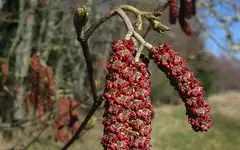 Red AlderAlnus rubra (Alnus oregona)high water, Central Valley4.27 gal/sq ft in July
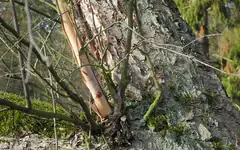 River BirchBetula nigrahigh water, Central Valley4.27 gal/sq ft in July
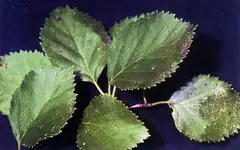 Water BirchBetula occidentalishigh water, Central Valley4.27 gal/sq ft in July
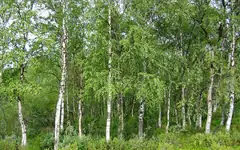 European White BirchBetula pendulahigh water, Central Valley4.27 gal/sq ft in July
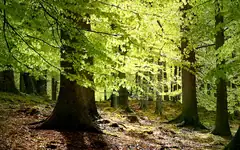 European BeechFagus sylvaticahigh water, Central Valley4.27 gal/sq ft in July
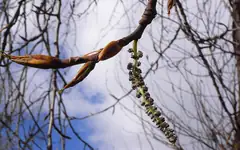 Black CottonwoodPopulus trichocarpa (Populus balsamifera)high water, Central Valley4.27 gal/sq ft in July
 Carolina PoplarPopulus x canadensishigh water, Central Valley4.27 gal/sq ft in July
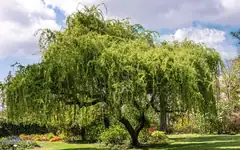 Weeping WillowSalix babylonicahigh water, Central Valley4.27 gal/sq ft in July
 Peking WillowSalix matsudanahigh water, Central Valley4.27 gal/sq ft in July
 Coast RedwoodSequoia sempervirenshigh water, Central Valley4.27 gal/sq ft in July
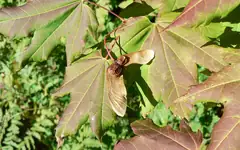 Vine MapleAcer circinatumhigh water, Central Valley4.27 gal/sq ft in July
 HydrangeaHydrangea macrophylla & cvs.high water, Central Valley4.27 gal/sq ft in July
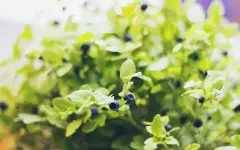 BlueberriesVaccinium hybrids and cvs (CA native and non- native spp.)high water, Central Valley4.27 gal/sq ft in July
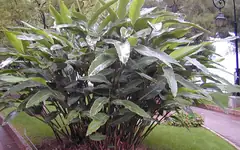 Shell GingerAlpinia zerumbethigh water, Central Valley4.27 gal/sq ft in July
Similar plants that need less water 16
Rated lower than white-barked Himalayan birch in the Central Valley. Worth a look for a new bed or a lawn replacement.
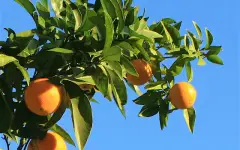 Citrus TreesCitrus spp.moderate water, Central Valley2.67 gal/sq ft in July
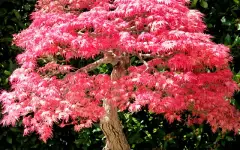 Japanese MapleAcer palmatummoderate water, Central Valley2.67 gal/sq ft in July
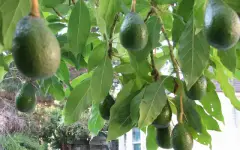 Avocado TreesPersea americanamoderate water, Central Valley2.67 gal/sq ft in July
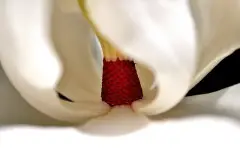 Magnolia TreesMagnolia grandiflora ssp. & cvs.moderate water, Central Valley2.67 gal/sq ft in July
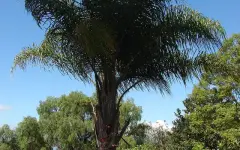 Palm TreesSyagrus romanzoffiana (Arecastrum romanzoffianum)moderate water, Central Valley2.67 gal/sq ft in July
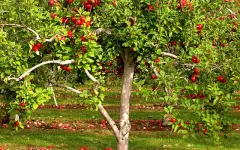 Apple TreesMalus spp. (edible) e.g, 'Anna' (low chill variety for low desert)moderate water, Central Valley2.67 gal/sq ft in July
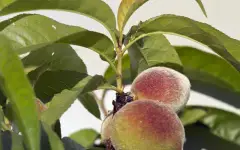 Peach TreesPrunus spp. ediblemoderate water, Central Valley2.67 gal/sq ft in July
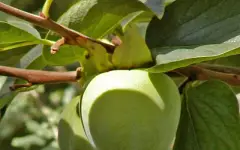 Persimmon TreesDiospyros kakimoderate water, Central Valley2.67 gal/sq ft in July
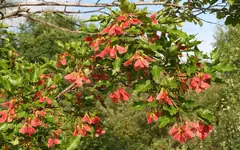 Amur MapleAcer ginnalamoderate water, Central Valley2.67 gal/sq ft in July
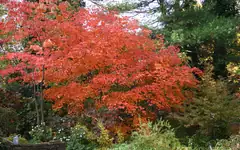 Fernleaf MapleAcer japonicummoderate water, Central Valley2.67 gal/sq ft in July
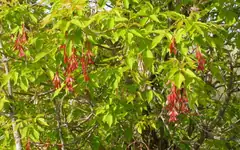 Box ElderAcer negundomoderate water, Central Valley2.67 gal/sq ft in July
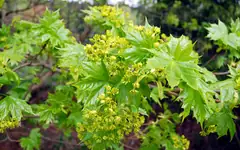 Norway MapleAcer platanoidesmoderate water, Central Valley2.67 gal/sq ft in July
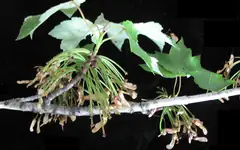 Red MapleAcer rubrummoderate water, Central Valley2.67 gal/sq ft in July
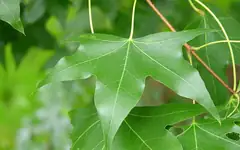 Chinese MapleAcer truncatummoderate water, Central Valley2.67 gal/sq ft in July
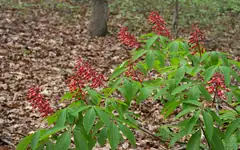 Red BuckeyeAesculus paviamoderate water, Central Valley2.67 gal/sq ft in July
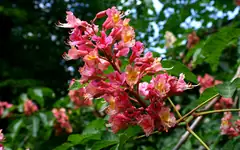 Red HorsechestnutAesculus x carneamoderate water, Central Valley2.67 gal/sq ft in July
Turn this into minutes on your water days
Every city page has a calculator that takes white-barked Himalayan birch, your sprinkler type and the month, and gives the minutes per water day for that supplier's schedule. Or put it in a zone of the personal watering plan and get all twelve months printed.
Questions people ask
How much water does white-barked Himalayan birch need per day?
In July in the Central Valley, established white-barked Himalayan birch needs about 11 gallons a day under a 10 foot canopy and about 43 gallons a day under a 20 foot canopy. Give it in deep waterings spread days apart rather than a little every day, so the whole root zone gets wet.
Does watering for white-barked Himalayan birch change across California?
Yes. WUCOLS rates white-barked Himalayan birch separately for each of the six California climate zones: high water in the North-Central Coastal zone, high water in the Central Valley zone, not suited to this region in the South Coastal zone, not suited to this region in the South Inland zone, not suited to this region in the High and Intermediate Desert zone, not suited to this region in the Low Desert zone. The monthly table above shows how the same rating translates into different gallon amounts as reference evapotranspiration changes.
Why is my birch dying in California?
Birches are short-lived in hot, dry summer climates, often declining within about 20 years of planting. Heat, dry soil and borers that attack stressed trees are common reasons. Constant moisture and cool, mulched roots help it last longer.
Can Himalayan birch grow in full sun?
It grows in full sun to part shade and colors best in sun. In hot inland gardens, keep its roots shaded and mulched, and never let the soil dry.
When should I prune a birch?
Prune lightly in the dormant season after the leaves fall. Avoid late winter and spring, when cuts bleed sap. It needs little pruning otherwise.
Why is there sticky residue under my birch?
Aphids feed on birch leaves and drop sticky honeydew, which grows black sooty mold. Hose them off or let their natural enemies work. The honeydew does not mean the tree needs water.
Are birch branches brittle?
Yes. Birch wood is brittle and can break in strong wind. Plant it where falling limbs will not hit roofs or paths, and remove damaged limbs promptly.
More plant watering guides
Sources
- WUCOLS IV plant water use classification for Betula utilis var. jacquemontii, the University of California survey California agencies use for landscape plan reviewRead August 23, 2026 on wucols.ucdavis.edu
- Model Water Efficient Landscape Ordinance, adopted text and appendices, effective 2025-01-02 · monthly reference evapotranspiration per city, Appendix CRead August 23, 2026 on water.ca.gov/-/media/DWR-Website/Web-Pages/Programs/Water-Use-And-Efficiency/MWELO-Rulemaking/Final-MWELO-Text-and-Appendices_20250103.pdf
- UC Statewide IPM Program, irrigation scheduling using evapotranspirationRead September 30, 2026 on ipm.ucanr.edu/PMG/GARDEN/ENVIRON/evap.html
- Shaw and Pittenger, Landscape Irrigation System Evaluation and Management, UC Cooperative Extension, 2009Read September 30, 2026 on ucanr.edu/sites/default/files/2013-02/160836.pdf
- Pittenger, Water Management in Gardens and Landscapes, UC Riverside, 2017Read September 30, 2026 on ucanr.edu/sites/default/files/2017-03/258022.pdf