How often to water sasanqua camellia in California
In July in the Central Valley, established sasanqua camellia in loam needs a deep watering about every 8 days: about 8.8 gallons each time for a plant 4 feet across, about 7.6 gallons a week. Sasanqua camellia is an evergreen shrub from Japan with glossy, leathery leaves and fragrant flowers up to 3 inches across that open from late fall into winter. It grows fast to 6 to 14 feet and makes a good hedge or screen. It wants well-drained, neutral to acidic soil, shelter from afternoon sun, and it handles drought once established.
How often to water sasanqua camellia, month by month
Type your city above and the days between waterings and the gallons appear here, worked out from your city's climate table. Or read the figures by climate zone further down.
How this is worked out: established roots fill the top 1.5 feet of soil, and you water again when that soil has dried halfway. Loam soil holds about 1.5 inches of water per foot. Water the whole area the plant covers, and skip a watering after a good soaking rain.
How to tell it needs water
- Soil dry 3 inches down under the shrub in late summer signals sasanqua camellia needs water
- Leaves dulling and drooping in afternoon heat can indicate thirst
- Leaves yellowing between green veins point to alkaline soil, not thirst
- Leaf edges browning on the sunny side in hot weather suggest heat stress and too little shade
How to water it
- Water the root zone with drip or a soaker, keeping flowers dry
- Soak about a foot down, then let the top few inches dry
- Plant in well-drained, neutral to acidic soil with afternoon shade
- Mulch with bark or pine needles to keep roots cool
- Prune right after bloom, since next year's flowers form on older growth
Through the seasons
Water a new shrub regularly through its first summers. Established plants tolerate dry spells, though deep soaks in long, hot stretches keep them looking their best. It blooms from late fall into winter, when most shrubs are quiet. WUCOLS rates sasanqua camellia moderate water on the north-central coast, in the Central Valley, on the south coast and in South Inland. The low desert also carries a moderate water rating, with a WUCOLS note to give it shade there. WUCOLS marks it as not suited to the high desert.
In pots
A sasanqua camellia can grow in a large container, which makes acid soil easy to provide. Fill the pot with an acidic, well-drained mix. Water when the top inch or two is dry, until it drains from the bottom. In summer, check pots every couple of days, and keep them out of hot afternoon sun. Empty the saucer. Scale insects can build up on potted plants, so check leaf undersides. In winter, water when rain falls short.
- A year
- 17.11 gal per sq ft
- Reference
- Sacramento climate table
- Counts
- Plant need, before sprinkler losses
Monthly water need by climate zone
Sasanqua Camellia: gallons per square foot per month, by WUCOLS climate zone
| Month | N. Coast | C. Valley | S. Coast | S. Inland | Hi Desert | Lo Desert |
|---|---|---|---|---|---|---|
| Jan | 0.37 | 0.4 | 0.78 | 0.78 | – | 0.78 |
| Feb | 0.53 | 0.65 | 0.81 | 0.87 | – | 0.93 |
| Mar | 0.87 | 1.09 | 1.15 | 1.3 | – | 1.52 |
| Apr | 1.18 | 1.52 | 1.4 | 1.61 | – | 1.95 |
| May | 1.46 | 2.08 | 1.61 | 1.95 | – | 2.45 |
| Jun | 1.61 | 2.48 | 1.74 | 2.29 | – | 2.79 |
| Jul | 1.61 | 2.67 | 1.98 | 2.51 | – | 2.85 |
| Aug | 1.49 | 2.39 | 1.86 | 2.33 | – | 2.6 |
| Sep | 1.24 | 1.8 | 1.49 | 1.86 | – | 2.08 |
| Oct | 0.87 | 1.18 | 1.15 | 1.33 | – | 1.49 |
| Nov | 0.47 | 0.56 | 0.84 | 0.9 | – | 0.96 |
| Dec | 0.31 | 0.34 | 0.65 | 0.68 | – | 0.68 |
| Year | 12 | 17.11 | 15.5 | 18.41 | – | 21.08 |
How this is worked out: the WUCOLS water rating for each zone times that zone’s climate for the month. A dash means WUCOLS does not rate the plant there. The figures are what the plant uses, before sprinkler losses.
Plants with the same water needs 16
Rated moderate water in the Central Valley, like sasanqua camellia. Plants that drink alike can share one valve and one schedule.
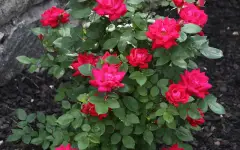 RosesRosa hybrids..bushmoderate water, Central Valley2.67 gal/sq ft in July
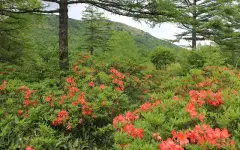 AzaleasRhododendron spp. (CA native and non-native spp.)moderate water, Central Valley2.67 gal/sq ft in July
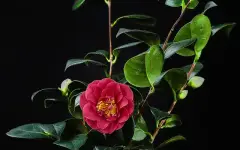 CamelliasCamellia japonica (SHADE IN DESERT)moderate water, Central Valley2.67 gal/sq ft in July
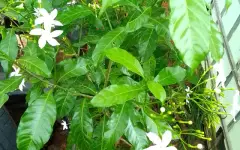 GardeniasGardenia spp. & cvs.moderate water, Central Valley2.67 gal/sq ft in July
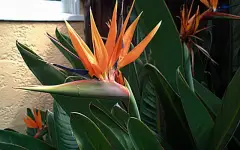 Bird of ParadiseStrelitzia reginae (shade in desert)moderate water, Central Valley2.67 gal/sq ft in July
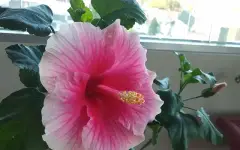 HibiscusHibiscus rosa-sinensismoderate water, Central Valley2.67 gal/sq ft in July
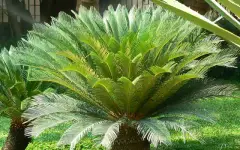 Sago PalmCycas revolutamoderate water, Central Valley2.67 gal/sq ft in July
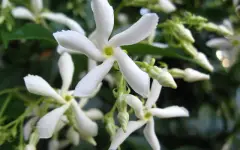 Star JasmineTrachelospermum jasminoides and cvs.moderate water, Central Valley2.67 gal/sq ft in July
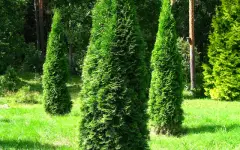 ArborvitaeThuja occidentalis ssp. & cvs.moderate water, Central Valley2.67 gal/sq ft in July
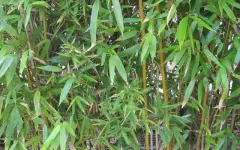 BambooBambusa spp.moderate water, Central Valley2.67 gal/sq ft in July
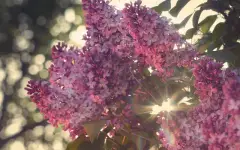 LilacsSyringa hybrids (including Descanso hybrids)moderate water, Central Valley2.67 gal/sq ft in July
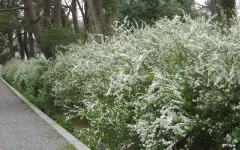 SpireaSpiraea spp. (CA native and non native spp.)moderate water, Central Valley2.67 gal/sq ft in July
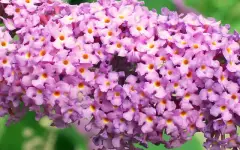 Butterfly BushBuddleja davidii and hybridsmoderate water, Central Valley2.67 gal/sq ft in July
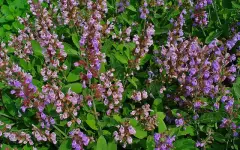 SageSalvia officinalis and cvs.moderate water, Central Valley2.67 gal/sq ft in July
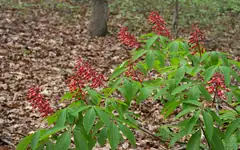 Red BuckeyeAesculus paviamoderate water, Central Valley2.67 gal/sq ft in July
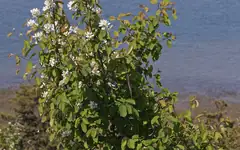 Western ServiceberryAmelanchier alnifoliamoderate water, Central Valley2.67 gal/sq ft in July
Similar plants that need less water 16
Rated lower than sasanqua camellia in the Central Valley. Worth a look for a new bed or a lawn replacement.
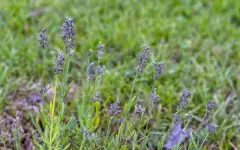 LavenderLavandula spp. & cvs.low water, Central Valley1.07 gal/sq ft in July
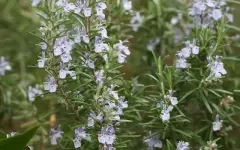 RosemaryRosmarinus officinalislow water, Central Valley1.07 gal/sq ft in July
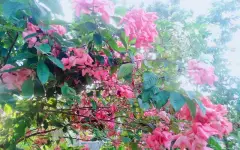 BougainvilleaBougainvillea & spp. & cvs.low water, Central Valley1.07 gal/sq ft in July
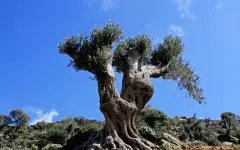 Olive TreesOlea europaea ssp. & cvs.low water, Central Valley1.07 gal/sq ft in July
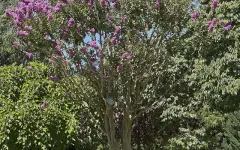 Crape MyrtleLagerstroemia spp., hybrids & cvs.low water, Central Valley1.07 gal/sq ft in July
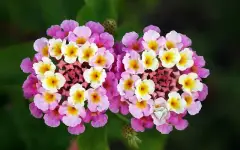 LantanaLantana camara ssp. & cvs.low water, Central Valley1.07 gal/sq ft in July
 SalviaSalvia greggii ssp., cvs. & hybridslow water, Central Valley1.07 gal/sq ft in July
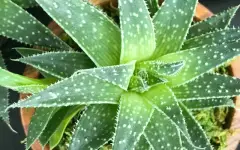 AloeAloe spp. & cvs.low water, Central Valley1.07 gal/sq ft in July
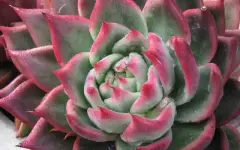 SucculentsEcheveria spp. & cvs.low water, Central Valley1.07 gal/sq ft in July
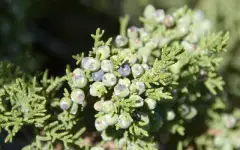 JunipersJuniperus spp. & cvs.low water, Central Valley1.07 gal/sq ft in July
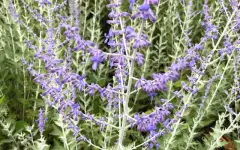 Russian SagePerovskia spp. & cvs.low water, Central Valley1.07 gal/sq ft in July
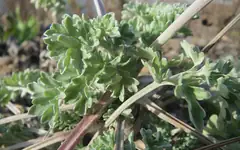 SagebrushArtemisia spp. (shrubby)low water, Central Valley1.07 gal/sq ft in July
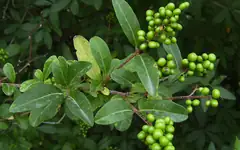 Wild PrivetLigustrum vulgarelow water, Central Valley1.07 gal/sq ft in July
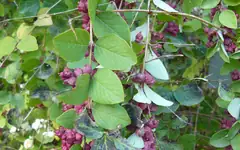 CoralberrySymphoricarpos orbiculatus (SHADE)low water, Central Valley1.07 gal/sq ft in July
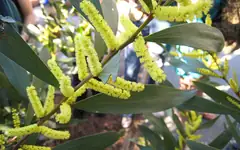 Sydney Golden WattleAcacia longifolialow water, Central Valley1.07 gal/sq ft in July
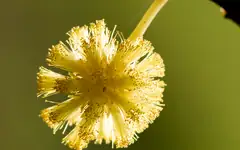 Blue Leaf WattleAcacia salignalow water, Central Valley1.07 gal/sq ft in July
Turn this into minutes on your water days
Every city page has a calculator that takes sasanqua camellia, your sprinkler type and the month, and gives the minutes per water day for that supplier's schedule. Or put it in a zone of the personal watering plan and get all twelve months printed.
Questions people ask
How often should I water sasanqua camellia in summer?
In July, established sasanqua camellia in loam needs a deep watering about every 8 days in the Central Valley, about every 11 days on the south coast and about every 9 days in the South Inland zone. Sandy soil holds less water, so waterings come closer together. Clay stretches them. Check the soil before each watering and skip one after a soaking rain.
How much water does sasanqua camellia need per day?
In July in the Central Valley, established sasanqua camellia needs about 1.1 gallons a day for a plant 4 feet across and about 4.3 gallons a day for a plant 8 feet across. Give it in deep waterings spread days apart rather than a little every day, so the whole root zone gets wet.
Does watering for sasanqua camellia change across California?
Yes. WUCOLS rates sasanqua camellia separately for each of the six California climate zones: moderate water in the North-Central Coastal zone, moderate water in the Central Valley zone, moderate water in the South Coastal zone, moderate water in the South Inland zone, not suited to this region in the High and Intermediate Desert zone, moderate water in the Low Desert zone. The monthly table above shows how the same rating translates into different gallon amounts as reference evapotranspiration changes.
When does sasanqua camellia bloom?
It flowers from late fall into winter, earlier than most camellias. Each plant blooms for four to six weeks. Plant it where winter color is welcome.
When should I prune sasanqua camellia?
Prune soon after it flowers. Next year's blooms form on older growth. It can be trained as a small tree.
Why are my camellia leaves yellow with green veins?
That is chlorosis, often from alkaline soil. Camellias need neutral to acidic soil. Adding iron chelates to the soil can treat it.
Is sasanqua camellia hard to grow in heat?
It appreciates shelter from afternoon sun. In hot inland and desert gardens, plant it in shade. Keep the root zone mulched.
What pests bother sasanqua camellia?
Scale insects are the most troublesome. Aphids and spider mites also appear. Check the undersides of leaves.
More plant watering guides
Sources
- WUCOLS IV plant water use classification for Camellia sasanqua (SHADE IN DESERT), the University of California survey California agencies use for landscape plan reviewRead August 23, 2026 on wucols.ucdavis.edu
- Model Water Efficient Landscape Ordinance, adopted text and appendices, effective 2025-01-02 · monthly reference evapotranspiration per city, Appendix CRead August 23, 2026 on water.ca.gov/-/media/DWR-Website/Web-Pages/Programs/Water-Use-And-Efficiency/MWELO-Rulemaking/Final-MWELO-Text-and-Appendices_20250103.pdf
- UC Statewide IPM Program, irrigation scheduling using evapotranspirationRead September 30, 2026 on ipm.ucanr.edu/PMG/GARDEN/ENVIRON/evap.html
- Shaw and Pittenger, Landscape Irrigation System Evaluation and Management, UC Cooperative Extension, 2009Read September 30, 2026 on ucanr.edu/sites/default/files/2013-02/160836.pdf
- Pittenger, Water Management in Gardens and Landscapes, UC Riverside, 2017Read September 30, 2026 on ucanr.edu/sites/default/files/2017-03/258022.pdf