How often to water creeping red fescue in California
In July in the Central Valley, established creeping red fescue needs about 1.9 gallons a week for a plant 2 feet across. Creeping red fescue is a fine-textured, cool-season grass native across much of the Northern Hemisphere, including much of California. It spreads by creeping rhizomes into a soft, rough turf of narrow green or blue-gray blades. Mowed, it makes a lawn for shady spots, and left alone it grows into an arching meadow 1 to 2 feet tall. It likes cool weather and well-drained soil.
How often to water creeping red fescue, month by month
Type your city above and the days between waterings and the gallons appear here, worked out from your city's climate table. Or read the figures by climate zone further down.
How this is worked out: the plant’s WUCOLS rating times your city’s climate for the month, over the area the plant covers. Skip a watering after a good soaking rain.
How to tell it needs water
- A screwdriver that pushes in hard through dry soil under the turf says the root zone needs a soaking
- Turf going tan and slowing in hot weather can be the summer dormancy of a cool-season grass rather than simple thirst
- Ground that squelches underfoot hours after watering means too much water for a grass that needs good drainage
- Thin or bare spots after heavy wear fill in slowly, since this grass rebounds slowly from damage
- Runners showing up beyond the bed edge come from creeping rhizomes, not from extra water
How to water it
- Spread water evenly over the whole planting so the sod is moist about 6 inches down
- Wait until the top inch or two of soil has dried before running the next soaking
- Sow seed in late fall for best results, and keep the seedbed moist until the grass knits together
- Mow at 2 to 3 inches, or skip mowing for a loose meadow look
- Grow it in well-drained soil in sun or part shade, choosing a shadier spot in hot inland gardens
Through the seasons
Plant seed or plugs in late fall, and keep them moist until they knit into turf. Established grass grows most in the cool months and often goes dormant in summer heat, when hot climates also bring summer diseases. Flower stems with tawny heads rise from spring into summer. WUCOLS rates creeping red fescue low water on the north-central coast. In the Central Valley, on the south coast, in South Inland and in the low desert, it rates moderate water. WUCOLS has not evaluated it for the high desert. Winter rain usually keeps it green on the coast and in the Central Valley.
In pots
Creeping red fescue can carpet a wide, shallow planter or soften the edge of a large container. Fill it with a well-drained potting mix, and make sure the base has drainage holes. In summer heat, check the mix every couple of days and water when the top inch feels dry. Water until it seeps from the bottom, then pour off what collects in the saucer. Shear the blades if you want a level surface. In winter, water only after the mix dries.
- A year
- 17.11 gal per sq ft
- Reference
- Sacramento climate table
- Counts
- Plant need, before sprinkler losses
Monthly water need by climate zone
Creeping Red Fescue: gallons per square foot per month, by WUCOLS climate zone
| Month | N. Coast | C. Valley | S. Coast | S. Inland | Hi Desert | Lo Desert |
|---|---|---|---|---|---|---|
| Jan | 0.15 | 0.4 | 0.78 | 0.78 | – | 0.78 |
| Feb | 0.21 | 0.65 | 0.81 | 0.87 | – | 0.93 |
| Mar | 0.35 | 1.09 | 1.15 | 1.3 | – | 1.52 |
| Apr | 0.47 | 1.52 | 1.4 | 1.61 | – | 1.95 |
| May | 0.58 | 2.08 | 1.61 | 1.95 | – | 2.45 |
| Jun | 0.64 | 2.48 | 1.74 | 2.29 | – | 2.79 |
| Jul | 0.64 | 2.67 | 1.98 | 2.51 | – | 2.85 |
| Aug | 0.6 | 2.39 | 1.86 | 2.33 | – | 2.6 |
| Sep | 0.5 | 1.8 | 1.49 | 1.86 | – | 2.08 |
| Oct | 0.35 | 1.18 | 1.15 | 1.33 | – | 1.49 |
| Nov | 0.19 | 0.56 | 0.84 | 0.9 | – | 0.96 |
| Dec | 0.12 | 0.34 | 0.65 | 0.68 | – | 0.68 |
| Year | 4.8 | 17.11 | 15.5 | 18.41 | – | 21.08 |
How this is worked out: the WUCOLS water rating for each zone times that zone’s climate for the month. A dash means WUCOLS does not rate the plant there. The figures are what the plant uses, before sprinkler losses.
Plants with the same water needs 16
Rated moderate water in the Central Valley, like creeping red fescue. Plants that drink alike can share one valve and one schedule.
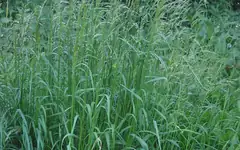 Tall Oat GrassArrhenatherum elatiusmoderate water, Central Valley2.67 gal/sq ft in July
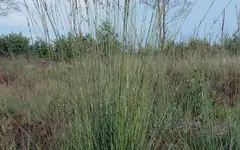 Purple Moor GrassMolinia caeruleamoderate water, Central Valley2.67 gal/sq ft in July
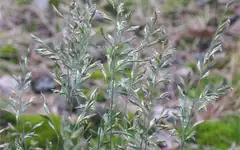 Sheep FescueFestuca ovina and cvs.moderate water, Central Valley2.67 gal/sq ft in July
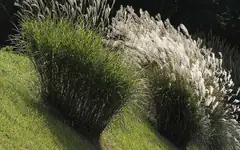 Eulalia GrassMiscanthus sinensis ssp. & cvsmoderate water, Central Valley2.67 gal/sq ft in July
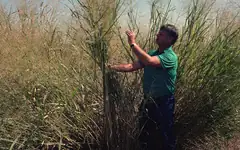 Switch GrassPanicum virgatum ssp. & cvs.moderate water, Central Valley2.67 gal/sq ft in July
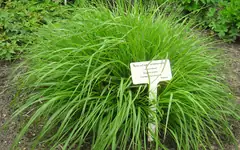 Black PennisetumPennisetum alopecuroides ssp. & cvs.moderate water, Central Valley2.67 gal/sq ft in July
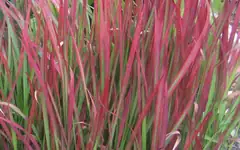 Blood GrassImperata cylindrica ssp. & cvs.moderate water, Central Valley2.67 gal/sq ft in July
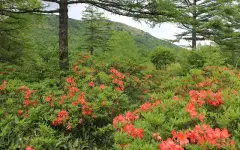 AzaleasRhododendron spp. (CA native and non-native spp.)moderate water, Central Valley2.67 gal/sq ft in July
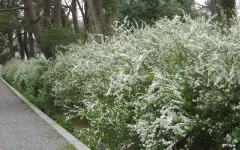 SpireaSpiraea spp. (CA native and non native spp.)moderate water, Central Valley2.67 gal/sq ft in July
 StrawberriesFragaria spp. & cvs. (CA native and non-natives species)moderate water, Central Valley2.67 gal/sq ft in July
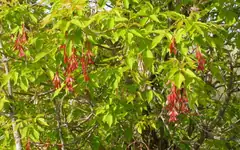 Box ElderAcer negundomoderate water, Central Valley2.67 gal/sq ft in July
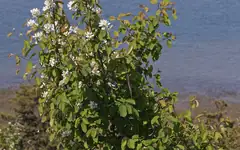 Western ServiceberryAmelanchier alnifoliamoderate water, Central Valley2.67 gal/sq ft in July
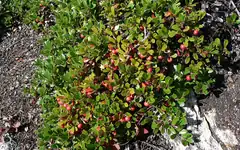 Green Supreme ManzanitaArctostaphylos uva-ursi 'Green Supreme'moderate water, Central Valley2.67 gal/sq ft in July
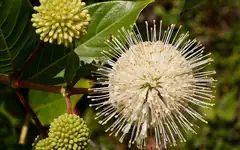 ButtonbushCephalanthus occidentalismoderate water, Central Valley2.67 gal/sq ft in July
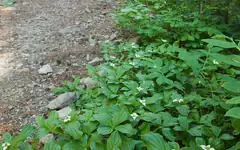 BunchberryCornus canadensismoderate water, Central Valley2.67 gal/sq ft in July
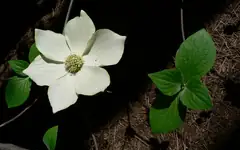 Mountain DogwoodCornus nuttalliimoderate water, Central Valley2.67 gal/sq ft in July
Similar plants that need less water 16
Rated lower than creeping red fescue in the Central Valley. Worth a look for a new bed or a lawn replacement.
 Quaking GrassBriza medialow water, Central Valley1.07 gal/sq ft in July
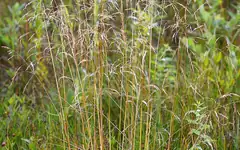 Tufted HairgrassDeschampsia cespitosa and cvs.low water, Central Valley1.07 gal/sq ft in July
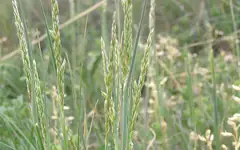 June GrassKoeleria macrantha (cristata)low water, Central Valley1.07 gal/sq ft in July
 False Esparto GrassLygeum spartumlow water, Central Valley1.07 gal/sq ft in July
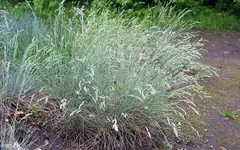 Blue FescueFestuca glauca ssp. & cvs.low water, Central Valley1.07 gal/sq ft in July
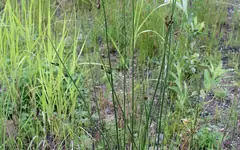 Baltic RushJuncus balticuslow water, Central Valley1.07 gal/sq ft in July
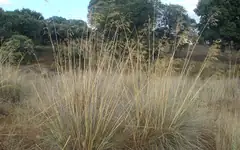 Giant Needle GrassStipa gigantealow water, Central Valley1.07 gal/sq ft in July
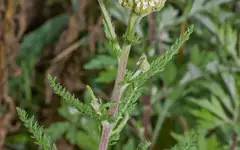 California Native YarrowAchillea millefolium (CA native cultivars)low water, Central Valley1.07 gal/sq ft in July
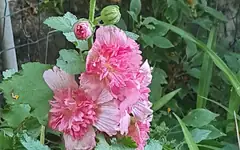 Perennial HollyhockAlcea rosea cvs.low water, Central Valley1.07 gal/sq ft in July
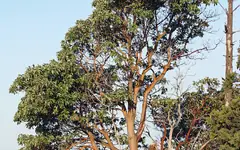 MadroneArbutus menziesiilow water, Central Valley1.07 gal/sq ft in July
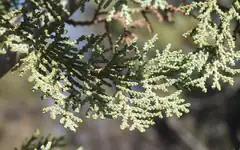 MacNab CypressHesperocyparis macnabiana (Cupressus macnabiana)low water, Central Valley1.07 gal/sq ft in July
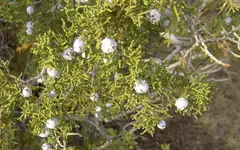 California JuniperJuniperus californicalow water, Central Valley1.07 gal/sq ft in July
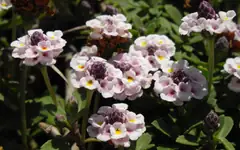 Lippia GroundcoverPhyla nodiflora (Lippia nodiflora) cvs.low water, Central Valley1.07 gal/sq ft in July
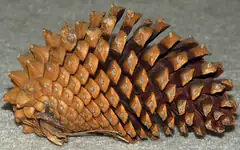 Knobcone PinePinus attenuatalow water, Central Valley1.07 gal/sq ft in July
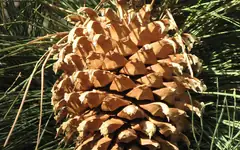 Coulter PinePinus coulterilow water, Central Valley1.07 gal/sq ft in July
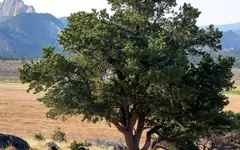 Pinyon PinePinus edulislow water, Central Valley1.07 gal/sq ft in July
Turn this into minutes on your water days
Every city page has a calculator that takes creeping red fescue, your sprinkler type and the month, and gives the minutes per water day for that supplier's schedule. Or put it in a zone of the personal watering plan and get all twelve months printed.
Questions people ask
How much should I water creeping red fescue in summer?
In July, established creeping red fescue needs about 1.9 gallons in the Central Valley, 1.4 gallons on the south coast and 1.8 gallons in the South Inland zone each week, for a plant 2 feet across. Water deeply and let the top of the soil dry before the next watering. Skip a watering after a soaking rain.
How much water does creeping red fescue need per day?
In July in the Central Valley, established creeping red fescue needs about 0.3 gallons a day for a plant 2 feet across and about 1.1 gallons a day for a plant 4 feet across. Give it in deep waterings spread days apart rather than a little every day, so the whole root zone gets wet.
Does watering for creeping red fescue change across California?
Yes. WUCOLS rates creeping red fescue separately for each of the six California climate zones: low water in the North-Central Coastal zone, moderate water in the Central Valley zone, moderate water in the South Coastal zone, moderate water in the South Inland zone, not evaluated in the High and Intermediate Desert zone, moderate water in the Low Desert zone. The monthly table above shows how the same rating translates into different gallon amounts as reference evapotranspiration changes.
Can creeping red fescue be used as a lawn?
Yes. It is one of the finest-textured cool-season lawn grasses, and it can be mowed or left natural. It rebounds slowly from damage, so keep heavy foot traffic off it.
Does creeping red fescue grow in shade?
Yes. It is highly tolerant of shade and does well in part or dappled shade. It also handles the dappled light under a high tree canopy.
Is creeping red fescue native to California?
Yes. Red fescue grows wild in much of California, including along the coast. Selections such as 'Point Joe' and 'Molate' are grown as low groundcovers.
Why does my red fescue turn brown in summer?
As a cool-season grass it often goes dormant in summer heat, and hot climates also bring summer diseases. In hot inland gardens, a spot with afternoon shade suits it better.
Can you overwater creeping red fescue?
Yes. It needs well-drained soil, and turf that stays soggy suffers. Let the top of the soil dry before each deep watering.
How tall does creeping red fescue get?
Left unmowed, it reaches 1 to 2 feet with arching blades. Low selections such as 'Molate' stay 6 to 12 inches tall. As a lawn, it is kept at 2 to 3 inches.
More plant watering guides
Sources
- WUCOLS IV plant water use classification for Festuca rubra ssp. & cvs., the University of California survey California agencies use for landscape plan reviewRead August 23, 2026 on wucols.ucdavis.edu
- Model Water Efficient Landscape Ordinance, adopted text and appendices, effective 2025-01-02 · monthly reference evapotranspiration per city, Appendix CRead August 23, 2026 on water.ca.gov/-/media/DWR-Website/Web-Pages/Programs/Water-Use-And-Efficiency/MWELO-Rulemaking/Final-MWELO-Text-and-Appendices_20250103.pdf
- UC Statewide IPM Program, irrigation scheduling using evapotranspirationRead September 30, 2026 on ipm.ucanr.edu/PMG/GARDEN/ENVIRON/evap.html
- Shaw and Pittenger, Landscape Irrigation System Evaluation and Management, UC Cooperative Extension, 2009Read September 30, 2026 on ucanr.edu/sites/default/files/2013-02/160836.pdf
- Pittenger, Water Management in Gardens and Landscapes, UC Riverside, 2017Read September 30, 2026 on ucanr.edu/sites/default/files/2017-03/258022.pdf