How often to water organ pipe cactus in California
In July on the south coast, established organ pipe cactus in loam needs a deep soak only about once a month or less: about 8.8 gallons each time for a plant 4 feet across. Organ pipe cactus is a slow-growing Sonoran Desert cactus that branches from near the ground into a clump of tall stems. It stores water in its pulpy flesh and needs little irrigation once established. Frost limits where it can grow, and soil that stays wet can lead to root rot.
How often to water organ pipe cactus, month by month
Type your city above and the days between waterings and the gallons appear here, worked out from your city's climate table. Or read the figures by climate zone further down.
How this is worked out: established roots fill the top 1.5 feet of soil, and you water again when that soil has dried halfway. Loam soil holds about 1.5 inches of water per foot. Water the whole area the plant covers, and skip a watering after a good soaking rain.
How to tell it needs water
- Soil that has dried several inches down around the clump during the warm growing season is the cue for a deep soak
- Soil still damp days after a soak, especially in cool weather, means water is sitting where root rot can start
- Wavy rings or pinched bands near the stem tips record past frost damage, not a watering problem
- Bleached, yellow-white patches after a move into full sun point to sunscald, which extra water will not fix
- Little visible growth from one season to the next is normal for this slow grower and is not a sign of thirst
How to water it
- Water the soil in a wide ring around the base of the clump with a slow hose or drip, keeping water off the stems
- Soak deeply during the warm growing season, then let the soil dry thoroughly before watering again
- Plant in full sun in well-drained soil, using a mound or slope where heavy clay holds water
- Use a gravel or rock mulch rather than bark, in keeping with the rocky slopes where it grows wild
- Widen the watered ring as the clump adds stems, since it can spread as wide as it is tall
Through the seasons
Give a newly planted organ pipe cactus occasional deep soaks through its first warm season, letting the soil dry between them. Established plants do most of their growing in summer and need only an occasional deep soak then. Growth slows in the cool months, when wet ground invites rot, so add little or no water. Flowers open at night from late spring into summer. WUCOLS rates organ pipe cactus very low water on the south coast and in the low desert. It rates low water in South Inland. On the south coast, winter rain usually covers the cool months. In the low desert, check the soil during long dry spells. WUCOLS marks it as not suited to the north-central coast, the Central Valley or the high desert.
In pots
Grow a potted organ pipe cactus in a coarse, sandy cactus mix in a container with drainage holes. In summer heat, test the mix with a finger every few days. Water only when it is dry a couple of inches down and no longer clings to your skin. Learning how light the pot feels when dry gives a quick second check. Water until it drains, then empty the saucer. A tall plant needs a pot at least half as wide as the plant is tall. In winter, keep the mix much drier and move the pot under cover on frosty nights, since young plants are tender below 30°F.
- A year
- no figure
- Reference
- Sacramento climate table
- Counts
- Plant need, before sprinkler losses
WUCOLS lists Organ Pipe Cactus as not suited to this region for the Central Valley zone, so no monthly figure is computed here.
Monthly water need by climate zone
Organ Pipe Cactus: gallons per square foot per month, by WUCOLS climate zone
| Month | N. Coast | C. Valley | S. Coast | S. Inland | Hi Desert | Lo Desert |
|---|---|---|---|---|---|---|
| Jan | – | – | 0.08 | 0.31 | – | 0.08 |
| Feb | – | – | 0.08 | 0.35 | – | 0.09 |
| Mar | – | – | 0.11 | 0.52 | – | 0.15 |
| Apr | – | – | 0.14 | 0.64 | – | 0.2 |
| May | – | – | 0.16 | 0.78 | – | 0.24 |
| Jun | – | – | 0.17 | 0.92 | – | 0.28 |
| Jul | – | – | 0.2 | 1 | – | 0.29 |
| Aug | – | – | 0.19 | 0.93 | – | 0.26 |
| Sep | – | – | 0.15 | 0.74 | – | 0.21 |
| Oct | – | – | 0.11 | 0.53 | – | 0.15 |
| Nov | – | – | 0.08 | 0.36 | – | 0.1 |
| Dec | – | – | 0.07 | 0.27 | – | 0.07 |
| Year | – | – | 1.55 | 7.37 | – | 2.11 |
How this is worked out: the WUCOLS water rating for each zone times that zone’s climate for the month. A dash means WUCOLS does not rate the plant there. The figures are what the plant uses, before sprinkler losses.
Plants with the same water needs 16
Rated not suited to this region in the Central Valley, like organ pipe cactus. Plants that drink alike can share one valve and one schedule.
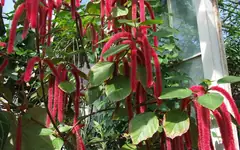 Chenille PlantAcalypha hispidanot rated, Central Valleyno Central Valley rating
 CopperleafAcalypha wilkesiananot rated, Central Valleyno Central Valley rating
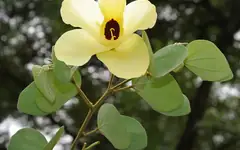 Yellow Bell BauhiniaBauhinia tomentosanot rated, Central Valleyno Central Valley rating
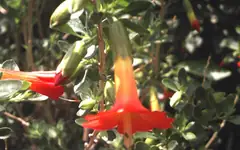 Magic FlowerCantua buxifolianot rated, Central Valleyno Central Valley rating
 Clustered Fishtail PalmCaryota mitisnot rated, Central Valleyno Central Valley rating
 Hawaiian TiCordyline fruticosa (Cordyline terminalis)not rated, Central Valleyno Central Valley rating
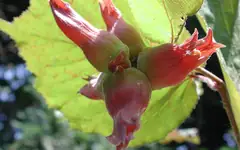 FilbertCorylus maximanot rated, Central Valleyno Central Valley rating
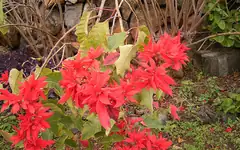 PoinsettiaEuphorbia pulcherrimanot rated, Central Valleyno Central Valley rating
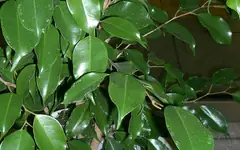 Weeping Chinese BanyanFicus benjaminanot rated, Central Valleyno Central Valley rating
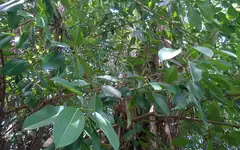 Rubber PlantFicus elasticanot rated, Central Valleyno Central Valley rating
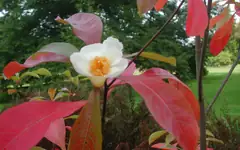 Franklin TreeFranklinia alatamaha (Gordonia alatamaha)not rated, Central Valleyno Central Valley rating
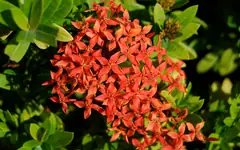 Jungle GeraniumIxora coccineanot rated, Central Valleyno Central Valley rating
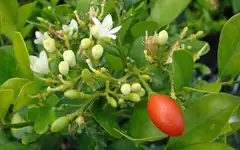 Orange JessamineMurraya paniculatanot rated, Central Valleyno Central Valley rating
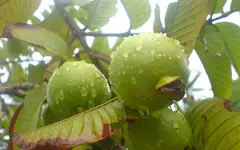 Common GuavaPsidium guajavanot rated, Central Valleyno Central Valley rating
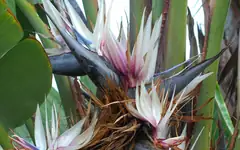 Giant Bird of ParadiseStrelitzia nicolai (shade in desert)not rated, Central Valleyno Central Valley rating
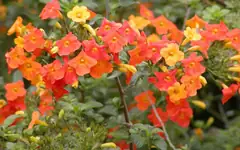 Marmalade BushStreptosolen jamesoniinot rated, Central Valleyno Central Valley rating
Turn this into minutes on your water days
Every city page has a calculator that takes organ pipe cactus, your sprinkler type and the month, and gives the minutes per water day for that supplier's schedule. Or put it in a zone of the personal watering plan and get all twelve months printed.
Questions people ask
How often should I water organ pipe cactus in summer?
In July, established organ pipe cactus in loam needs a deep watering about once a month or less on the south coast and about every 22 days in the South Inland zone. Sandy soil holds less water, so waterings come closer together. Clay stretches them. Check the soil before each watering and skip one after a soaking rain.
How much water does organ pipe cactus need per day?
In July on the south coast, established organ pipe cactus needs about 0.1 gallons a day for a plant 4 feet across and about 0.3 gallons a day for a plant 8 feet across. Give it in deep waterings spread days apart rather than a little every day, so the whole root zone gets wet.
Does watering for organ pipe cactus change across California?
Yes. WUCOLS rates organ pipe cactus separately for each of the six California climate zones: not suited to this region in the North-Central Coastal zone, not suited to this region in the Central Valley zone, very low water in the South Coastal zone, low water in the South Inland zone, not suited to this region in the High and Intermediate Desert zone, very low water in the Low Desert zone. The monthly table above shows how the same rating translates into different gallon amounts as reference evapotranspiration changes.
How cold can organ pipe cactus get?
Young plants are tender below 30°F. Mature plants can take about 26°F, though their stem tips may still need covering. A prolonged freeze can kill the whole plant.
Why does my organ pipe cactus have wavy rings on its stems?
Those bands are a record of past frost. Freezing kills the young tissue at the stem tips, and when growth resumes it leaves an indentation or wave. Watering neither causes nor repairs the marks.
Why have I never seen my organ pipe cactus flower?
Its flowers open only at night and close again by mid-morning, so they are easy to miss. A plant usually does not bloom until it is about 4 feet tall. In the wild, bats are the main pollinators.
Where should I plant organ pipe cactus?
Choose full sun, well-drained soil and the warmest spot you have. Keep it away from walkways, since the clump can grow as wide as it is tall and needs no pruning. In the wild it favors south-facing rocky slopes.
Can you overwater organ pipe cactus?
Yes. Overwatering is the most common cause of trouble with cacti, and wet soil during the slow winter months can lead to root rot. Let the soil dry thoroughly between soaks.
How fast does organ pipe cactus grow?
Slowly. Wild plants add only about 2.5 inches a year, with most growth during the summer rains. A wild seedling stays just a few inches tall for its first ten years, so buy a plant close to the size you want.
More plant watering guides
Sources
- WUCOLS IV plant water use classification for Stenocereus thurberi (Lemaireocereus thurberi), the University of California survey California agencies use for landscape plan reviewRead August 23, 2026 on wucols.ucdavis.edu
- Model Water Efficient Landscape Ordinance, adopted text and appendices, effective 2025-01-02 · monthly reference evapotranspiration per city, Appendix CRead August 23, 2026 on water.ca.gov/-/media/DWR-Website/Web-Pages/Programs/Water-Use-And-Efficiency/MWELO-Rulemaking/Final-MWELO-Text-and-Appendices_20250103.pdf
- UC Statewide IPM Program, irrigation scheduling using evapotranspirationRead September 30, 2026 on ipm.ucanr.edu/PMG/GARDEN/ENVIRON/evap.html
- Shaw and Pittenger, Landscape Irrigation System Evaluation and Management, UC Cooperative Extension, 2009Read September 30, 2026 on ucanr.edu/sites/default/files/2013-02/160836.pdf
- Pittenger, Water Management in Gardens and Landscapes, UC Riverside, 2017Read September 30, 2026 on ucanr.edu/sites/default/files/2017-03/258022.pdf