How often to water desert sage in California
In July in the Central Valley, established desert sage in loam needs a deep watering about every 8 days: about 8.8 gallons each time for a plant 4 feet across, about 7.6 gallons a week. Desert sage, also called purple sage, is a low, aromatic shrub from the high deserts and dry mountain slopes of the West. Its silvery gray leaves stay on all year, and blue flowers with reddish purple bracts open in spring. It needs sharp drainage above all. Wet clay is a bigger threat to it than a dry spell, though valley and low desert heat still call for summer soil checks.
How often to water desert sage, month by month
Type your city above and the days between waterings and the gallons appear here, worked out from your city's climate table. Or read the figures by climate zone further down.
How this is worked out: established roots fill the top 1.5 feet of soil, and you water again when that soil has dried halfway. Loam soil holds about 1.5 inches of water per foot. Water the whole area the plant covers, and skip a watering after a good soaking rain.
How to tell it needs water
- Soil dry 3 to 4 inches down around a young purple sage in its first summer means it is ready for a soak
- Gray leaves that hang limp into the cool of morning, with dry soil below, point to real thirst rather than afternoon heat
- Old flower clusters drying on the stems after spring bloom are normal, since they hold their color for weeks
- A plant that wilts and browns while clay or drip-watered soil stays wet is suffering from too much water, not too little
How to water it
- Plant purple sage in full sun in sand, gravel or decomposed granite that drains fast
- In heavy clay, build a broad mound of sand or gravel and set the plant high on it rather than down in the clay
- Water a new plant over its root ball and the soil just beyond it, then let the top few inches dry before the next soak
- Do not keep it on frequent drip in clay, where constantly wet roots fail
- Site it in open ground away from trees and watered lawns, with gravel rather than bark around its base
Through the seasons
Water a new purple sage through its first summer, letting the soil dry a few inches between soaks while roots spread. After that, how much help it needs depends on the zone. It keeps its gray, aromatic leaves through winter. Flowers come in spring, and a light tip pruning after bloom keeps it tidy. In the Central Valley, winter rain covers the cool months, but summer heat calls for regular soil checks. WUCOLS rates desert sage moderate water in the Central Valley and in the low desert. It rates low water in South Inland and in the high desert. WUCOLS marks it as not suited to the north-central coast or the south coast.
In pots
Purple sage can live in a large pot if the mix drains as fast as the sand and gravel it grows in. Use a pot with wide drainage holes and add plenty of grit to the mix. Set it in full sun. Check the mix 2 to 3 inches down every few days in summer, and more often in Central Valley or low desert heat. Water only when it is dry there, until water runs from the holes, then empty the saucer at once. In winter, let the mix dry well between waterings. The plant handles cold far better than wet roots.
- A year
- 17.11 gal per sq ft
- Reference
- Sacramento climate table
- Counts
- Plant need, before sprinkler losses
Monthly water need by climate zone
Desert Sage: gallons per square foot per month, by WUCOLS climate zone
| Month | N. Coast | C. Valley | S. Coast | S. Inland | Hi Desert | Lo Desert |
|---|---|---|---|---|---|---|
| Jan | – | 0.4 | – | 0.31 | 0.3 | 0.78 |
| Feb | – | 0.65 | – | 0.35 | 0.37 | 0.93 |
| Mar | – | 1.09 | – | 0.52 | 0.58 | 1.52 |
| Apr | – | 1.52 | – | 0.64 | 0.76 | 1.95 |
| May | – | 2.08 | – | 0.78 | 0.95 | 2.45 |
| Jun | – | 2.48 | – | 0.92 | 1.14 | 2.79 |
| Jul | – | 2.67 | – | 1 | 1.22 | 2.85 |
| Aug | – | 2.39 | – | 0.93 | 1.12 | 2.6 |
| Sep | – | 1.8 | – | 0.74 | 0.86 | 2.08 |
| Oct | – | 1.18 | – | 0.53 | 0.58 | 1.49 |
| Nov | – | 0.56 | – | 0.36 | 0.37 | 0.96 |
| Dec | – | 0.34 | – | 0.27 | 0.26 | 0.68 |
| Year | – | 17.11 | – | 7.37 | 8.51 | 21.08 |
How this is worked out: the WUCOLS water rating for each zone times that zone’s climate for the month. A dash means WUCOLS does not rate the plant there. The figures are what the plant uses, before sprinkler losses.
Plants with the same water needs 16
Rated moderate water in the Central Valley, like desert sage. Plants that drink alike can share one valve and one schedule.
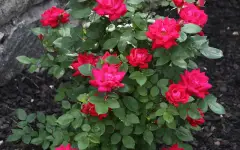 RosesRosa hybrids..bushmoderate water, Central Valley2.67 gal/sq ft in July
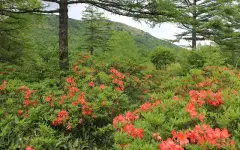 AzaleasRhododendron spp. (CA native and non-native spp.)moderate water, Central Valley2.67 gal/sq ft in July
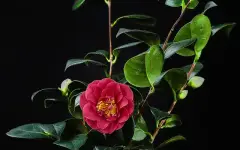 CamelliasCamellia japonica (SHADE IN DESERT)moderate water, Central Valley2.67 gal/sq ft in July
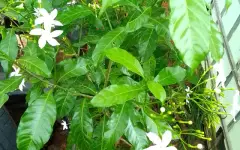 GardeniasGardenia spp. & cvs.moderate water, Central Valley2.67 gal/sq ft in July
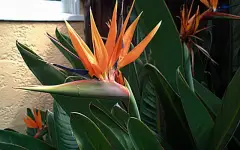 Bird of ParadiseStrelitzia reginae (shade in desert)moderate water, Central Valley2.67 gal/sq ft in July
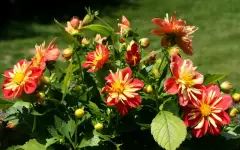 DahliasDahlia spp.moderate water, Central Valley2.67 gal/sq ft in July
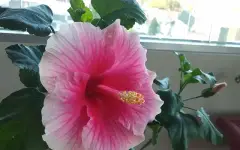 HibiscusHibiscus rosa-sinensismoderate water, Central Valley2.67 gal/sq ft in July
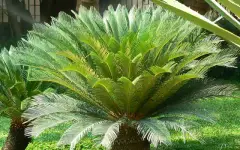 Sago PalmCycas revolutamoderate water, Central Valley2.67 gal/sq ft in July
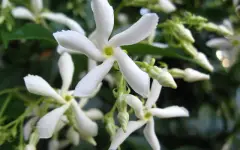 Star JasmineTrachelospermum jasminoides and cvs.moderate water, Central Valley2.67 gal/sq ft in July
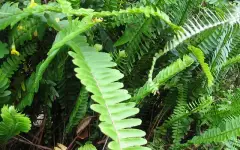 FernsNephrolepis cordifolia (SHADE IN DESERT)moderate water, Central Valley2.67 gal/sq ft in July
 DayliliesHemerocallis spp. & cvs.moderate water, Central Valley2.67 gal/sq ft in July
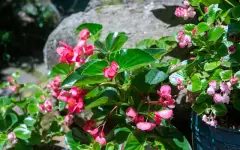 BegoniasBegonia & ssp. & cvs. (shade in the desert)moderate water, Central Valley2.67 gal/sq ft in July
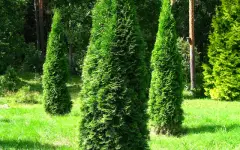 ArborvitaeThuja occidentalis ssp. & cvs.moderate water, Central Valley2.67 gal/sq ft in July
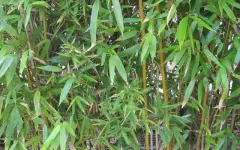 BambooBambusa spp.moderate water, Central Valley2.67 gal/sq ft in July
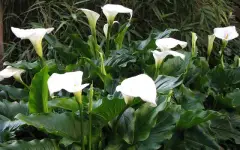 Calla LiliesZantedeschia aethiopica SHADE IN DESERTmoderate water, Central Valley2.67 gal/sq ft in July
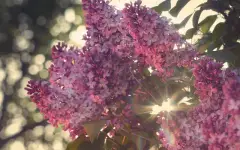 LilacsSyringa hybrids (including Descanso hybrids)moderate water, Central Valley2.67 gal/sq ft in July
Similar plants that need less water 16
Rated lower than desert sage in the Central Valley. Worth a look for a new bed or a lawn replacement.
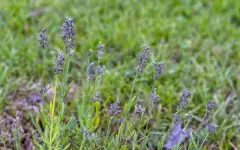 LavenderLavandula spp. & cvs.low water, Central Valley1.07 gal/sq ft in July
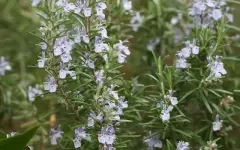 RosemaryRosmarinus officinalislow water, Central Valley1.07 gal/sq ft in July
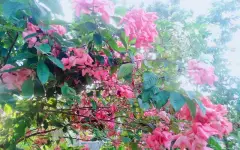 BougainvilleaBougainvillea & spp. & cvs.low water, Central Valley1.07 gal/sq ft in July
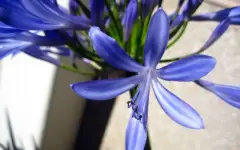 AgapanthusAgapanthus orientalislow water, Central Valley1.07 gal/sq ft in July
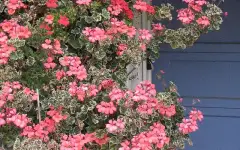 GeraniumsPelargonium x hortorum and cvs.low water, Central Valley1.07 gal/sq ft in July
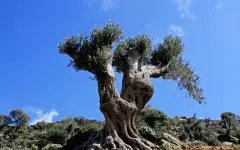 Olive TreesOlea europaea ssp. & cvs.low water, Central Valley1.07 gal/sq ft in July
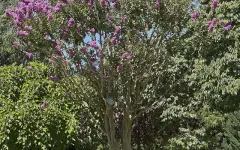 Crape MyrtleLagerstroemia spp., hybrids & cvs.low water, Central Valley1.07 gal/sq ft in July
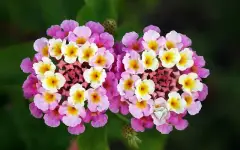 LantanaLantana camara ssp. & cvs.low water, Central Valley1.07 gal/sq ft in July
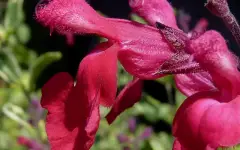 SalviaSalvia greggii ssp., cvs. & hybridslow water, Central Valley1.07 gal/sq ft in July
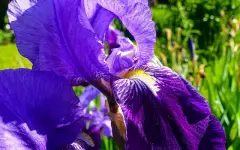 IrisesIris germanicalow water, Central Valley1.07 gal/sq ft in July
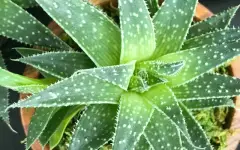 AloeAloe spp. & cvs.low water, Central Valley1.07 gal/sq ft in July
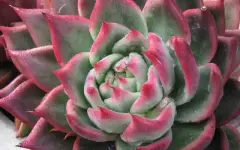 SucculentsEcheveria spp. & cvs.low water, Central Valley1.07 gal/sq ft in July
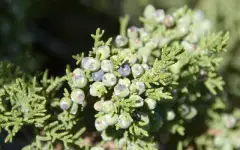 JunipersJuniperus spp. & cvs.low water, Central Valley1.07 gal/sq ft in July
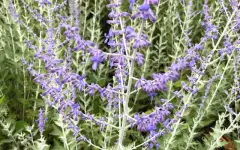 Russian SagePerovskia spp. & cvs.low water, Central Valley1.07 gal/sq ft in July
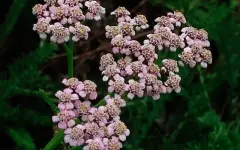 YarrowAchillea millefolium (non-native hybrids)low water, Central Valley1.07 gal/sq ft in July
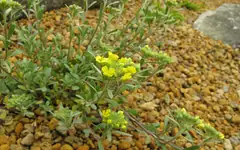 Mountain AlyssumAlyssum montanumlow water, Central Valley1.07 gal/sq ft in July
Turn this into minutes on your water days
Every city page has a calculator that takes desert sage, your sprinkler type and the month, and gives the minutes per water day for that supplier's schedule. Or put it in a zone of the personal watering plan and get all twelve months printed.
Questions people ask
How often should I water desert sage in summer?
In July, established desert sage in loam needs a deep watering about every 8 days in the Central Valley and about every 22 days in the South Inland zone. Sandy soil holds less water, so waterings come closer together. Clay stretches them. Check the soil before each watering and skip one after a soaking rain.
How much water does desert sage need per day?
In July in the Central Valley, established desert sage needs about 1.1 gallons a day for a plant 4 feet across and about 4.3 gallons a day for a plant 8 feet across. Give it in deep waterings spread days apart rather than a little every day, so the whole root zone gets wet.
Does watering for desert sage change across California?
Yes. WUCOLS rates desert sage separately for each of the six California climate zones: not suited to this region in the North-Central Coastal zone, moderate water in the Central Valley zone, not suited to this region in the South Coastal zone, low water in the South Inland zone, low water in the High and Intermediate Desert zone, moderate water in the Low Desert zone. The monthly table above shows how the same rating translates into different gallon amounts as reference evapotranspiration changes.
Is purple sage evergreen?
Yes. Its narrow, silvery gray-green leaves stay on the plant all year. They give off a minty scent when you brush or crush them. A gray winter look is normal and not a sign of drought.
When does purple sage bloom?
It flowers in spring, with blue to purplish blue flowers set off by reddish purple bracts. The spikes dry on the plant and stay showy for weeks or months. Prune only the tips, and only lightly, once bloom is over.
Can purple sage grow near the coast?
Not well. WUCOLS marks it as not suited to either coastal zone. Anyone trying it near the ocean should set it high on a mound of sand or gravel, unless the native soil is already gravelly.
Why did my purple sage die after planting?
Poor drainage is the usual cause. It grows wild on sand, volcanic rock and decomposed granite, and it does not survive wet clay on drip. Replant on a raised bed of sand or gravel and water only when the soil has dried.
How cold can purple sage take?
It is very cold hardy, rated to about minus 5 degrees F. Wild plants above Bishop have come through minus 10 degrees F. Cold is rarely the problem in a California garden, but winter wet in heavy soil can be.
Does purple sage attract wildlife?
Yes. It is a strong butterfly plant and draws other insects to its flowers. Deer tend to leave it alone. It suits a bird and butterfly garden that gets little water.
More plant watering guides
Sources
- WUCOLS IV plant water use classification for Salvia dorrii, the University of California survey California agencies use for landscape plan reviewRead August 23, 2026 on wucols.ucdavis.edu
- Model Water Efficient Landscape Ordinance, adopted text and appendices, effective 2025-01-02 · monthly reference evapotranspiration per city, Appendix CRead August 23, 2026 on water.ca.gov/-/media/DWR-Website/Web-Pages/Programs/Water-Use-And-Efficiency/MWELO-Rulemaking/Final-MWELO-Text-and-Appendices_20250103.pdf
- UC Statewide IPM Program, irrigation scheduling using evapotranspirationRead September 30, 2026 on ipm.ucanr.edu/PMG/GARDEN/ENVIRON/evap.html
- Shaw and Pittenger, Landscape Irrigation System Evaluation and Management, UC Cooperative Extension, 2009Read September 30, 2026 on ucanr.edu/sites/default/files/2013-02/160836.pdf
- Pittenger, Water Management in Gardens and Landscapes, UC Riverside, 2017Read September 30, 2026 on ucanr.edu/sites/default/files/2017-03/258022.pdf