How often to water cactus in California
In July in the Central Valley, established cactus in loam needs a deep soak only about once a month or less: about 8.8 gallons each time for a plant 4 feet across. Prickly pear stores water in thick, flat pads and asks little of the hose once rooted. It grows mainly in warm weather and needs soil that dries between soakings. Persistent dampness around the base can lead to soft rot even when the pads look thirsty.
How often to water cactus, month by month
Type your city above and the days between waterings and the gallons appear here, worked out from your city's climate table. Or read the figures by climate zone further down.
How this is worked out: established roots fill the top 1.5 feet of soil, and you water again when that soil has dried halfway. Loam soil holds about 1.5 inches of water per foot. Water the whole area the plant covers, and skip a watering after a good soaking rain.
How to tell it needs water
- Thin, wrinkled pads can signal that prickly pear has drawn down its stored water
- Soil dry 4 to 6 inches down across the shallow root spread supports a watering response to wrinkled pads
- Water soaked pads can follow freezing or rot, while yellow patches beneath white wax warrant checking for cochineal scales
- Soft, wet blackening at the base warrants a rot check, unlike firm, dry corking on an older plant
- Pads or ripening fruit that split can follow a heavy soak after prolonged dryness
How to water it
- Water a broad circle beyond the pads and widen it as the prickly pear clump spreads
- Soak the shallow root layer thoroughly, then wait until that soil dries before watering again
- Use drip or a slow hose at ground level so water reaches roots instead of running off pads
- Mulch with gravel or decomposed granite and keep damp organic material away from the base
- Plant on a mound, slope or raised bed in clay so water can drain away from the crown
Through the seasons
Give a young, rooted prickly pear occasional water through its first warm season, allowing the soil to dry between soakings. Established clumps need much less attention. Opuntia grows mainly in warm months and slows in the cold, so irrigation matters chiefly during long rainless stretches from spring through early fall. Coastal and Central Valley winter rain can supply its small cool-season need. Check young desert plants through prolonged mild, dry winter weather before deciding whether to soak. WUCOLS rates this cactus very low water in all six climate zones.
In pots
Potted prickly pear needs room for its spreading roots and a gritty, fast-draining mix. Check below the top couple of inches during summer heat, and wait if deeper mix is still damp. Once it dries, soak until water escapes the drainage holes and empty the saucer. Standing water can rot Opuntia roots. In cool weather, shelter the pot from persistent rain and reduce irrigation so the mix has time to dry.
- A year
- 1.71 gal per sq ft
- Reference
- Sacramento climate table
- Counts
- Plant need, before sprinkler losses
Monthly water need by climate zone
Cactus: gallons per square foot per month, by WUCOLS climate zone
| Month | N. Coast | C. Valley | S. Coast | S. Inland | Hi Desert | Lo Desert |
|---|---|---|---|---|---|---|
| Jan | 0.04 | 0.04 | 0.08 | 0.08 | 0.07 | 0.08 |
| Feb | 0.05 | 0.07 | 0.08 | 0.09 | 0.09 | 0.09 |
| Mar | 0.09 | 0.11 | 0.11 | 0.13 | 0.15 | 0.15 |
| Apr | 0.12 | 0.15 | 0.14 | 0.16 | 0.19 | 0.2 |
| May | 0.15 | 0.21 | 0.16 | 0.2 | 0.24 | 0.24 |
| Jun | 0.16 | 0.25 | 0.17 | 0.23 | 0.29 | 0.28 |
| Jul | 0.16 | 0.27 | 0.2 | 0.25 | 0.3 | 0.29 |
| Aug | 0.15 | 0.24 | 0.19 | 0.23 | 0.28 | 0.26 |
| Sep | 0.12 | 0.18 | 0.15 | 0.19 | 0.21 | 0.21 |
| Oct | 0.09 | 0.12 | 0.11 | 0.13 | 0.15 | 0.15 |
| Nov | 0.05 | 0.06 | 0.08 | 0.09 | 0.09 | 0.1 |
| Dec | 0.03 | 0.03 | 0.07 | 0.07 | 0.07 | 0.07 |
| Year | 1.2 | 1.71 | 1.55 | 1.84 | 2.13 | 2.11 |
How this is worked out: the WUCOLS water rating for each zone times that zone’s climate for the month. A dash means WUCOLS does not rate the plant there. The figures are what the plant uses, before sprinkler losses.
Plants with the same water needs 16
Rated very low water in the Central Valley, like cactus. Plants that drink alike can share one valve and one schedule.
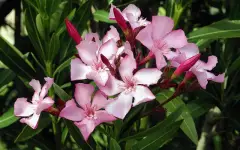 OleanderNerium oleander ssp. & cvs.very low water, Central Valley0.27 gal/sq ft in July
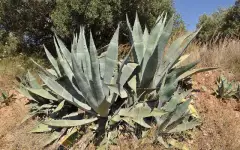 AgaveAgave americana (and thick-leaved relatives)very low water, Central Valley0.27 gal/sq ft in July
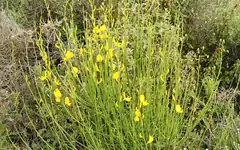 Spanish BroomSpartium junceumvery low water, Central Valley0.27 gal/sq ft in July
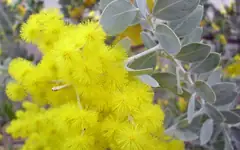 Pearl AcaciaAcacia podalyriifoliavery low water, Central Valley0.27 gal/sq ft in July
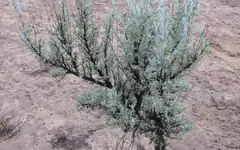 Big SagebrushArtemisia tridentatavery low water, Central Valley0.27 gal/sq ft in July
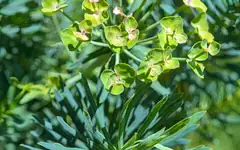 Cypress SpurgeEuphorbia cyparissiasvery low water, Central Valley0.27 gal/sq ft in July
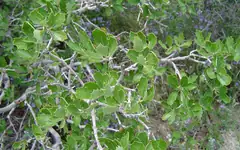 California Scrub OakQuercus berberidifoliavery low water, Central Valley0.27 gal/sq ft in July
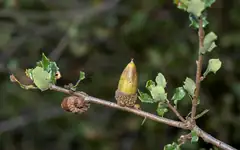 Nuttall's Scrub OakQuercus dumosavery low water, Central Valley0.27 gal/sq ft in July
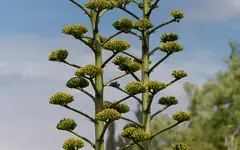 Variegated Century PlantAgave americana var. marginatavery low water, Central Valley0.27 gal/sq ft in July
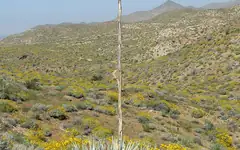 Desert AgaveAgave desertivery low water, Central Valley0.27 gal/sq ft in July
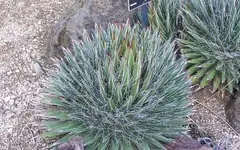 Thread Leaf AgaveAgave filiferavery low water, Central Valley0.27 gal/sq ft in July
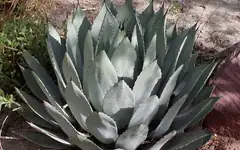 Palmer AgaveAgave palmerivery low water, Central Valley0.27 gal/sq ft in July
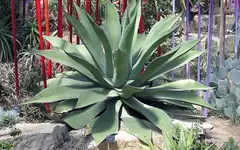 Butterfly AgaveAgave potatorumvery low water, Central Valley0.27 gal/sq ft in July
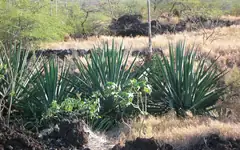 SisalAgave sisalanavery low water, Central Valley0.27 gal/sq ft in July
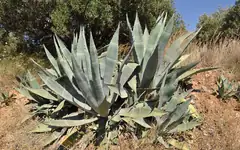 Century PlantAgave spp. & cvs.very low water, Central Valley0.27 gal/sq ft in July
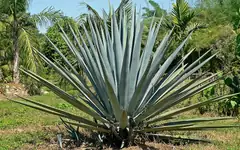 Blue AgaveAgave tequilana & ssp. & cvs.very low water, Central Valley0.27 gal/sq ft in July
Turn this into minutes on your water days
Every city page has a calculator that takes cactus, your sprinkler type and the month, and gives the minutes per water day for that supplier's schedule. Or put it in a zone of the personal watering plan and get all twelve months printed.
Questions people ask
How often should I water cactus in summer?
In July, established cactus in loam needs a deep watering about once a month or less in the Central Valley, about once a month or less on the south coast and about once a month or less in the South Inland zone. Sandy soil holds less water, so waterings come closer together. Clay stretches them. Check the soil before each watering and skip one after a soaking rain.
How much water does cactus need per day?
In July in the Central Valley, established cactus needs about 0.1 gallons a day for a plant 4 feet across and about 0.4 gallons a day for a plant 8 feet across. Give it in deep waterings spread days apart rather than a little every day, so the whole root zone gets wet.
Does watering for cactus change across California?
Yes. WUCOLS rates cactus separately for each of the six California climate zones: very low water in the North-Central Coastal zone, very low water in the Central Valley zone, very low water in the South Coastal zone, very low water in the South Inland zone, very low water in the High and Intermediate Desert zone, very low water in the Low Desert zone. The monthly table above shows how the same rating translates into different gallon amounts as reference evapotranspiration changes.
How do I water a newly planted prickly pear pad?
Let the cut end callus before planting, then set the pad upright and shallow in gritty soil. Keep it dry while it roots using water stored in the pad. Begin light, occasional watering once it has rooted.
Can you overwater a cactus?
Yes. Saturated ground deprives prickly pear roots of air, and rot can spread into the pads. Stop irrigation if soft rot appears and remove affected pads at a joint, allowing the wound to dry.
How should I water indoor prickly pear?
Cool rooms and low light slow water use compared with a sunny patio. Check deeper into the mix before giving an indoor plant another soak. Give a poorly lit plant a brighter position before treating weak growth as thirst.
How do I water cactus seedlings?
Tiny seedlings have little stored water and should not dry as thoroughly as mature pads. Keep gritty seedling mix barely moist, letting its surface dry slightly between applications. Lengthen the dry periods as plants become established.
Is a brown prickly pear base always rot?
No. An older plant can develop firm, dry, gray-brown corky tissue at its base. Soft, wet tissue needs closer inspection, especially after a freeze or a period of saturated soil.
More plant watering guides
Sources
- WUCOLS IV plant water use classification for Opuntia spp. & cvs. (CA natives and non-natives), the University of California survey California agencies use for landscape plan reviewRead August 23, 2026 on wucols.ucdavis.edu
- Model Water Efficient Landscape Ordinance, adopted text and appendices, effective 2025-01-02 · monthly reference evapotranspiration per city, Appendix CRead August 23, 2026 on water.ca.gov/-/media/DWR-Website/Web-Pages/Programs/Water-Use-And-Efficiency/MWELO-Rulemaking/Final-MWELO-Text-and-Appendices_20250103.pdf
- UC Statewide IPM Program, irrigation scheduling using evapotranspirationRead September 30, 2026 on ipm.ucanr.edu/PMG/GARDEN/ENVIRON/evap.html
- Shaw and Pittenger, Landscape Irrigation System Evaluation and Management, UC Cooperative Extension, 2009Read September 30, 2026 on ucanr.edu/sites/default/files/2013-02/160836.pdf
- Pittenger, Water Management in Gardens and Landscapes, UC Riverside, 2017Read September 30, 2026 on ucanr.edu/sites/default/files/2017-03/258022.pdf